Invited Talk: ParliamentSampo framework and Sampo-UI
- Starts at
- Wed, Aug 5, 2026, 11:30 KST
- Finishes at
- Wed, Aug 5, 2026, 12:30 KST
- Venue
- International Conference Hall
- Moderator
- Wirapong Chansanam
Re-using the ParliamentSampo framework and Sampo-UI to publish assembly minutes of the League of Nations (1920-1946), Inter-Parliamentary Union (1889-), and United Nations (1946-), and for Digital Humanities research on the Semantic Web
This presentation shows how the domain-specific “Sampo framework”, here ParliamentSampo for parliamentary speeches and prosopography [1], based on the domain-agnostic Sampo model [2] and Sampo-UI interface model [3-4], can be adapted to new application cases. As an example, our focus here is to show how to publish as a FAIR Linked Open Data (LOD) service the assembly minutes of the League of Nations [5], the predecessor of the United Nations (UN), and to publish next the General Assembly minutes of the UN. As an application on top of the LOD service, the portal League of Nations (1920-1946) Sampo [5] was published on the Web in March 2026. It can be used to answer questions, such as: What have the representatives of Japan talked about? How did the territorial focus of the League of Nations (LoN) shift in time?
In what roles and capacity did Fridtjof Nansen, the Polar explorer, participate in LoN meetings?
More information about the underlying Minutes of Multilateralism initiative:
https://seco.cs.aalto.fi/projects/minutes/
[1] Eero Hyvönen, Laura Sinikallio, Petri Leskinen, Senka Drobac, Rafael Leal, Matti La Mela, Jouni Tuominen, Henna Poikkimäki and Heikki Rantala: Publishing and Using Parliamentary Linked Data on the Semantic Web: ParliamentSampo System for Parliament of Finland. Semantic Web, vol. 16, no. 1, 2025. DOI: 10.3233/SW-243683.
https://journals.sagepub.com/doi/full/10.3233/SW-243683
[2] Eero Hyvönen: Digital Humanities on the Semantic Web: Sampo Model and Portal Series. Semantic Web – Interoperability, Usability, Applicability, vol. 14, no. 4, pp. 729-744, IOS Press, 2023.
https://journals.sagepub.com/doi/full/10.3233/SW-223034
[3] Heikki Rantala, Annastiina Ahola, Esko Ikkala and Eero Hyvönen: How to create easily a data analytic semantic portal on top of a SPARQL endpoint: introducing the configurable Sampo-UI framework. VOILA! 2023 Visualization and Interaction for Ontologies, Linked Data and Knowledge Graphs 2023, pp. 28-39, CEUR Workshop Proceedings, Vol. 3508, October, 2023.
https://ceur-ws.org/Vol-3508/paper3.pdf
[4] Esko Ikkala, Eero Hyvönen, Heikki Rantala and Mikko Koho: Sampo-UI: A Full Stack JavaScript Framework for Developing Semantic Portal User Interfaces. Semantic Web – Interoperability, Usability, Applicability, vol. 13, no. 1, pp. 69-84, January, 2022. https://journals.sagepub.com/doi/full/10.3233/SW-210428
[5] Petri Leskinen, Eero Hyvönen, Alexandre Lionnet, Blandine Blukacz-Louisfert, Pierre-Etienne Bourneuf, Davide Rodogno, Grégoire Mallard, and Florian Cafiero: A Linked Open Data Service and Semantic Portal to Study the Assembly Minutes and Prosopography of the League of Nations (1920–1946). The Semantic Web: ESWC 2026, Dubrovnik, Croatia, May 10 - 14, 2026, Proceedings, Springer-Verlag, 2026. In press.
https://seco.cs.aalto.fi/publications/2026/leskinen-et-al-lon-2026.pdf
-
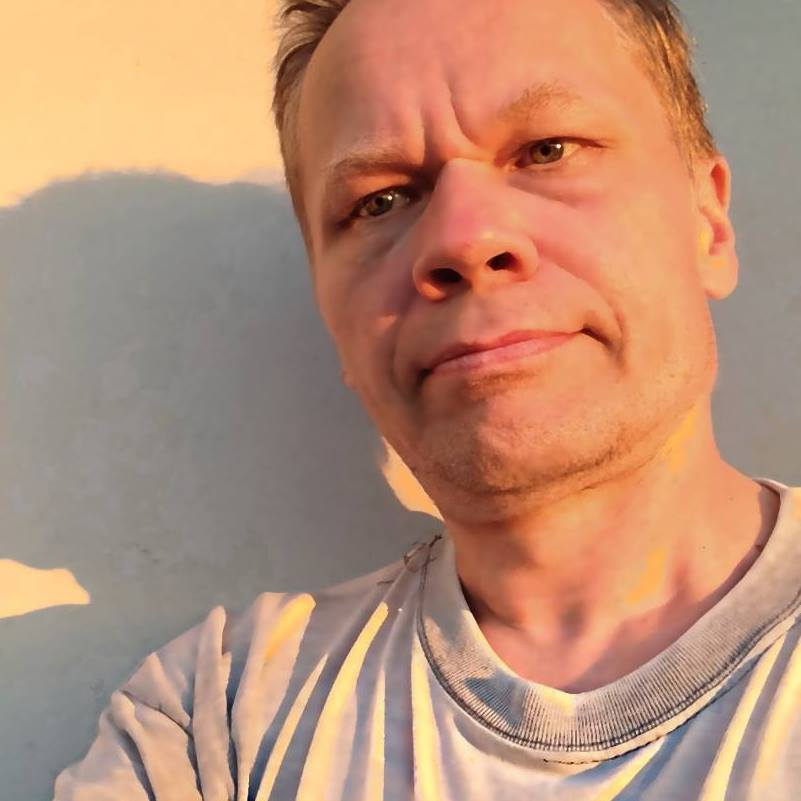
Petri Leskinen
postdoctoral researcher
University of Helsinki
Petri Leskinen is a postdoctoral researcher at the University of Helsinki and the Geneva Graduate Institute. He completed his doctoral dissertation in 2024 on biographical data and data analysis. His research focuses on biographical data, cultural heritage knowledge graphs, prosopography, and linked open data infrastructures for digital humanities. He has been one of the main engineers in developing systems such as SampoSampo, LetterSampo, and ParliamentSampo to support data-intensive historical research. -
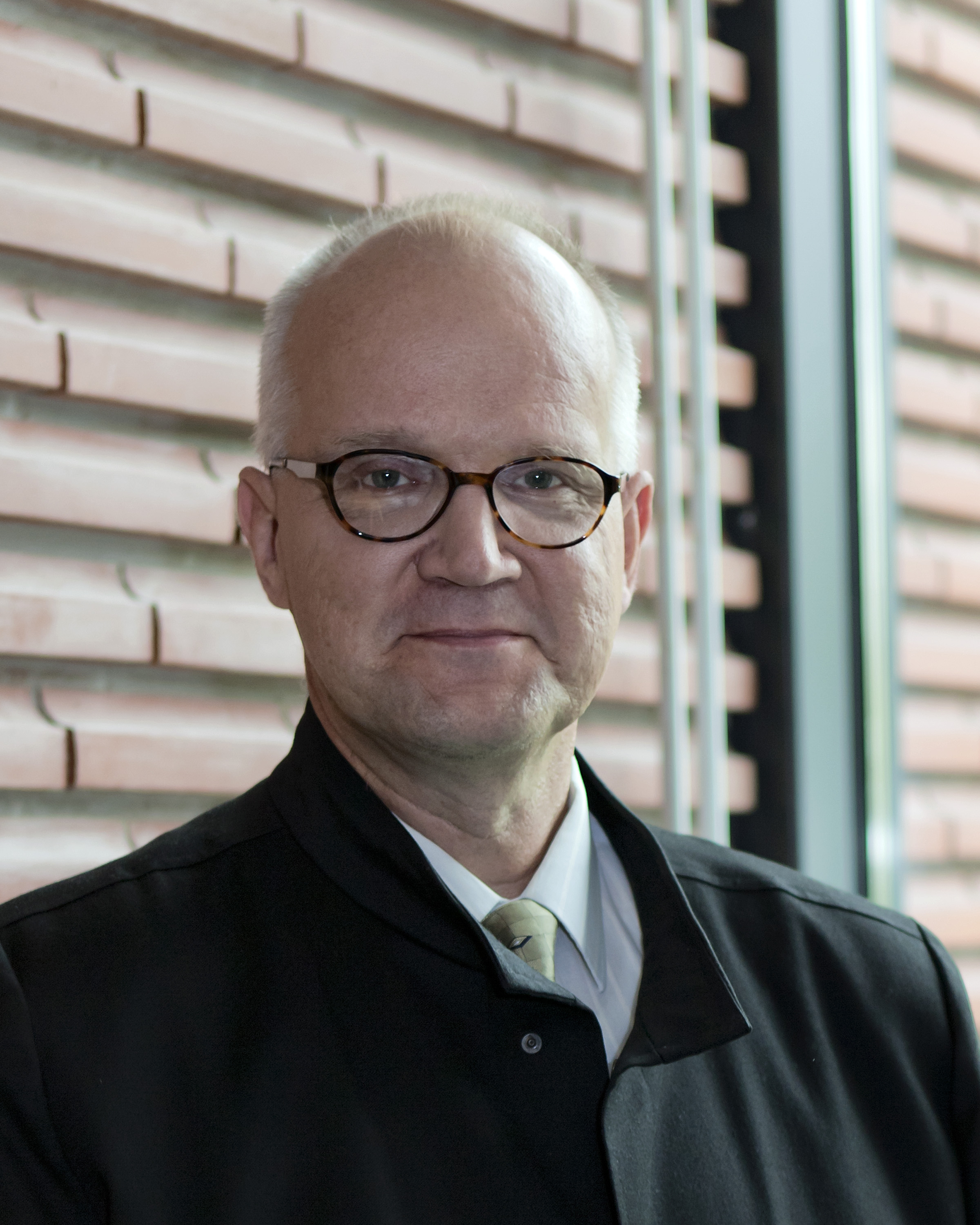
Eero Hyvönen
Professor
Aalto University and University of Helsinki, FInland; Geneva Graduate Insititute, Switzerland
Eero Hyvönen (https://seco.cs.aalto.fi/u/eahyvone/) is professor (emer.) of computer science at the Aalto University and director of Helsinki Centre for Digital Humanities (HELDIG) (emer.) at the University of Helsinki. His research has focused since 2001 on developing the national semantic web infrastructure in Finland and its applications for Digital Humanities research.

Moderator
-
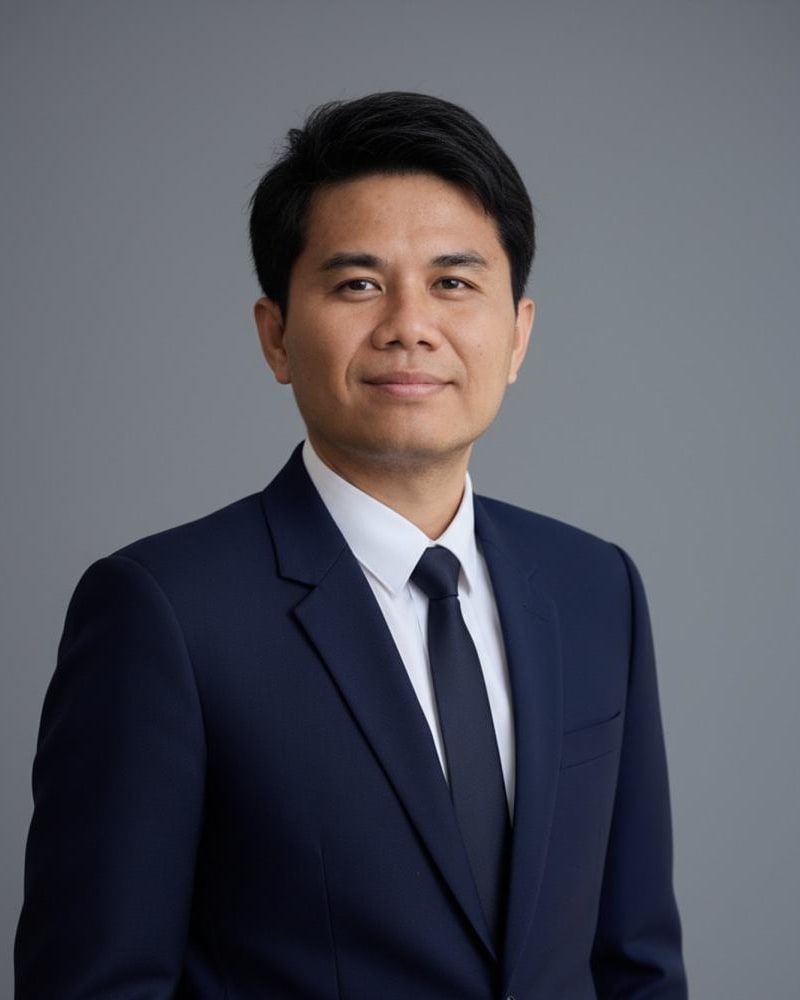
Wirapong Chansanam
Khon Kaen University
Wirapong Chansanam is an Associate Professor of Information Science at Khon Kaen University, Thailand. He earned his Ph.D. in Information Science in 2014 and currently serves as Head of the Information Science Department and Chair of the Digital Humanities Research Group. His research focuses on information science, ontology, knowledge organization systems, linked open data, and data analytics. He actively contributes to advancing digital knowledge management and innovation.
Hosted by