Invited Talk: Cultural Heritage knowledge graphs
- Starts at
- Tue, Aug 4, 2026, 17:00 KST
- Finishes at
- Tue, Aug 4, 2026, 18:00 KST
- Venue
- Large Lecture Room
- Moderator
- Avshalom Elmalech
How to use a cloud of Cultural Heritage knowledge graphs in Digital Humanities research: SampoSampo - Connecting Everything to Everything Else
Linked Open Data (LOD) can be published on the Semantic Web as semantic mark-up embedded in HTML documents or as Knowledge Graphs (KG) in SPARQL endpoints, on top of which applications are developed. KGs typically share the same entities, such as persons, organizations, and places, which means that the data in different KGs about the entities can complement (enrich) or contradict each other, if only we knew what entities are the same in different KGs. For this purpose, entity alignment systems are needed. Examples of such systems include, e.g., the Virtual Authority File VIAF.org of national libraries around the world, the international Linked Open Data Cloud, Linked Open Vocabularies (LOV), and Europeana. This talk presents a new data alignment service and semantic portal "SampoSampo - Connecting Everything to Everything Else" implemented on top of a cloud of 26 related Cultural Heritage (CH) KGs and systems in different CH domains, including biographies, genealogy, fiction literature, historical letters, art, military history, parliamentary discussions, and historical opera performances. The novelty of SampoSampo is to show in practise how a data alignment system can be used for five practical use-cases in Digital Humanities research (DH): 1) Using a LOD alignment service to enrich data in other Cultural Heritage LOD services and applications. 2) Providing global search, browsing, and data-analytic tools over a cloud of KGs. 3) Searching and checking data quality issues based on a cloud of KGs. 4) AI-based knowledge discovery in a LOD cloud based on relational search and Large Language Models. 5) Enhancing data literacy by data-analyses over a KG cloud. SampoSampo was published openly on the Semantic Web in January 2026.
-
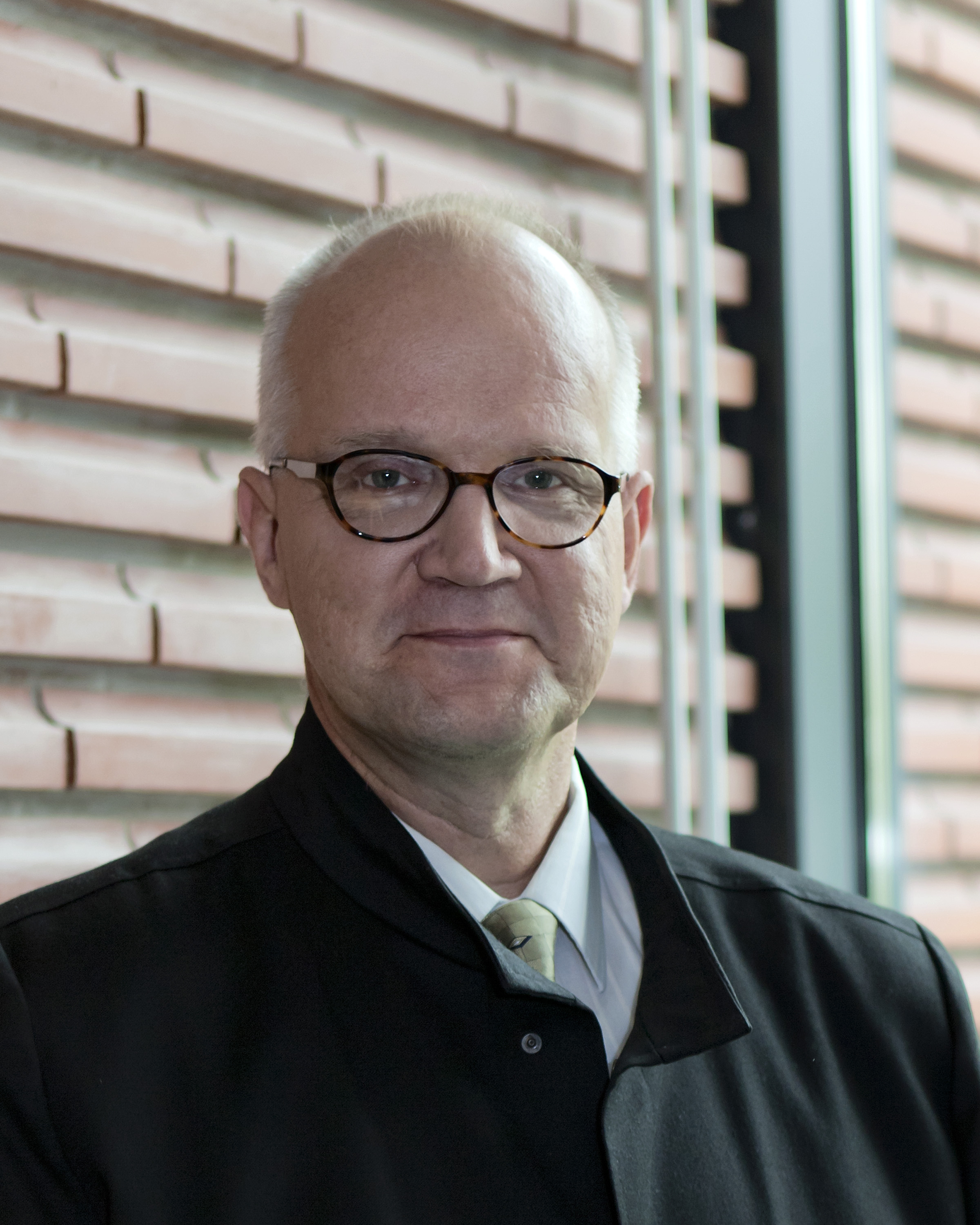
Eero Hyvönen
Professor
Aalto University and University of Helsinki, FInland; Geneva Graduate Insititute, Switzerland
Eero Hyvönen (https://seco.cs.aalto.fi/u/eahyvone/) is professor (emer.) of computer science at the Aalto University and director of Helsinki Centre for Digital Humanities (HELDIG) (emer.) at the University of Helsinki. His research has focused since 2001 on developing the national semantic web infrastructure in Finland and its applications for Digital Humanities research.

Moderator
-
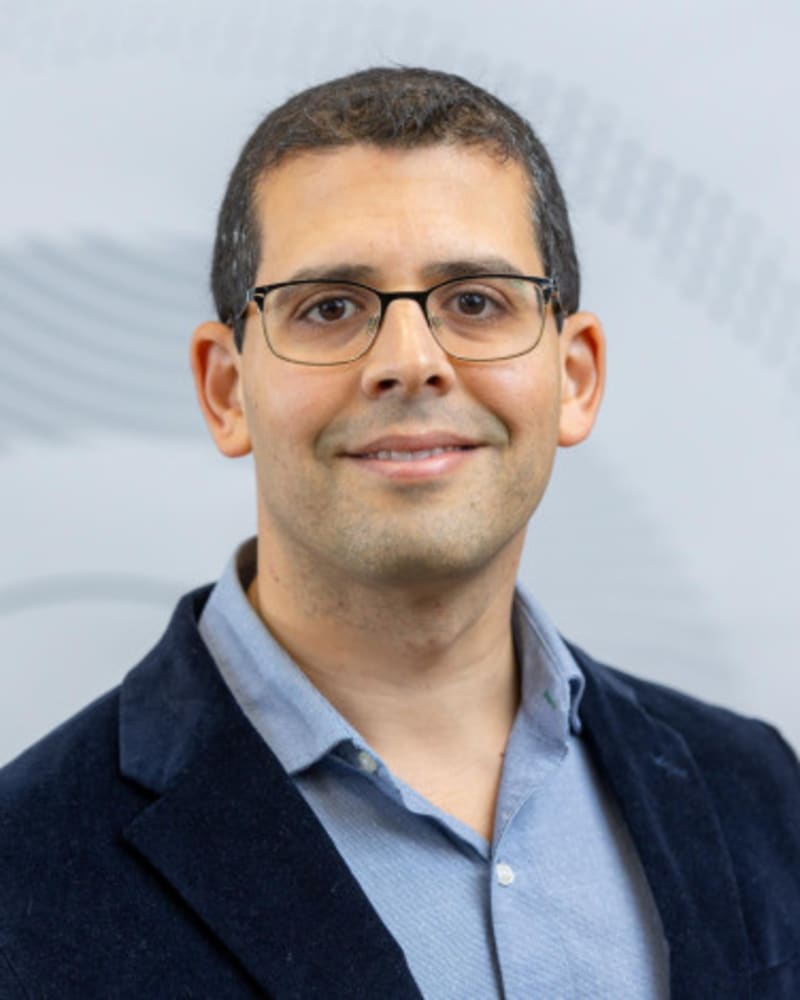
Avshalom Elmalech
Bar-Ilan University
Avshalom Elmalech is a researcher at Bar-Ilan University with a PhD in Computer Science, working at the intersection of applied artificial intelligence and digital humanities. His research bridges information science and AI by examining how deep learning methods can be effectively applied to humanities data. He has contributed practical frameworks for guiding digital humanities scholars in choosing and adapting NLP and deep learning approaches under constraints such as limited training data and domain specificity.
Hosted by