Keynote panel
- Starts at
- Wed, Aug 5, 2026, 09:00 KST
- Finishes at
- Wed, Aug 5, 2026, 10:00 KST
- Venue
- International Conference Hall
- Moderator
- Dan Albertson
Reuse of contextual attribution across metadata standards
Before the Web arrived in 1994, metadata was about physical items, collected in buildings; catalog records captured information from their title pages and summaries of their aboutness. Machine-readable representations in formats such as XML and MARC specified the structure of those records as documents. Since the 2000s, metadata is increasingly expressed in RDF, a language for making simple statements about things in the world in a uniform structure that machines can use to more easily merge data from multiple sources.
This talk focuses on the deceptively simple problem of describing, in metadata, the role and affiliation of people who contributed to creating scholarly resources such as this conference talk. The simplicity of the task is deceptive because the affiliation and role of a given contributor is specific to the creation of one specific resource and should ideally be distinguishable from less contextually-bound information such as names and ORCIDs. XML and MARC formats record role and affiliation in forms that require detailed document schemas to extract. RDF descriptions are independent of specific record structures but may follow expressive styles ranging from the very simple and flat (eg, Dublin Core) to the very complex and expressive (BIBFRAME). A new DCMI Scholarly Resources Application Profile (SRAP) lies in the middle of this spectrum from flat to nested. SRAP mirrors descriptive patterns that have been re-invented across several modern standards. Tools and formalisms today can bridge differences of models and granularity to enable practical interoperability in a complex world where no "one best way" will ever meet all requirements.
-

Tom Baker
Technology Director
DCMI
Tom Baker has worked on Semantic Web standards since the 1990s. He helped organize DCMI, currently serving as its Technology Director and Usage Board co-chair, and co-chaired the W3C working group for SKOS. After earning a Stanford PhD in 1989, he worked as a researcher in Italy and Germany (GMD, Fraunhofer, Göttingen). He has taught at AIT Bangkok and Sungkyunkwan University Seoul, and has managed agricultural data projects with FAO, CABI, and currently the USDA National Agricultural Library.https://orcid.org/0000-0003-3741-6977 -
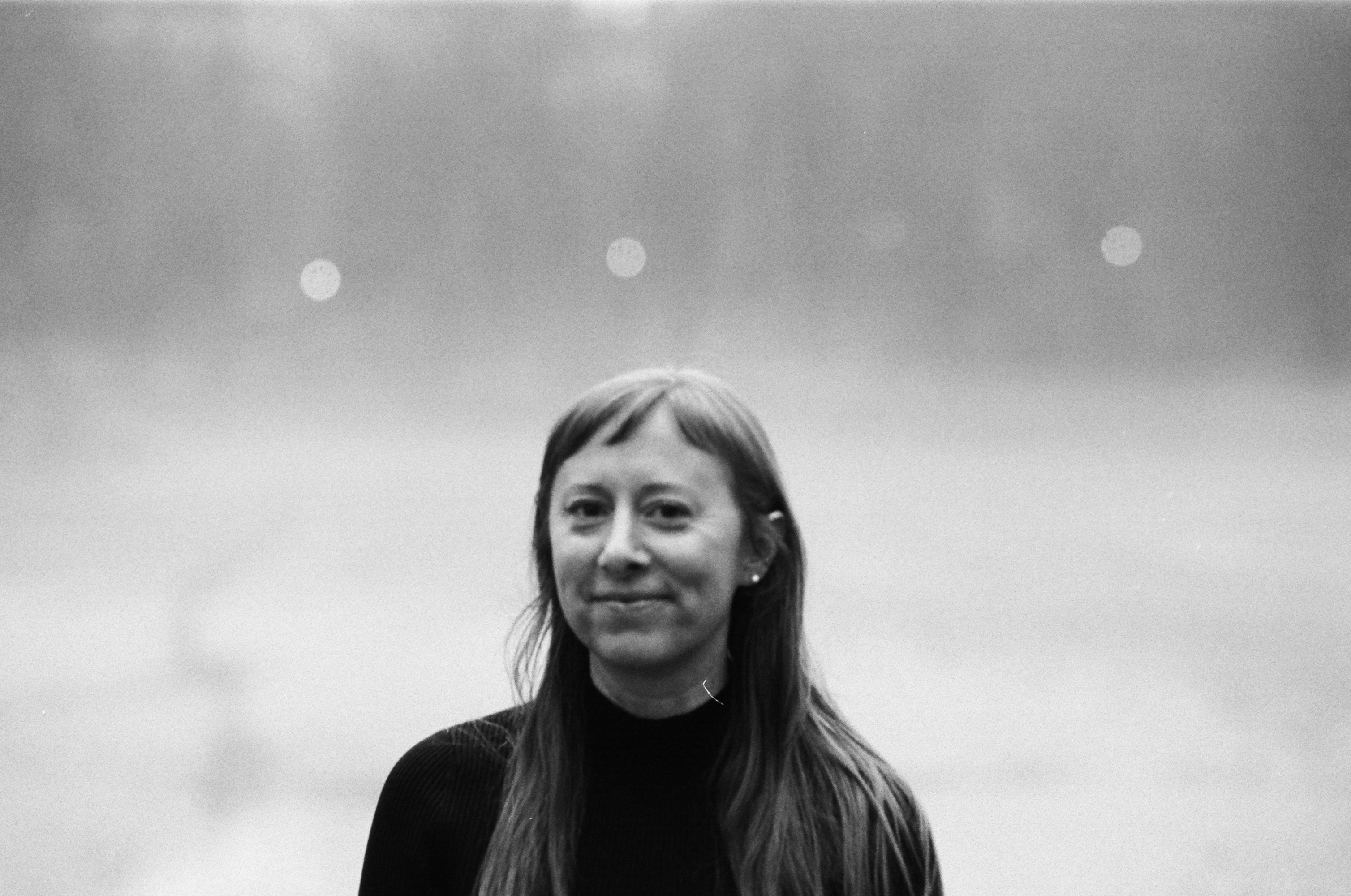
Kalliopi Mathios
Authorities & Entity Management Librarian
Stanford University
Kalliopi Mathios is the Authorities & Entity Management Librarian at Stanford University, where she advances linked open data initiatives within Stanford Libraries. She is the Product Owner and Project Manager for the Sinopia linked data editor and the Blue Core project. She serves as Co-Convener of the PCC Sinopia Cataloging Affinity Group and FOLIO Linked Open Data Special Interest Group, is Past Chair of the LD4 Steering Committee, and Chair of the BIBFRAME Interoperability Group (BIG).

Moderator
-
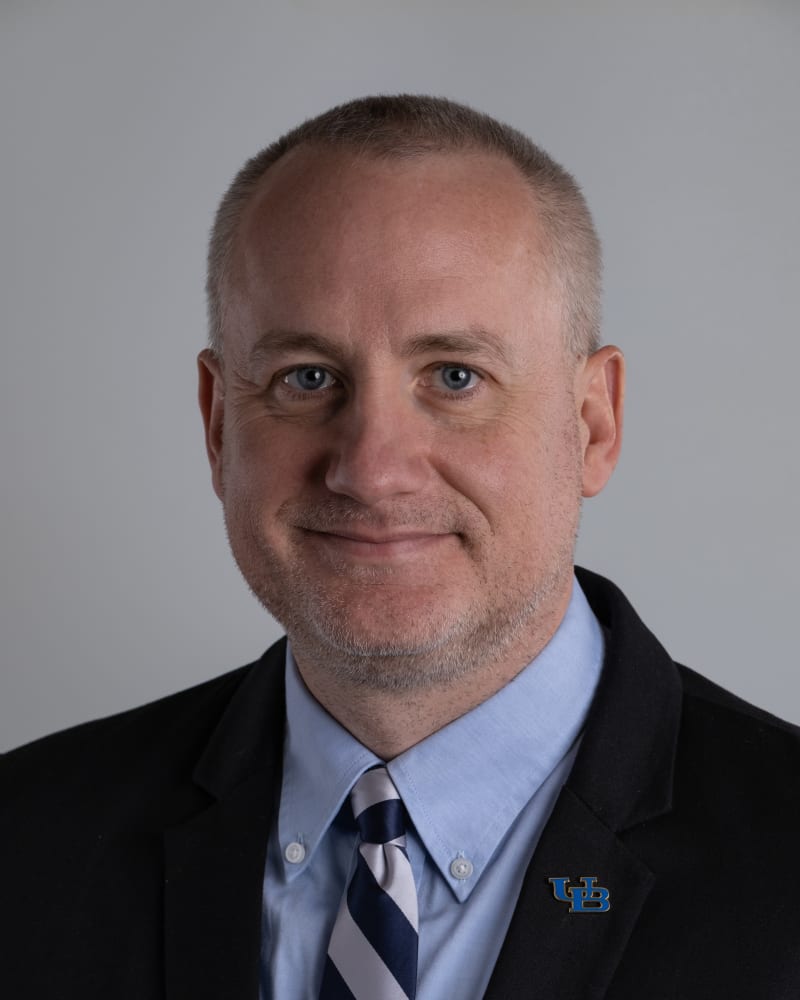
Dan Albertson
Department of Information Science, University at Buffalo, The State University of New York
Dan Albertson is a Professor at the University at Buffalo where he also serves as the Chair of the Department of Information Science. Interactive video retrieval has been his primary research area. Some of his research projects have examined: user interaction with video digital libraries, human factors affecting interactive video retrieval, user-centered digital video curation, and video and visual information seeking.
Hosted by