Workshops
Introduction to BIBFRAME Cataloging with Sinopia
This hands-on workshop introduces participants to BIBFRAME cataloging using Sinopia, an open-source linked data editor. Designed for beginners with little to no experience using Sinopia, this session will guide participants through the platform's interface and demonstrate how to create bibliographic descriptions in BIBFRAME. Topics covered will include navigating Sinopia's layout and features, creating and linking Instance and Work descriptions, utilizing BCL-UP lookups (pronounced "buckle up", formerly known as the Questioning Authority service) to enhance cataloging, exploring options for completed descriptions, and connecting with the Sinopia user community for ongoing support. No prior experience with Sinopia is required, though a basic understanding of cataloging concepts will be helpful. Participants are asked to create a free account at Sinopia Stage (stage.sinopia.io) prior to the session if they do not already have one, as this will enable them to follow along with hands-on exercises during the workshop. Whether exploring linked data cataloging for the first time or looking to expand metadata skills, attendees will gain foundational knowledge to begin BIBFRAME cataloging in Sinopia.
-

Kalliopi Mathios
Authorities & Entity Management Librarian
Stanford University
Kalliopi Mathios is the Authorities & Entity Management Librarian at Stanford University, where she advances linked open data initiatives within Stanford Libraries. She is the Product Owner and Project Manager for the Sinopia linked data editor and the Blue Core project. She serves as Co-Convener of the PCC Sinopia Cataloging Affinity Group and FOLIO Linked Open Data Special Interest Group, is Past Chair of the LD4 Steering Committee, and Chair of the BIBFRAME Interoperability Group (BIG). -
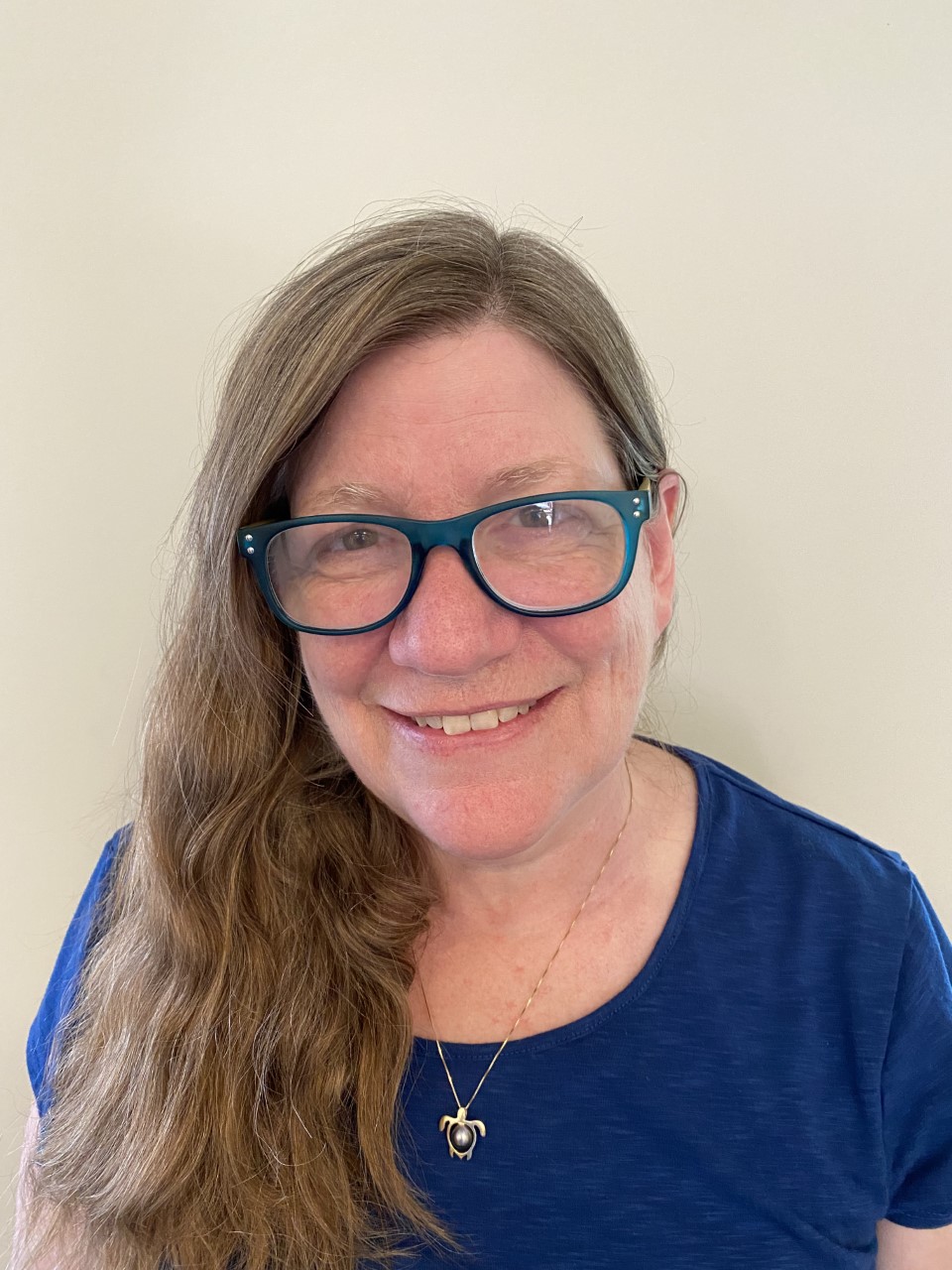
Nancy Lorimer
Associate Director, Metadata Services
Stanford University Libraries
Nancy Lorimer, Associate Director for Metadata Services at Stanford University specializes in BIBFRAME, metadata standards and ontologies. A former music cataloger, she led the development of a BIBFRAME extension for performed music, now being integrated BF proper. She is Chair of the PCC Metadata Application Profiles Working Group, which is responsible for development of BF and RDA application profiles for use by members, chair of the Share VDE Entity Working Group, a member of the BIBFRAME Interoperability Group. Currently she is working on BF metadata workflows for the Blue Core project.

Wikidata for Open Innovation in Libraries, Industry, and Communities
Wikidata is an open, multilingual structured knowledge base that can be read and edited by both humans and machines and is made by people like you. Digital assistants like Siri and Alexa use Wikidata, as do search engines like Google. You can think of Wikidata as a database of databases, linking items through identifiers. This creates a centralized location of information about anything and everything: from the universe to the pika, love and the Chicago-style hot dog. With over 114,683,910 data items, there’s likely to be an item for your favorite band, and your birthplace. In this workshop, participants will gain hands-on editing experience following an introduction to Wikidata, live demo and overview of its impact across domains: in libraries, research, museums, industry, and open knowledge communities.
-
Kalliopi Mathios
Authorities & Entity Management Librarian
Stanford University
Kalliopi Mathios is the Authorities & Entity Management Librarian at Stanford University, where she advances linked open data initiatives within Stanford Libraries. She is the Product Owner and Project Manager for the Sinopia linked data editor and the Blue Core project. She serves as Co-Convener of the PCC Sinopia Cataloging Affinity Group and FOLIO Linked Open Data Special Interest Group, is Past Chair of the LD4 Steering Committee, and Chair of the BIBFRAME Interoperability Group (BIG).
Worldview, Experience, and Metadata: Operationalizing Integrative Levels for Transdisciplinary Knowledge Systems
This workshop explores how worldview, lived experience, and definitional assumptions shape metadata, classification systems, and transdisciplinary research interoperability. Under the theme of meaning-driven AI, the session examines how metadata can encode human values, cultural context, and experiential knowledge to improve alignment, transparency, and bias mitigation in AI systems.
Across disciplines, concepts such as consciousness, intelligence, and agency are inconsistently defined and often anthropocentric, contributing to fragmentation in knowledge organization. Rather than advancing a fixed definition, this workshop focuses on how definitional variation affects classification outcomes. Participants will engage in real-time exercises to map their perspectives, translate them into metadata tags, and observe how bias emerges structurally in categorization systems.
The workshop integrates worldview mapping, media literacy principles, and scenario-based group decision-making, including a survival simulation exercise to compare individual and collective classification behavior. Drawing on an operational framework and longitudinal human–AI interaction data, the session demonstrates how embedding worldview-aware inputs into metadata systems can support more adaptive, human-centered, and interoperable knowledge infrastructures.
This approach contributes to meaning-driven AI by providing practical methods for aligning metadata systems with human values across domains.
-

Elizabeth Stangenberg
Independent Researcher
Unaffiliated
Elizabeth Stangenberg is a transdisciplinary researcher and systems designer with over 14 years of experience in operations, transformation, and project management across complex, multi-stakeholder environments. Her research sits at the intersection of knowledge organization, AI alignment, data literacy, and the development of standards that reflect the diversity of human experience. She is the founder of CoEntangle, an open science initiative building ethical, interoperable, and human-centered frameworks for research and AI systems.
Hosted by