Student Forum
Art of Tea - A Semantic Digital Library for the Interdisciplinary Research of Tea
Authors: Ilaria De Dominicis, Regina Manyara, Shiho Nakamura
-
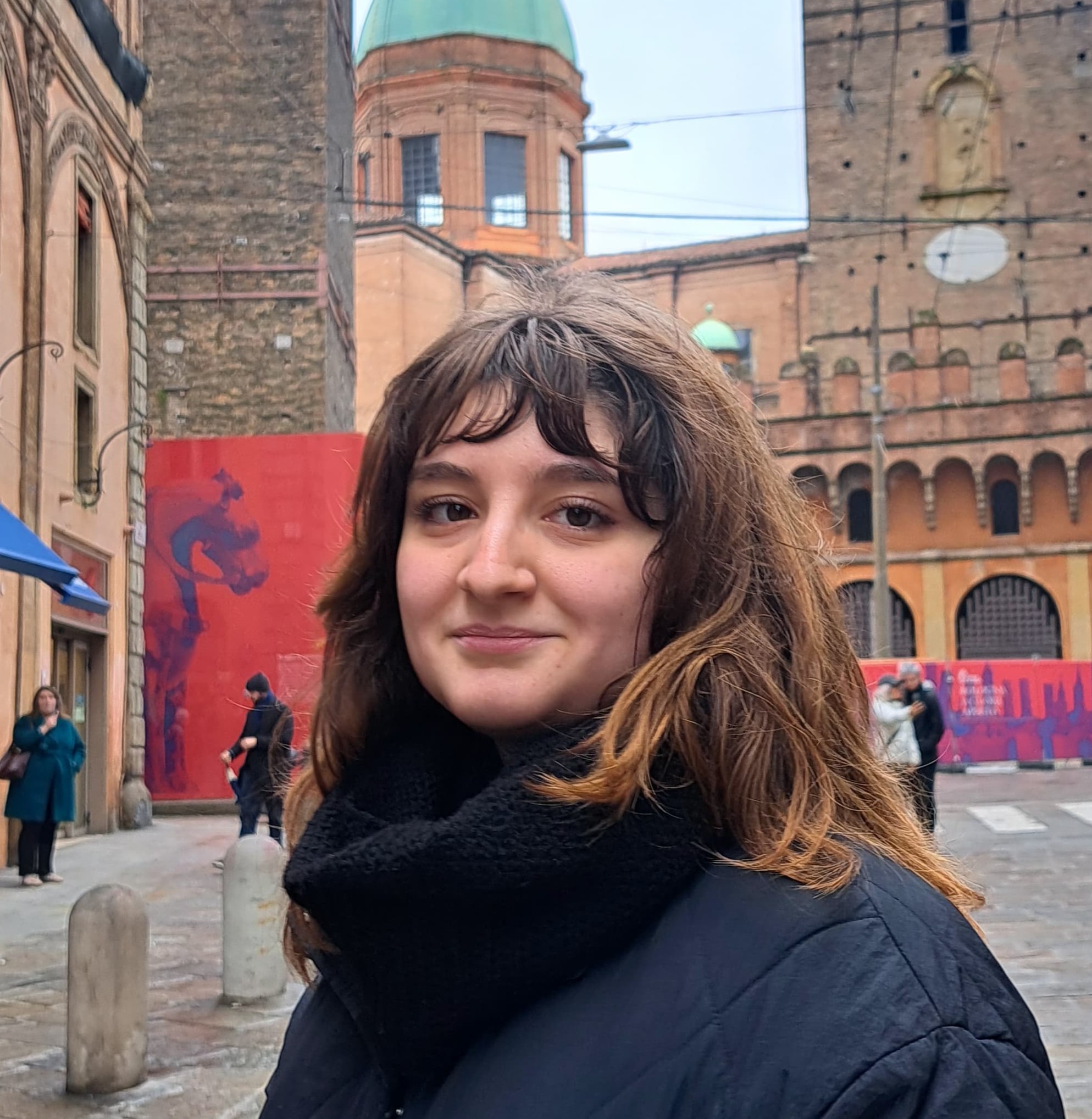
Ilaria De Dominicis
Master's Student in Digital Humanities and Digital Knowledge
University of Bologna
Ilaria De Dominicis is a second-year master's student in Digital Humanities and Digital Knowledge at the University of Bologna, working on semantic metadata and knowledge representation for cultural heritage collections. She holds a bachelor's degree in Modern Literature, with a thesis in Romance Philology on the troubadours' poetic-musical heritage. Since 2017, she has also played harp, spinet, and dulcimer in TrotulÆnsemble, a medieval music ensemble performing on replicas of historical instruments. -

Regina W. K. Manyara
University of Bologna
Regina Manyara is a student from Kenya, currently completing a master’s degree in Digital Humanities and Digital Knowledge at the University of Bologna. It was her passion for digital culture, and particularly fan culture, which led her towards this field of study. Being part of the anime community both online and offline, Regina is fascinated by how these communities create and share knowledge in the digital space. This is ultimately what has inspires her research throughout her studies. -
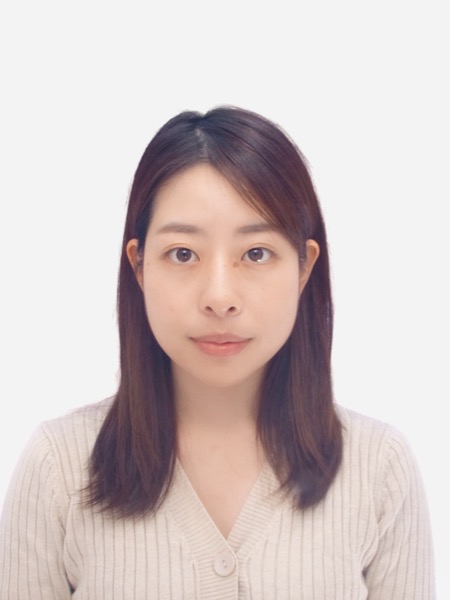
Shiho Nakamura
University of Bologna
Shiho Nakamura is a Master's student in Digital Humanities and Digital Knowledge at the University of Bologna, Italy. Her research interests include knowledge organization and representation, metadata interoperability, cultural heritage information management, data science, data visualization, and open science. She explores the application of ontologies, knowledge graphs, and AI-based methods to cultural heritage resources, internet culture, and historical texts.

Authority Data as Context-Bearing Entities in Bibliographic Ontology Environments
-
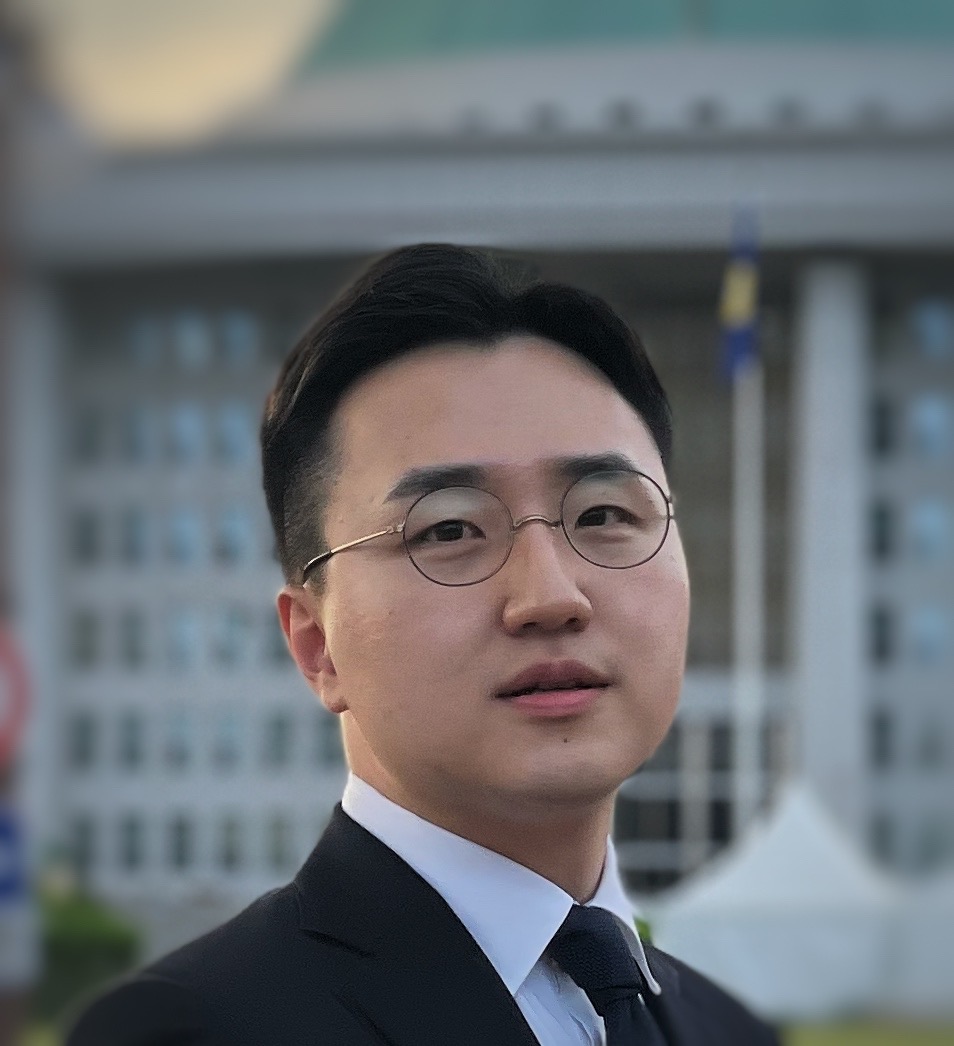
Seunghui Lee
PhD Student
Chung-Ang University
Seunghui Lee is a PhD student in Knowledge Organization at Chung-Ang University in Seoul, South Korea. He has worked as a librarian at the National Library of Korea. His research interests include knowledge organization, metadata, and bibliographic ontology. He focuses on how knowledge organization systems (KOSs) reflect the ways in which society organizes and shares knowledge, seeking to bridge theoretical inquiry and practical implementation.
Exploring How Korean-Language Speakers Search for Korean-Language Materials and the Potential Role of AI in Cataloguing Materials in Non-Roman Scripts
-
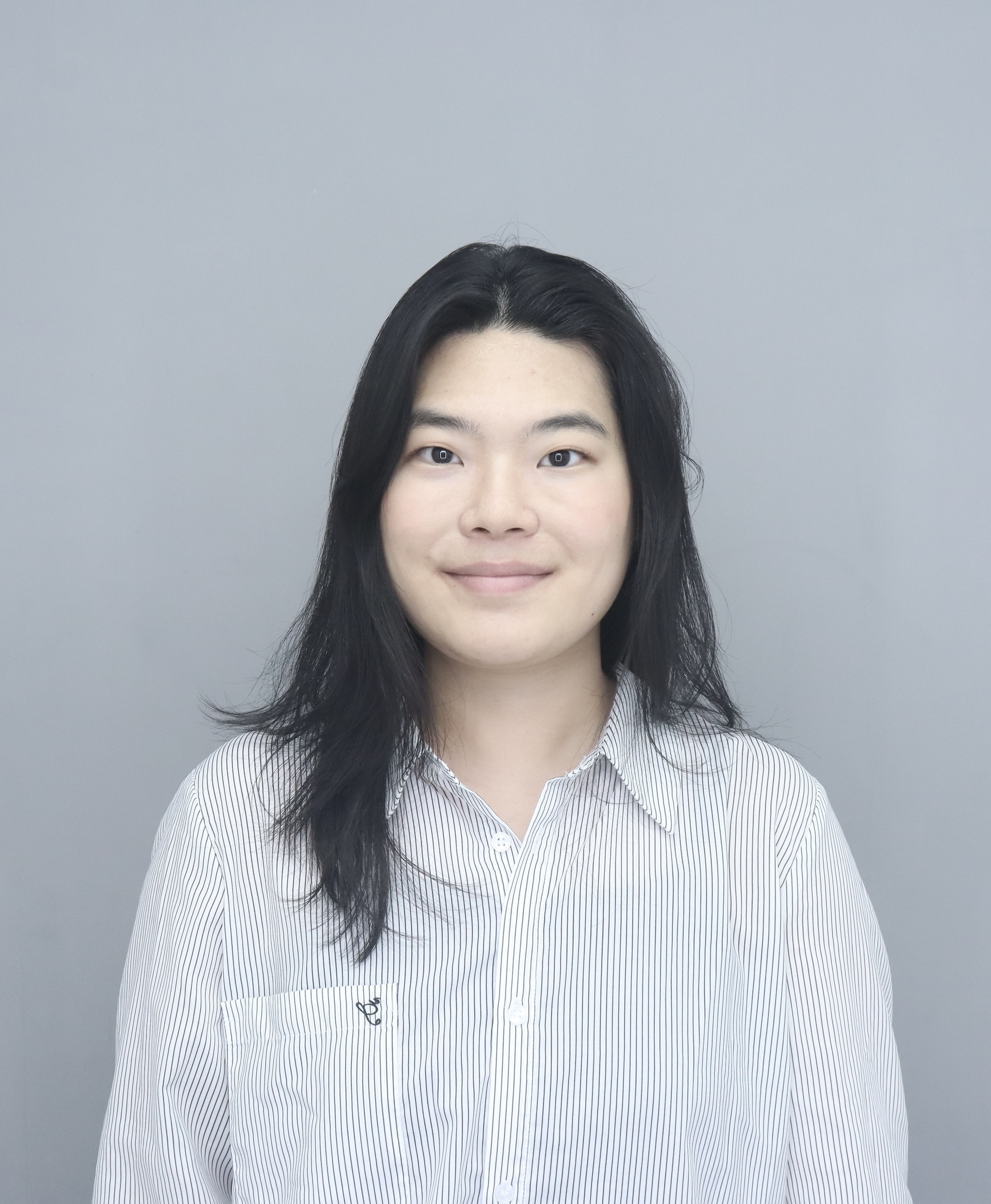
Rinna Kim
University of Toronto
Rinna Kim is a Master of Information (Library and Information Science) candidate at the University of Toronto. She holds a bachelor’s degree in Library and Information Science and History and Culture from Sookmyung Women’s University. She is particularly interested in how library users search for multilingual materials, the challenges they encounter, and ways to improve access. She is a Research Assistant on the Asian Parents Participatory Action project at the Factor-Inwentash Faculty of Social Work, University of Toronto.
From Genre Categorization to User Discovery: Knowledge Organization of Online Comic Platforms in Taiwan
-
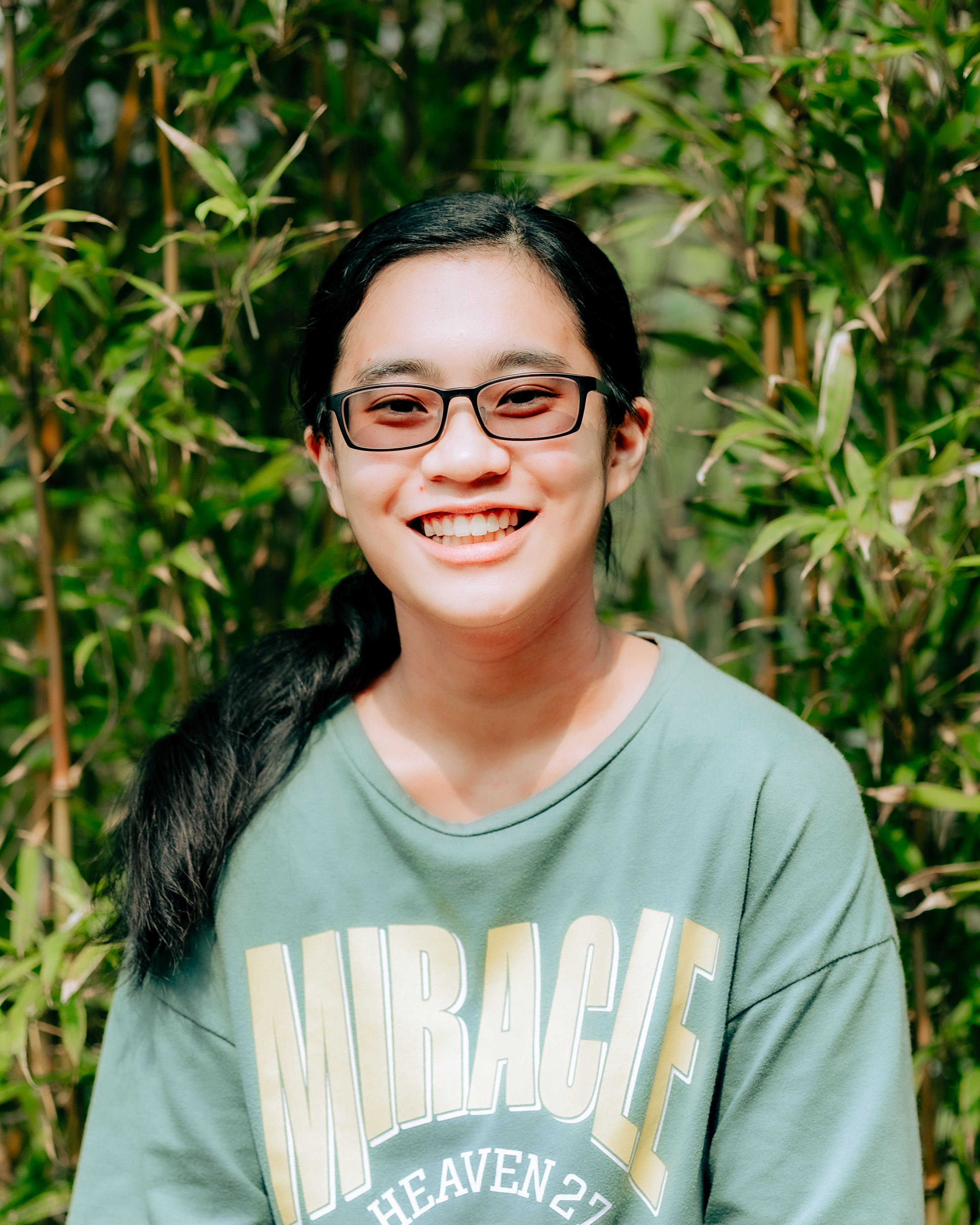
Tzu-Yun Chien
National Taiwan University
Tzu-Yun Chien is a Master’s student in the Department of Library and Information Science at National Taiwan University. Her research interest focusing on human–computer interaction and information behavior. Her prior research on user behaviors in AI-assisted tasks has been published as a full conference paper. Her ongoing master's thesis focuses on the differences between existing genre categorization frameworks, platform labeling practices, and user interpretations within online comics.
Korean E-Book Metadata Enhancement & Withdrawal Project: Promoting Digital Collections & Environmental Sustainability
Authors: Donghyun Kim
-
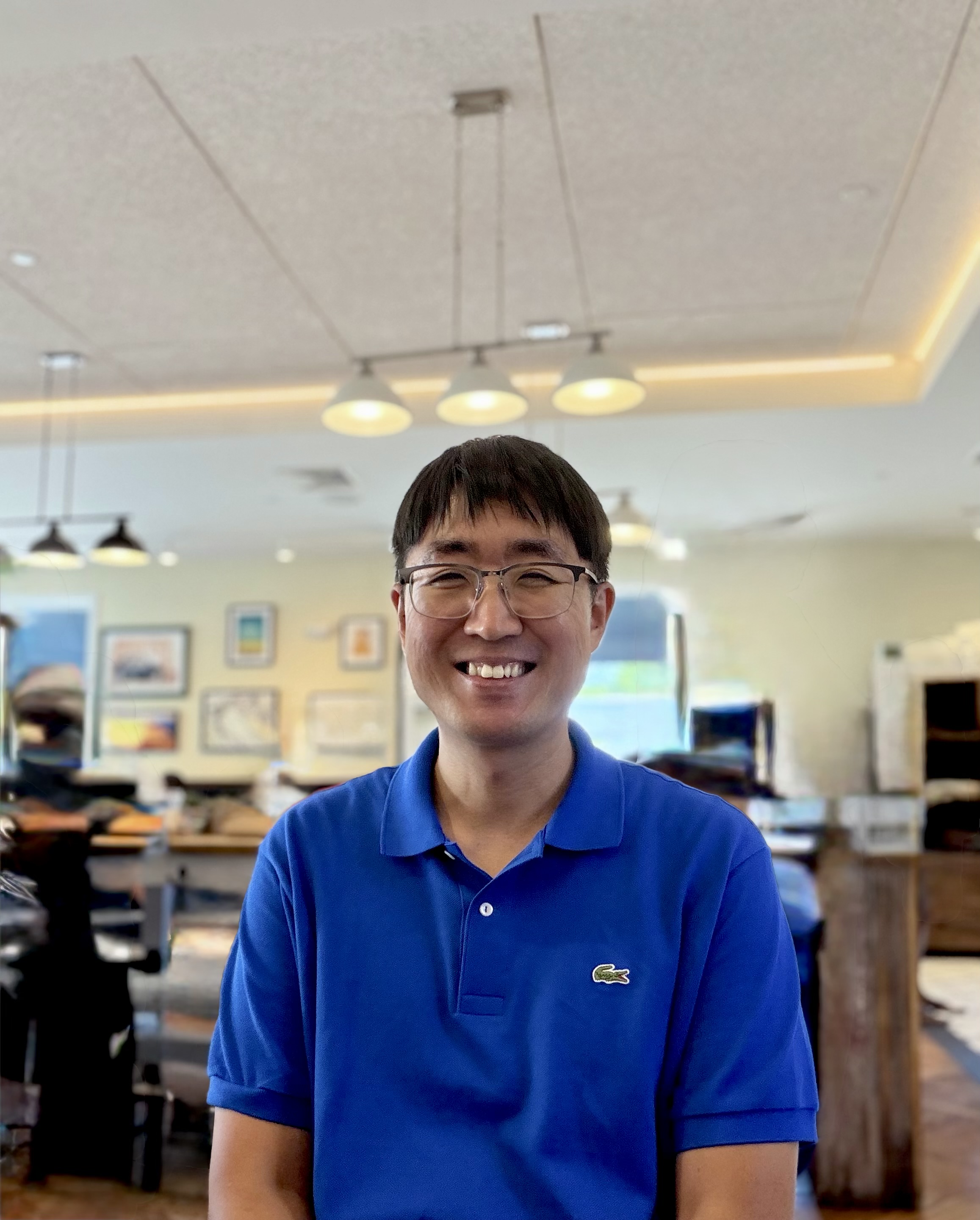
Donghyun Kim
LIS Student
University of Hawaiʻi at Mānoa
Donghyun Kim is a master’s student in the Library and Information Science program at the University of Hawaiʻi at Mānoa. Before joining the program, he worked as a theater director for seven years in South Korea. He currently works at the Center for Korean Studies as a Graduate Assistant, where he preserves archival materials and provides technical assistance in appropriate cultural protocols and professional expertise. He pursues academic librarianship specializing in cataloging and metadata, who advocates for access and equity with inclusive library technologies.
Modeling Bibliographic Uncertainty in Korean Rare Books Using RDF-Star
-
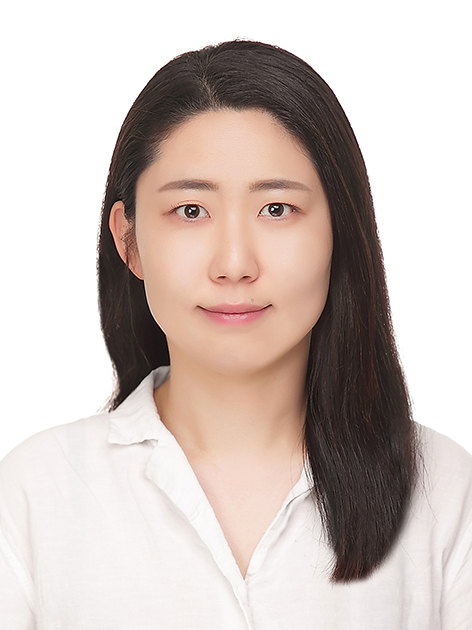
Inyoung Jung
Kyungpook National University
I am a student at Kyungpook National University in South Korea, focusing on metadata for Korean rare books and cultural heritage materials. My previous work includes studies on archival metadata, cataloging of clan-held collections, and comparative analysis of rare book cataloging rules. I am currently researching practical cataloging workflows for Korean rare books, with a strong interest in how metadata standards and linked data technologies can better represent the complexity and uncertainty inherent in historical bibliographic records.
Multi-Dimensional Evaluation of Semantic Retrieval Adequacy in a Neuro-Symbolic Heritage Knowledge Graph
Authors: Nuria Ferran-Ferrer, Miquel Centelles, Matheus Jenevain
-
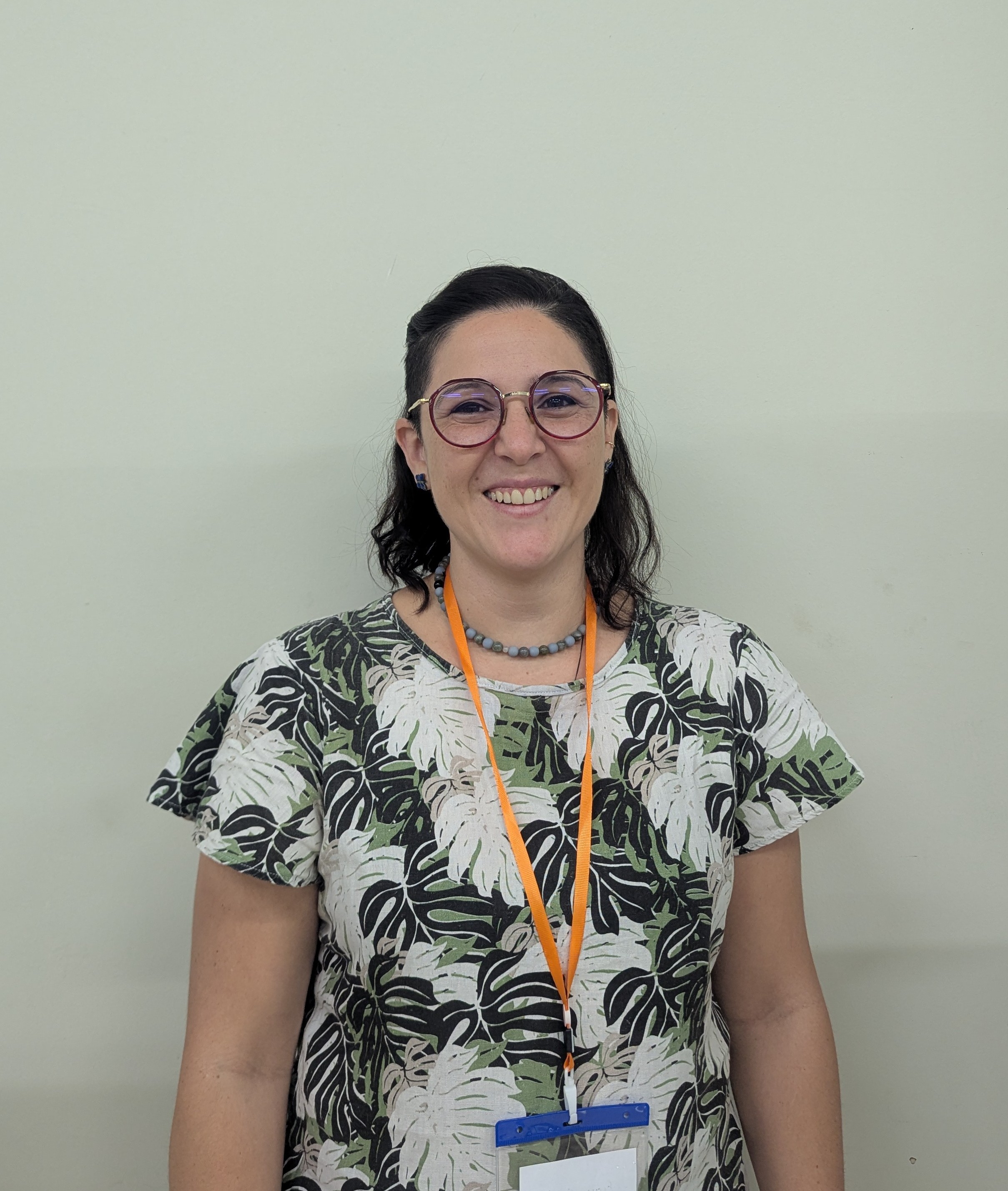
Elena María Gómez Rico
Predoctoral student
Universitat de Barcelona
Elena M. Gómez-Rico is a predoctoral researcher in Information and Communication at the Universitat de Barcelona (HerStory NeSy AI, PID2023-147673OB-I00). She holds degrees in Product Design Engineering and Humanistic Studies (EAFIT, Colombia) and an Official Master’s in Digital Humanities (UB). Her thesis develops participatory, user-centred information architectures and neurosymbolic AI for digital historical archives, addressing epistemic justice and gendered representation in GLAM. She has published on design pedagogy, machine-mediated content and public science communication.
Student Forum Introduction and Schedule
Authors: Ying-Hsang Liu
-
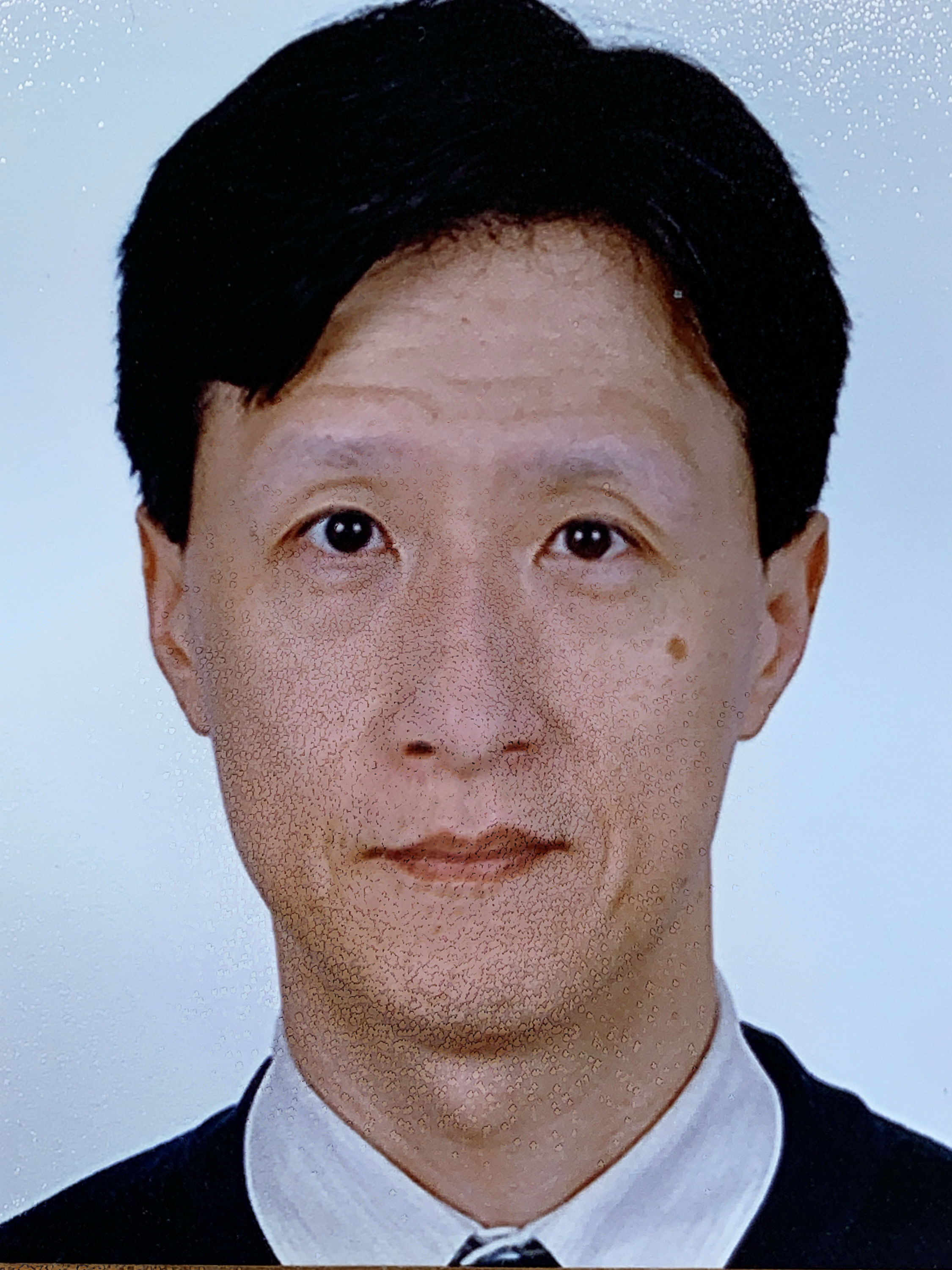
Ying-Hsang Liu
Researcher
Chemnitz University of Technology
Ying-Hsang Liu is a researcher at the Professorship of Predictive Analytics at Chemnitz University of Technology (Germany) and Director of the Dublin Core Academy. He holds a PhD in Information Science from Rutgers University (USA). He has held positions at seven universities across five countries, including the USA, Australia, Denmark, Norway and Sweden. His research interests include human-centred data science, information retrieval, knowledge organisation and human information behaviour, with a particular emphasis on the design and evaluation of AI-based systems.