Short Papers
A Study on Extending Metadata in the School Library DLS in South Korea
-
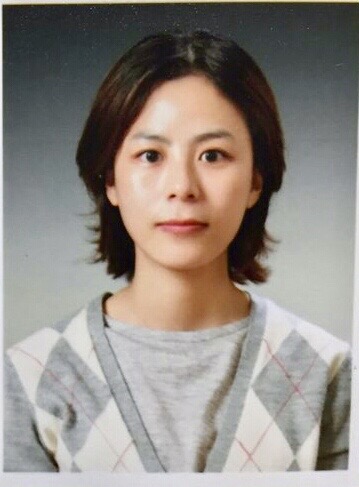
Bolan Kim
Ph.D. Student, Chung-Ang University
Chung-Ang University
Bolan Kim is a Ph.D. student in the Department of Library and Information Science at Chung-Ang University in Seoul, South Korea, specializing in Knowledge Organization. She also serves as a school librarian. Her research interests focus on metadata re-architecture for school library collections and the organization of resource metadata to support teaching and learning activities. Currently, she is conducting research on metadata systems for digital school libraries to contribute to the advancement of library and information science.
Equitable Metadata for Diverse Voices: Sustainable Computational Poetry Analysis with HathiTrust Extracted Features
Authors: Kahyun Choi, You Peng, Gyuri Kang
-
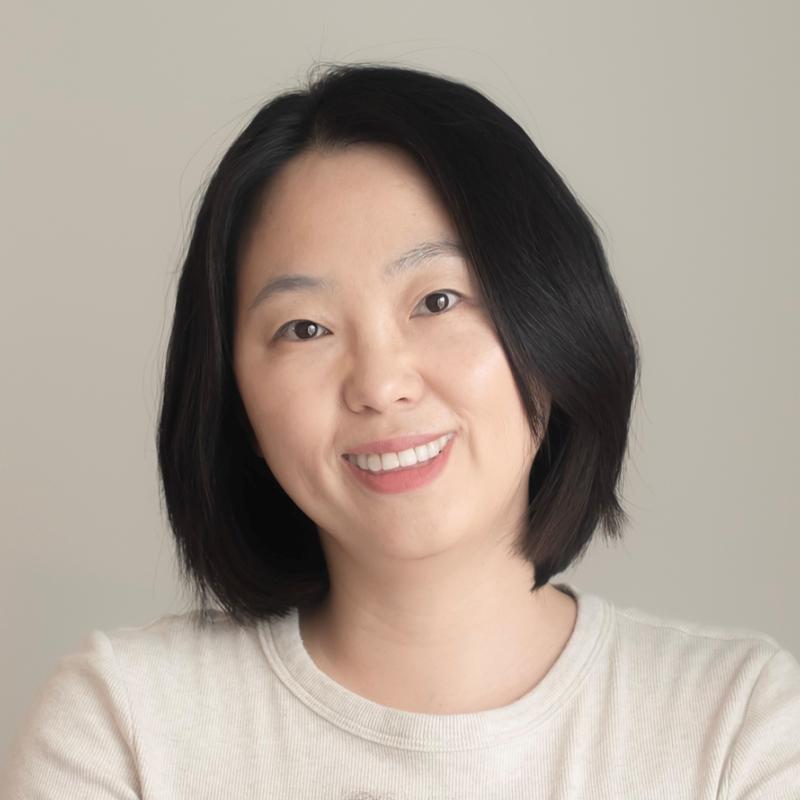
Kahyun Choi
Assistant Professor
University of Illinois Urbana-Champaign
Kahyun Choi is an Assistant Professor in the School of Information Sciences at the University of Illinois Urbana-Champaign. She received her PhD from UIUC. Her research applies computational methods and machine learning to cultural data, focusing on computational analysis of poetry and music, human–AI co-creation of cultural metadata, and ethical AI for digital libraries. Her work spans Music Information Retrieval and Digital Humanities. She received the 2022 IMLS Early Career Grant and the 2021 IMLS National Leadership Grant, and the 2023 IU Trustees Teaching Award.
Extending KCR5 Relationships for Integration with BIBFRAME 3.0
Authors: Minjung Park
-

Minjung Park
Doctoral student
Chung-Ang University
Doctoral student, Department of Library and Information Science, Chung-Ang University, Seoul, South Korea. Park earned her B.S. and M.S. degrees in Library and Information Science from Chung-Ang University. Her research interests include bibliographic metadata, bibliographic framework, and library development policy.
FAIR Open Metadata: A Case Study of RePEc
Authors: Anna Oates Schlaack, Christian Zimmermann
-
Anna Oates Schlaack
Assistant Professor, Cataloging & Metadata Librarian
University of Illinois Urbana-Champaign
Anna Oates Schlaack (she/her) is an Assistant Professor and the Cataloging and Metadata Librarian at the University of Illinois Urbana-Champaign, where she leads special formats and English-language monographic cataloging. While using the Modernist Journals Project as a student in the humanities, she found her calling–curating and describing information so that it can be used in novel ways. Whether to support digital humanities research, personal genealogical research, or scientometrics, Schlaack is committed to stewarding open metadata and information resources for use across the globe.
From MARC to Linked Open Data: AI-Driven Entity Extraction from Hebrew Manuscript Metadata Using Distant Supervision
Authors: Alexander Goldberg, Gila Prebor, Avshalom Elmalech
-
Avshalom Elmalech
Researcher
Bar-Ilan University
Avshalom Elmalech is a researcher at Bar-Ilan University with a PhD in Computer Science, working at the intersection of applied artificial intelligence and digital humanities. His research bridges information science and AI by examining how deep learning methods can be effectively applied to humanities data. He has contributed practical frameworks for guiding digital humanities scholars in choosing and adapting NLP and deep learning approaches under constraints such as limited training data and domain specificity. -
Gila Prebor
Associate Professor, Department of Information Science
Bar-Ilan University
Gila Prebor is a researcher in the Department of Information Science at Bar-Ilan University, specializing in Hebrew manuscripts, paleography, and knowledge organization. Her research combines codicology and bibliography with Digital Humanities, focusing on AI, Handwritten Text Recognition (HTR), and Semantic Web technologies for cultural heritage data. She is co-editor of Alei Sefer and has received grants from the ISF, the EU, and Israel’s Ministry of Innovation, Science, and Technology. Her recent work applies Linked Data and AI to the study of Hebrew manuscripts.
From Notes to Knowledge Management: Representing KDC Classification Notes as Linked Data for Automated Classification
Authors: Haeryung Park, Seungmin Lee
-
Haeryung Park
Chung-Ang University
Haeryung Park is a master's candidate in the Department of Library and Information Science at Chung-Ang University, Seoul, South Korea. Her research centers on knowledge organization, specifically focusing on classification systems and the Korean Decimal Classification (KDC). Her current work involves the structural modeling of KDC classification notes and representing them as Linked Data.
Metadata-Driven Semantic Interoperability: The HerStory-NeSyAI project for Trustworthy Neurosymbolic AI in Digital Humanities
Authors: Miquel Centelles Velilla, Matheus Jenevain, Elena Gómez, Núria Ferran-Ferrer
-
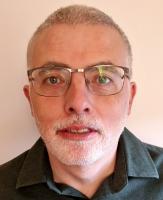
Miquel Centelles Velilla
Universitat de Barcelona
Professor at the University of Barcelona in Information Science, with prior experience at Universitat Pompeu Fabra’s library as coordinator and library assistant. Trained in Library & Information Science and Linguistics, with doctoral studies in cognitive science and language. Teaching and research focus on digital content and knowledge organization, including EPUB3 e-book metadata, RDF/linked data, taxonomies, and accessible multimodal learning resources, supported by publications, projects, and conference contributions. Currently working on neurosymbolic AI using knowledge graphs.
Motivations for Participating in Biomedical Ontology Communities within Human-AI Collaboration
Authors: Jiwoo Seo
-
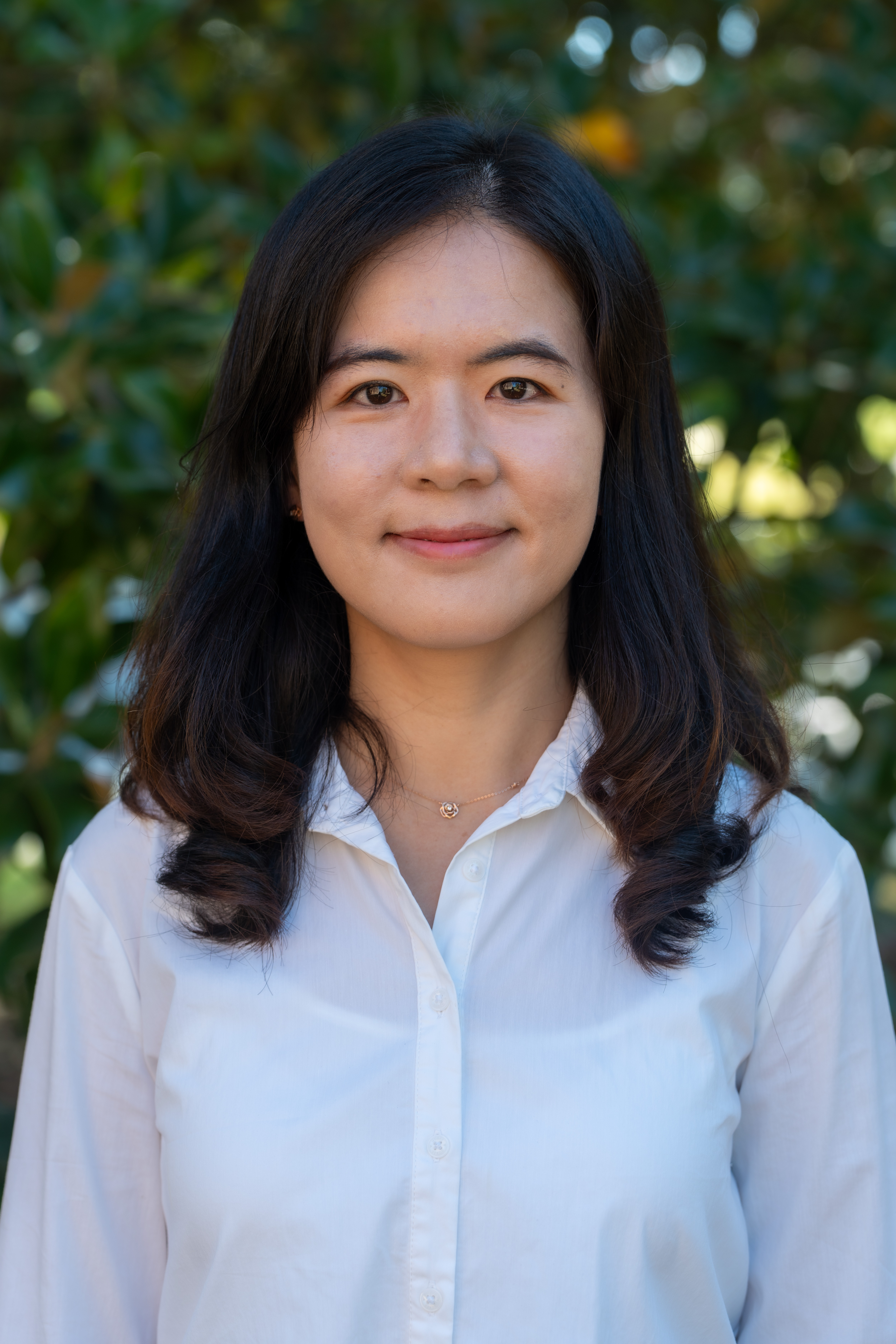
Jiwoo Seo
Florida State University
Jiwoo Seo is a Ph.D. student and Research Assistant in Information at Florida State University, studying human-AI collaboration and ontologies. With an interdisciplinary background spanning library and information science and web science, her research examines how humans and AI systems collaborate. Previously, she worked as an NLP researcher in corporate AI labs and as an AI specialist librarian. At DCMI 2026, she presents a motivation-based conceptual framework applying Activity Theory and Self-Determination Theory to enhance user participation in metadata and biomedical ontology communities.
Multilingual Metadata: Aligning Digital Heritage Systems with Cultural Values
Authors: Robin Dresel, Pamela Low
-
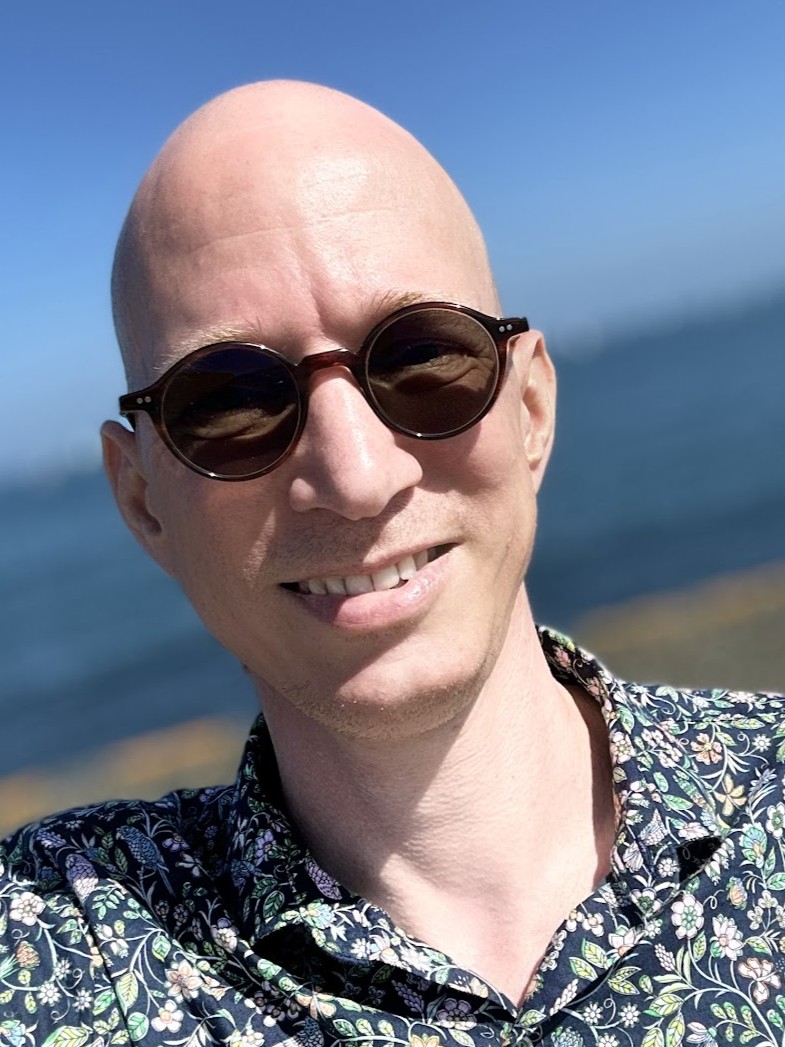
Robin Dresel
Assistant Director / Senior Librarian
National Library Board Singapore
Robin Dresel is Assistant Director, Metadata Services at the National Library Board Singapore, managing teams responsible for digital resources and non-purchase collections such as legal deposit, rare items, and donations. Drawing on over 20 years in libraries, he works at the intersection of cataloguing operations and technology, with a growing interest in how AI and system design can better serve diverse communities and collections. Recent studies in Digital Humanities sparked his curiosity about how humans and systems interact, and what that means for metadata practice.
TEI Encoding as Infrastructure for Meaning-Driven AI in Portuguese Literature
Authors: Diego Emanuel Giménez Celano
-
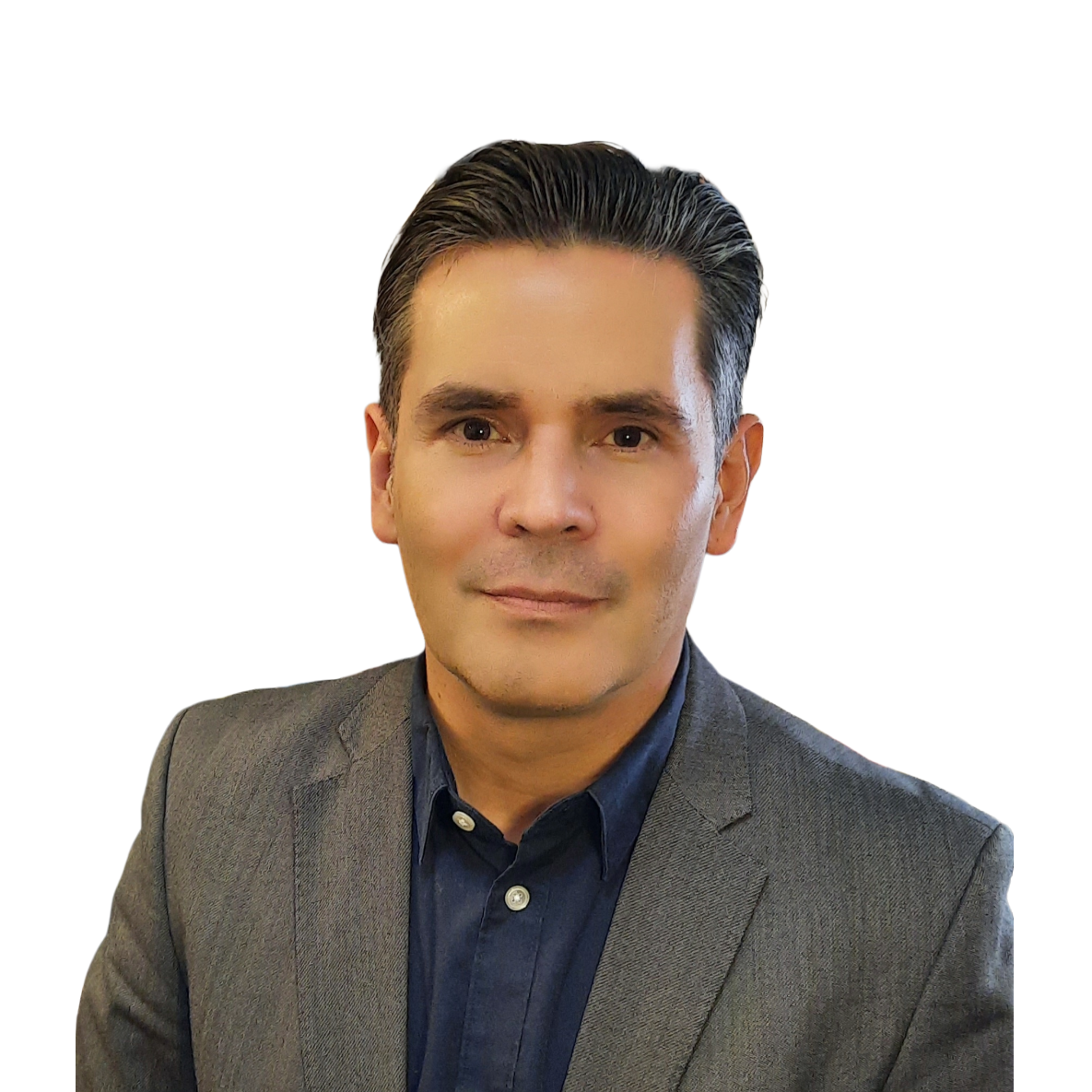
Diego Emanuel Giménez Celano
Assistant Professor
University of Macau
Diego Emanuel Giménez Celano is Professor of Portuguese Literature at the University of Macau. He holds a PhD in Literature and Thought from the University of Barcelona, with a dissertation on Fernando Pessoa’s The Book of Disquiet. He was a fellow of the Calouste Gulbenkian Foundation and a researcher on "No Problem Has a Solution: A Digital Archive of the Book of Disquiet" at the University of Coimbra. He was a postdoctoral researcher at the State University of Londrina, collaborates with Camões Lab, and is PI of "Portuguese Literary Studies: Texts, Readings, and Digital Approaches".