Posters
A Paradata Framework for Evidential Transparency in the Three-dimensional Virtual Reconstruction of Cultural Heritage
Authors: Anis Nur Alia Binti Musthafa, Young Hoon Jo
-
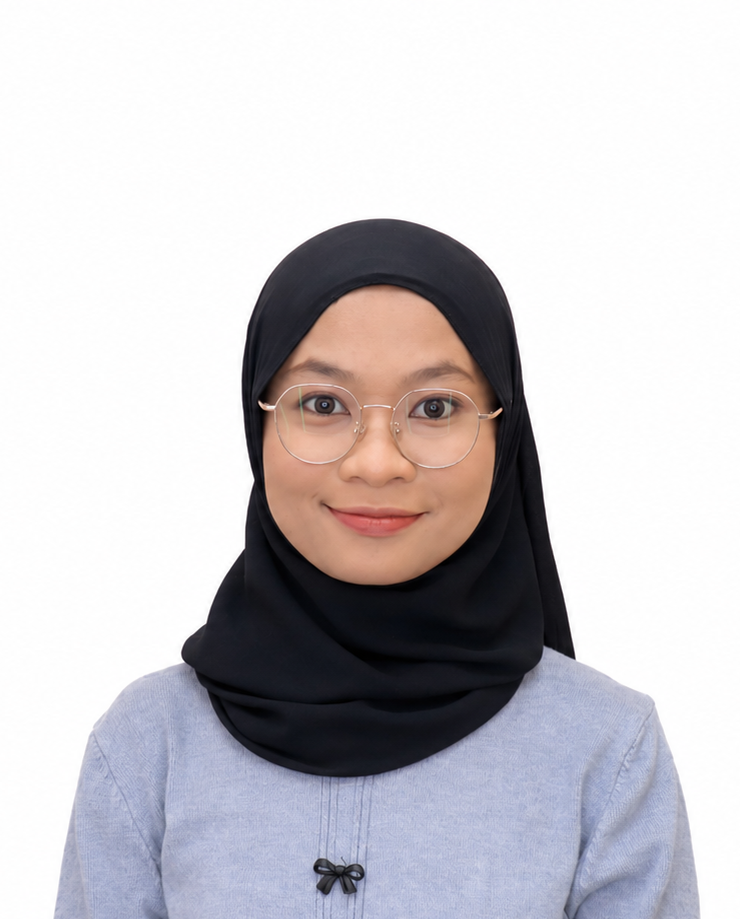
Anis Nur Alia Binti Musthafa
Kongju National University
I am a master’s student in Cultural Heritage Conservation Science at Kongju National University, South Korea. My research interests include digital heritage archives, metadata interoperability, cultural heritage information management, and 3D digital documentation. My current research focuses on metadata schema design and archive platform integration using cultural heritage lifecycle data.

Are AI Models Getting Better at Cataloging? - Evidence from a Two-Point Comparative Study
Authors: Myung-Ja (MJ) K. Han, Greta Heng, Patricia Lampron, Deren Kudeki
-
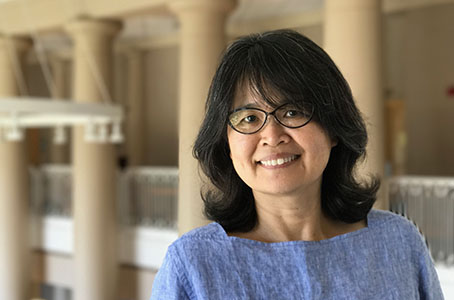
Myung-Ja (MJ) K. Han
Andrew Turyn Professor/Metadata Librarian
University of Illinois Urbana-Champaign
Myung-Ja (MJ) K. Han is the Andrew Turyn Professor and Metadata Librarian at the University of Illinois. Her research focused on digital humanities and metadata studies, with a focus on data interoperability and the use of information technologies. MJ serves on the DataCite Metadata Working Group, the Metadata Object Description Schema (MODS) Editorial Board, and the HathiTrust Program Steering Committee. She previously served as Chair of the Program for Cooperative Cataloging (PCC), an international program that develops and maintains metadata standards adopted by libraries worldwide.
BFFO: An Open, Machine-Actionable Knowledge Base for Bioinformatics File Formats
Authors: Nishad Thalhath, Mitsuharu Nagamori, Deepa Kasaragod, and Takeya Kasukawa
-
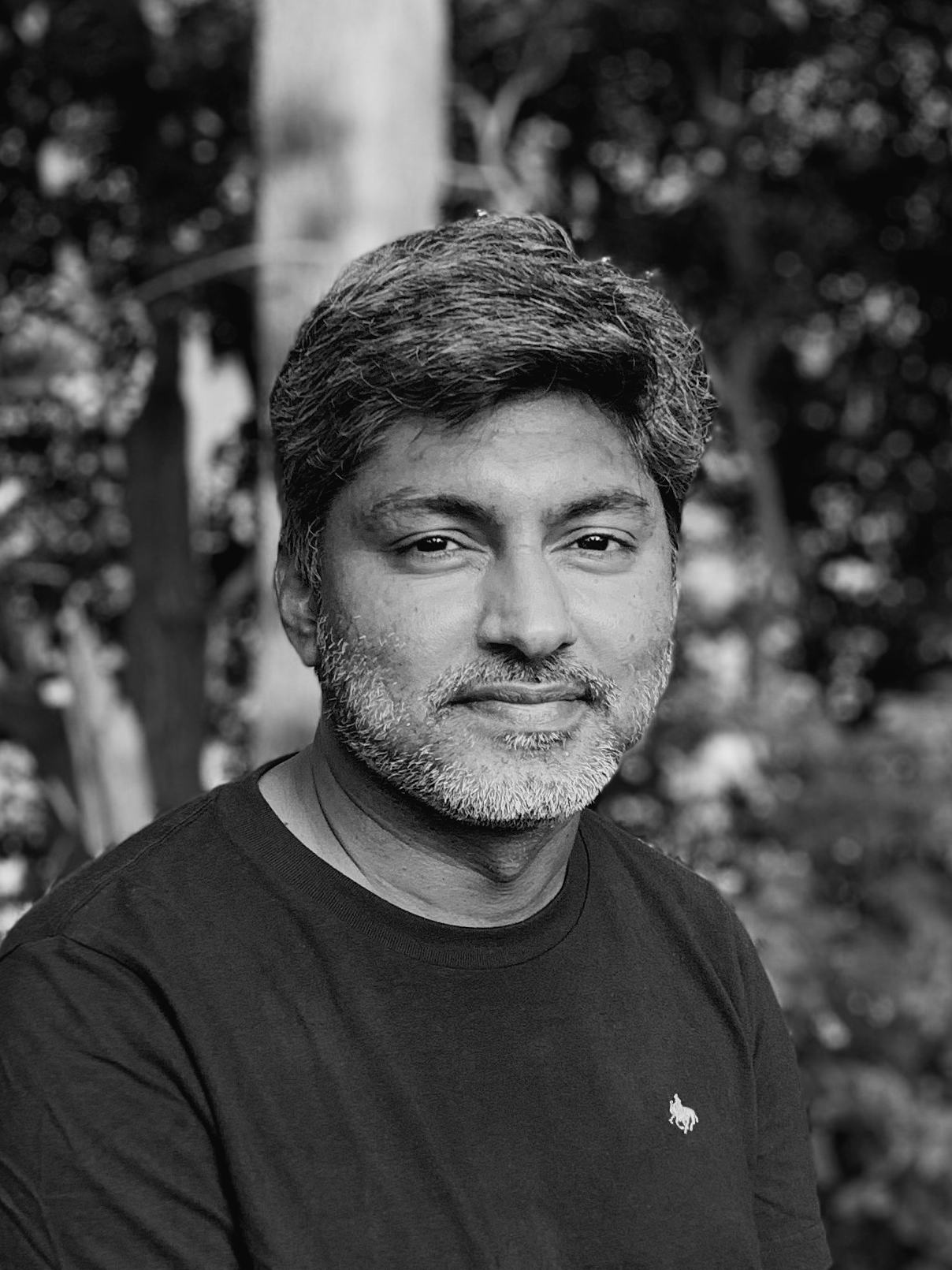
Nishad Thalhath
Technical Scientist
RIKEN
Nishad Thalhath is a researcher in information science with expertise in semantic interoperability, metadata standards, and knowledge graphs. He serves as a Technical Scientist at the RIKEN Center for Integrative Medical Sciences in Japan, where he develops and manages metadata and integration systems for omics data as part of the Laboratory for Large-Scale Biomedical Data Technology. He holds a Master’s degree in Library and Information Science and a PhD in Informatics. He also collaborates with the Metadata Laboratory at the University of Tsukuba’s School of Library, Information and Media Studies. With nearly two decades of experience in information technology, he has worked as a developer, engineer, and consultant, contributing to IT and ITES projects across diverse domains.
DC-NDL 2026: An Improved Metadata Schema Based on the Dublin Core
Authors: TAKAHASHI Kosuke, MACHIYA Daichi
-
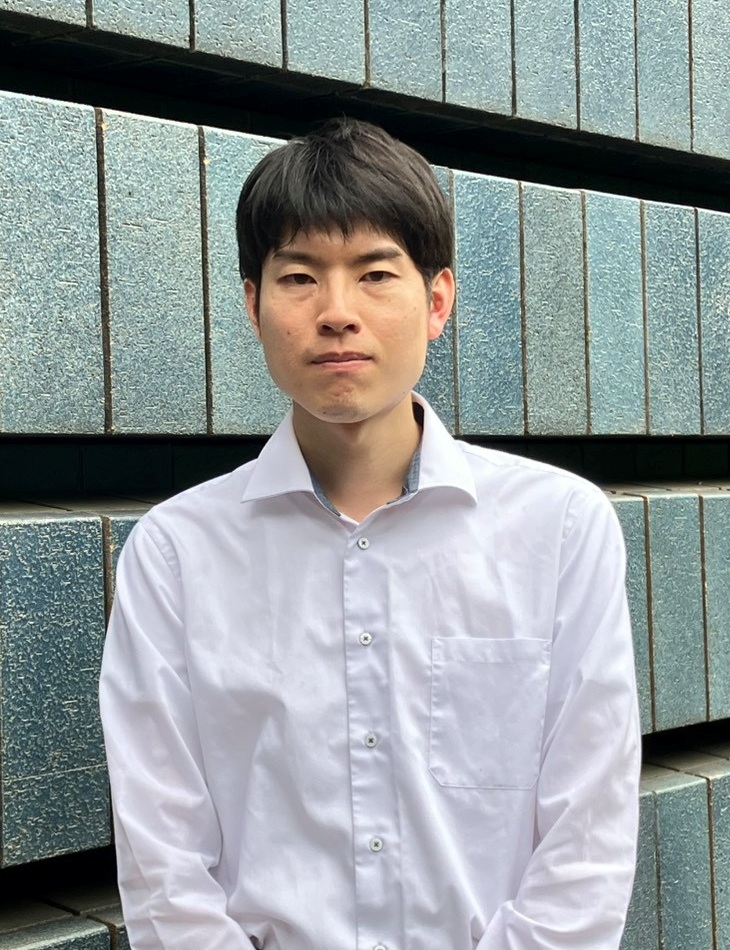
TAKAHASHI Kosuke
National Diet Library, Japan
Takahashi Kosuke is a member of the Standardization Section of the Digital Information Distribution Division of the Digital Information Department at the National Diet Library (NDL) of Japan. He has played a key role in the recent revision of the NDL's extended Dublin Core schema, DC-NDL, which is widely used across NDL systems and by other libraries in Japan. He is also involved in the standardization of technical interoperability for libraries and other domains as a member of the Japanese national committee for ISO/TC46/SC4.
Designing a Multidimensional Damage Information Metadata Schema for Data-Driven Cultural Heritage Lifecycle Management
Authors: Young Hoon Jo, Jun Hyoung Park, Chan Hee Lee
-
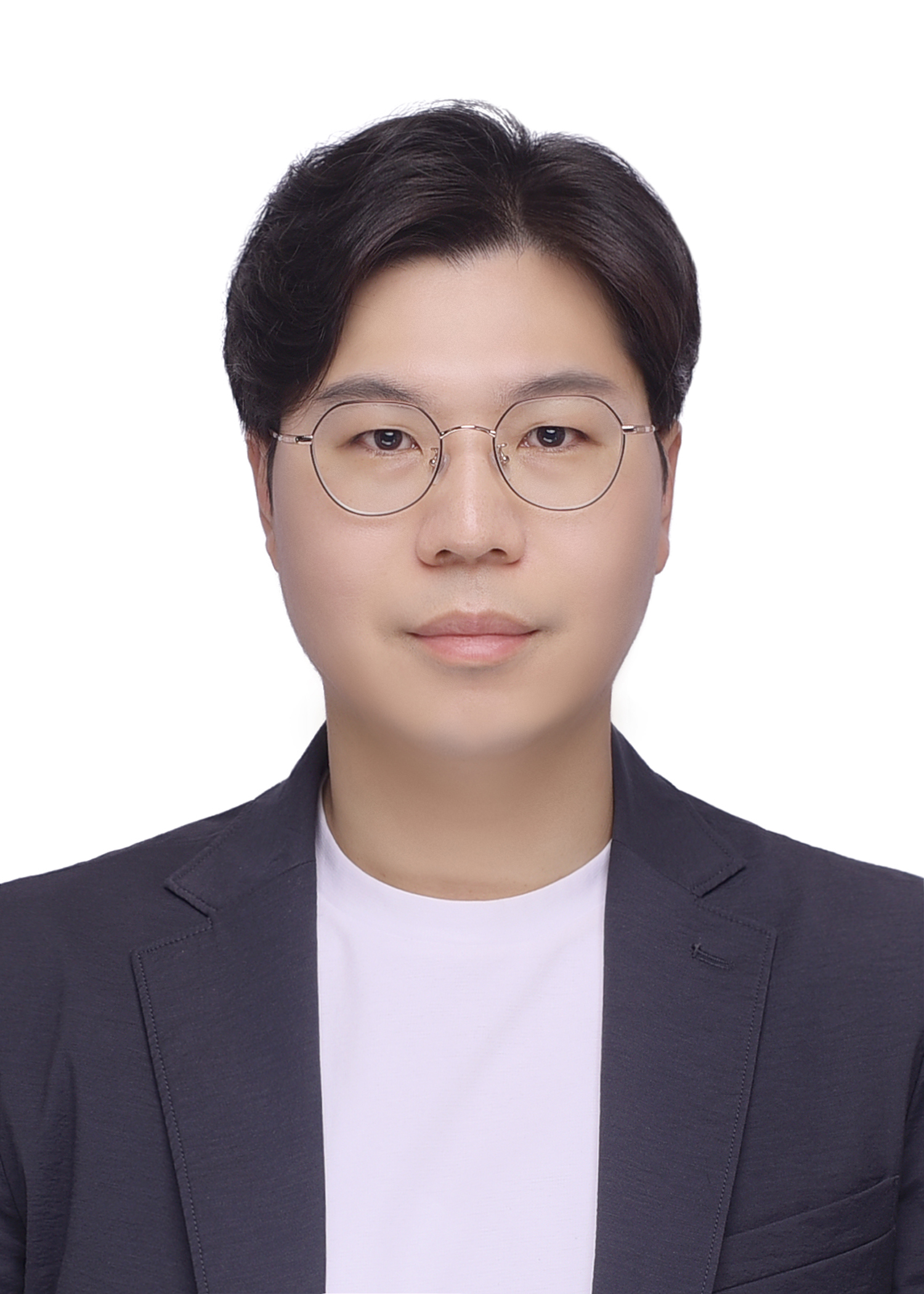
Young Hoon Jo
Professor
Kongju National University
Young Hoon Jo, a professor of Cultural Heritage Conservation Science, specializes in digital heritage. Their research focuses on interpreting acquired 2D and 3D data to interpret the value of cultural assets and develop advanced conservation solutions. Recently, they have been developing metadata schemas and archiving strategies for data-driven heritage lifecycle management. Having successfully led various digital heritage projects, they are dedicated to the sustainable conservation and dynamic public utilization of historic sites.
Empowering Researchers to Embody Open Science: An AI-Driven Framework for Librarian-Grade Metadata Generation
Authors: Masaharu Hayashi, Makoto Asaoka, Masashi Kawai, Mikiko Tanifuji
-
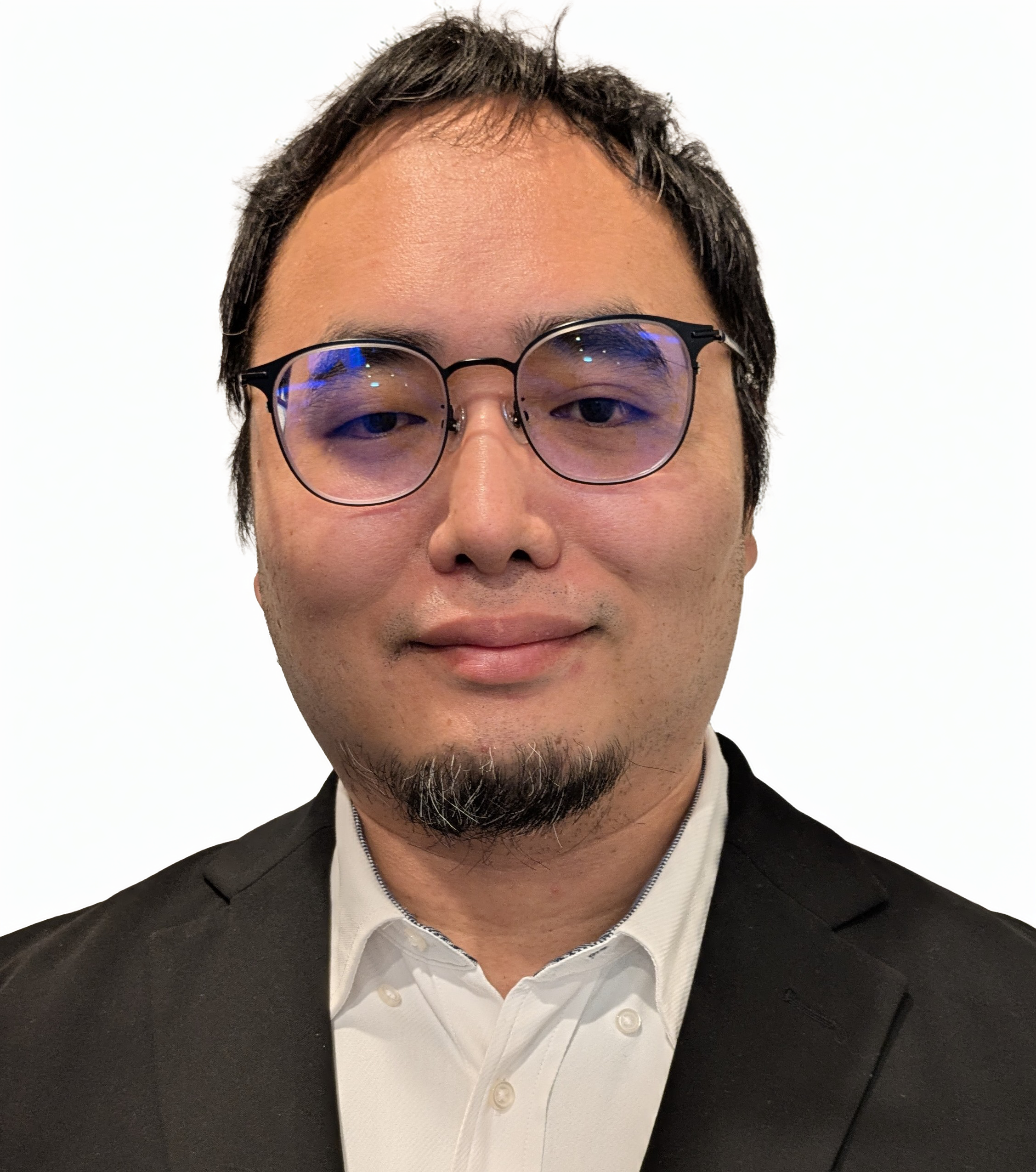
Masaharu Hayashi
Project Assistant Professor
Research Center for Open Science and Data Platform, National Institute of Informatics
Masaharu Hayashi focuses on building research output publication infrastructure and researching metadata sharing and utilization for academic institutions. He leads the technical development of OSS repository software, the core software powering JAIRO Cloud, a national shared multi-tenant repository platform utilized by over 800 Japanese institutions. His experience centers on developing repository functions for publishing research papers and research data, as well as providing these functions as a shared platform.
Finding Identities: Metadata Analysis on LGBTQ+ Knowledge Representation in the University of the Philippines Diliman Academic Libraries
Authors: Jessie Rose M. Bagunu, Miriam Charmigrace Q. Sacedo, Michael D. Amandy and Maria Maura S. Tinao
-
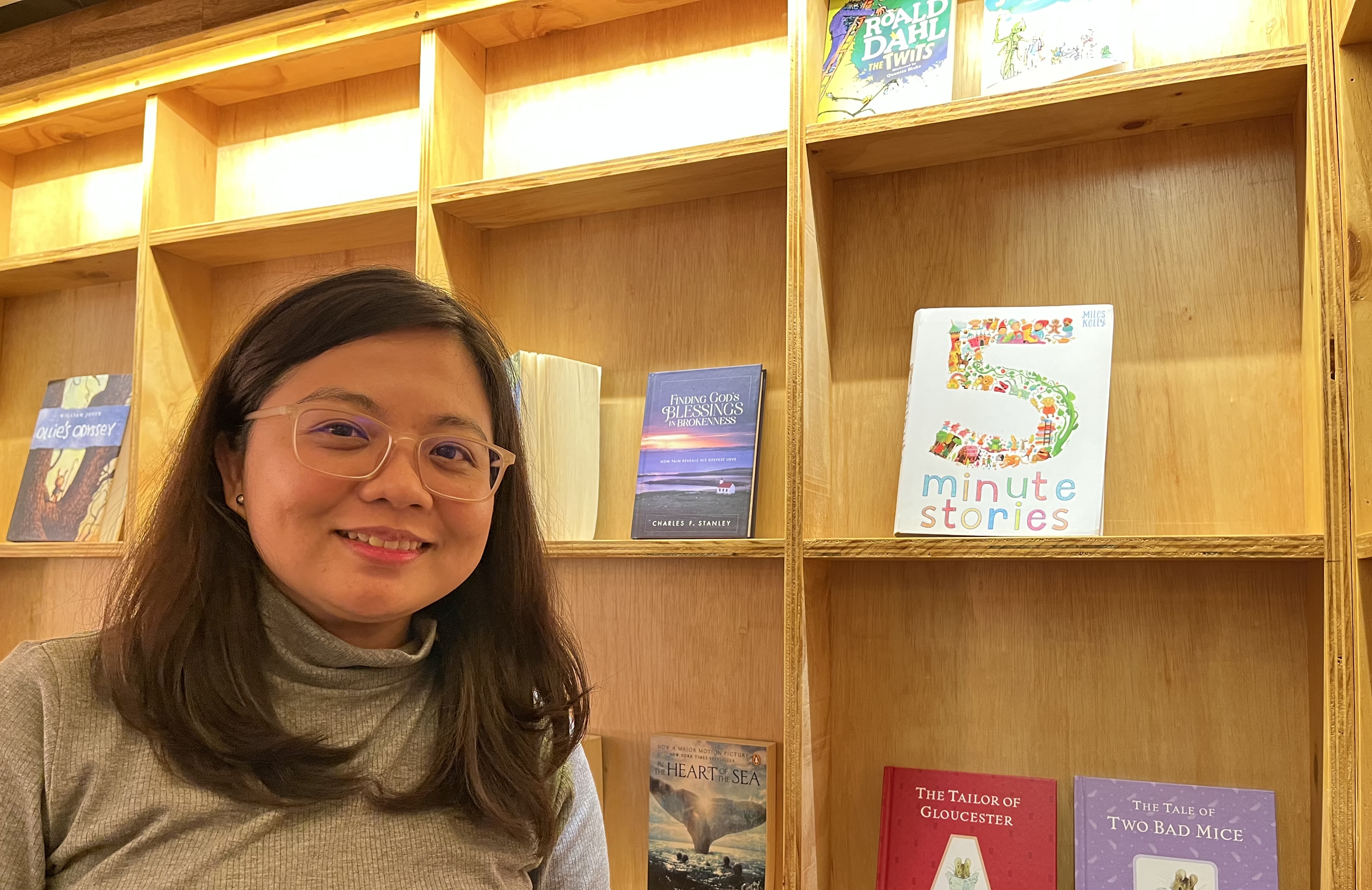
Jessie Rose M. Bagunu
Head Librarian
Library, School of Library and Information Studies, University of the Philippines Diliman
Jessie Rose M. Bagunu is a College Librarian at the University Library, University of the Philippines-Diliman and currently is the Head Librarian at the University of the Philippines School of Library and Information Studies Library. Her research interests include information needs and behavior, personal learning networks, metadata and classification as well as on the well-being of senior librarians and members of the elderly population, which she actively supports and advocates on their behalf.
Finding Identities: Metadata Analysis on LGBTQ+ Knowledge Representation in the University of the Philippines Diliman Academic Libraries
Authors: Jessie Rose M. Bagunu, Miriam Charmigrace Q. Salcedo, Michael D. Amandy and Maria Maura S. Tinao
-
Jessie Rose M. Bagunu
Head Librarian
Library, School of Library and Information Studies, University of the Philippines Diliman
Jessie Rose M. Bagunu is a College Librarian at the University Library, University of the Philippines-Diliman and currently is the Head Librarian at the University of the Philippines School of Library and Information Studies Library. Her research interests include information needs and behavior, personal learning networks, metadata and classification as well as on the well-being of senior librarians and members of the elderly population, which she actively supports and advocates on their behalf.
Fit-for-Purpose PID Adoption in a National Research Data Platform: Balancing FAIR Interoperability and CARE-aligned Governance in DataON
Authors: Hea Lim Rhee
-
Hea Lim Rhee
Principal Researcher
Korea Institute of Science and Technology Information
Hea Lim Rhee is a Principal Researcher at the Korea Institute of Science and Technology Information (KISTI), leading a national initiative to develop metadata standards for research data. She serves as Korea’s liaison to DataCite and CODATA, representing KISTI in international conferences and collaborations. She holds a Ph.D. from the University of Pittsburgh and an M.S. from the University of Michigan, and received the ALA LRRT Jesse H. Shera Award.
ImpactAI: Embedding Generative AI into Evidence-Informed Development Decision-Making
Authors: Linxi Wang , Madeline Bassetti , Abelardo Lorenzo , Philipp Zimmer , Satvik Garg , Riccardo Orlando , Giuliano Martinelli , Saqib Hussain , Nihaa Sajid , Clemence Gall , Aarushi Aggarwal , Ejigayehu Diriba , Jackson Mrema , Grace Sekwao , Jay Lnu , Dhruti Sanghavi , Shadrack Bentil , Mohammadmehdi Sharifkazemi , Sophie Pascale , Flavia Polles , Samuel Fraiberger , Arianna Legovini
-
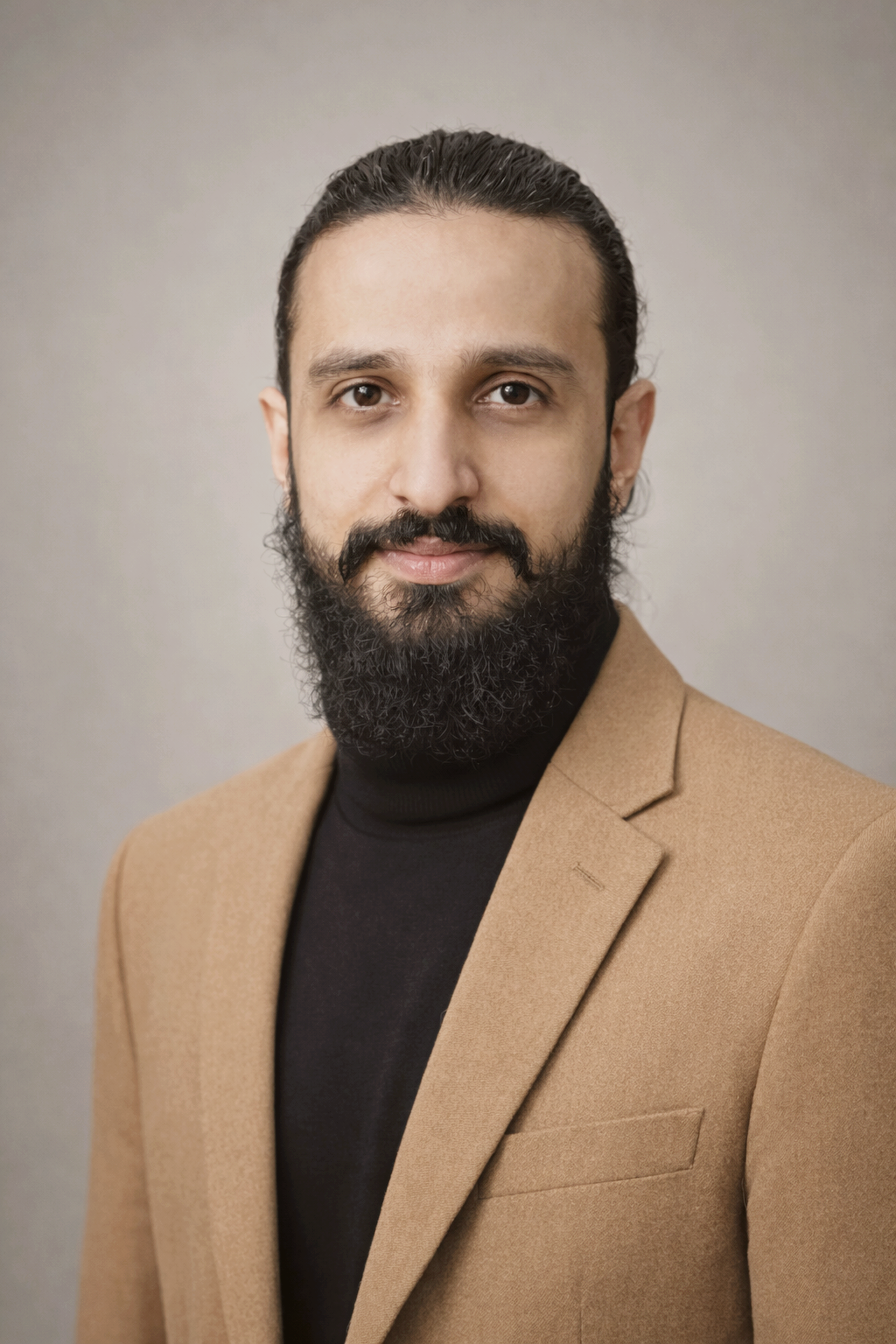
Saqib Hussain
Development Policy Expert
World Bank
I am a Development Policy Expert at ImpactAI, DIME, the World Bank, and a PhD candidate at KDI School. My research focuses on applied microeconomics, development economics, and AI. At ImpactAI, I curate and structure metadata annotation of development RCTs and standardized statistical data to generate global evidence. I also serve as a Fellow at the Institute for Replication. My work is published in Labour Economics and Land Use Policy.
Observability over Trialability: AI Metadata Attributes and Adoption Categories in Canva Usage Among Undergraduate Students in Surabaya
Authors: Ragil Tri Atmi, Marsanda Lintang Rahayu
-
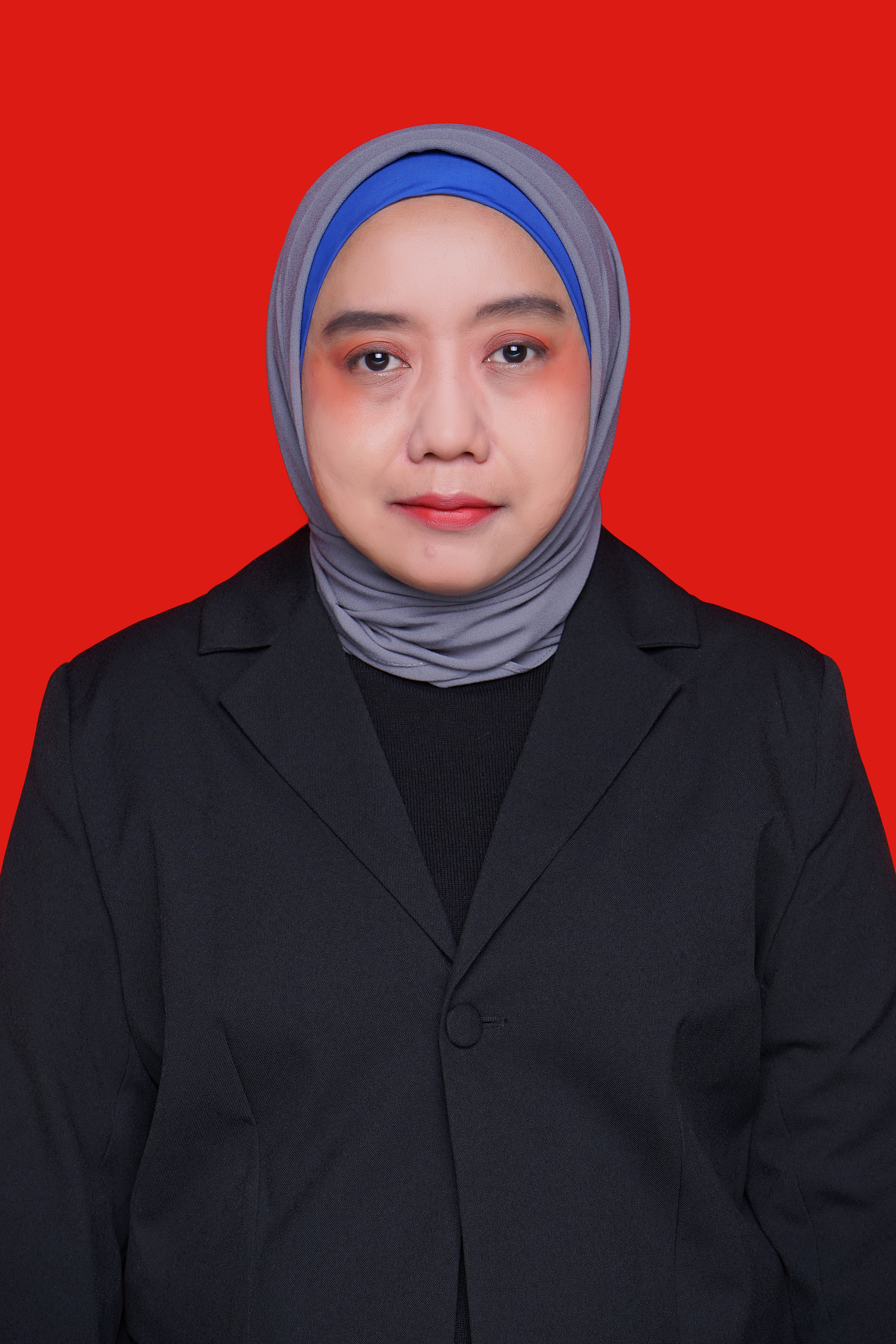
Ragil Tri Atmi
Lecture
Universitas Airlangga
Ragil Tri Atmi is a lecturer in the Department of Library and Information Science at Universitas Airlangga, Indonesia. She holds a Bachelor's degree in Library and Information Science from Airlangga University and a Master's degree in Information and Library Management from Gadjah Mada University. Her research and teaching interests include Knowledge Management, Knowledge Economy, Library Management, Information Ethics, and Business Information Analysis.
SAMATA (समता): A 16-Layer Metadata Application Profile for Cultural and Knowledge Systems
Authors: Gopal Adak
-
Gopal Adak
Assistant Archivist; Chairperson and Director of Archives & Museum
Nalanda University; Muses' Attic
Gopal Adak is an archival practitioner and researcher with 9 years of experience in digitisation, metadata systems, conservation documentation, and community heritage practice across South Asia. He serves as Assistant Archivist at Nalanda University and as Chairperson and Director of Archives and Museum at Muses' Attic, West Bengal. He is Principal Investigator for British Library EAP1804. Work across EAP, MEAP, and international collaborations spanning 1.5 million digitised items identified structural metadata gaps, informing his independent development of SAMATA.
Stop Guessing, Start Grounding: Using Metadata to Solve the Opacity Problem in AI Retrieval
Authors: Agnes Kleinhans, Ning Xia, Andreas Noback, Peter Pelz
-

Ning Xia
Chair of Fluid Systems, Technical University of Darmstadt
Ning Xia is a third-year PhD student at Technical University of Darmstadt working on Research Data Management, digitalization and semantic web infrastructures. His research focuses on knowledge graphs, RDF-based data models, semantic web technologies, and automated approaches for building, maintaining, and querying graph-based systems. He combines a background in mechanics and computational engineering with expertise in software development, including full-stack applications and systems programming. His work aims to improve the traceability, interoperability, and usability of research data.
Users’ perceptions of multilingual metadata elements in Linked Data
Authors: Hyoungjoo Park, Margaret E.I. Kipp
-
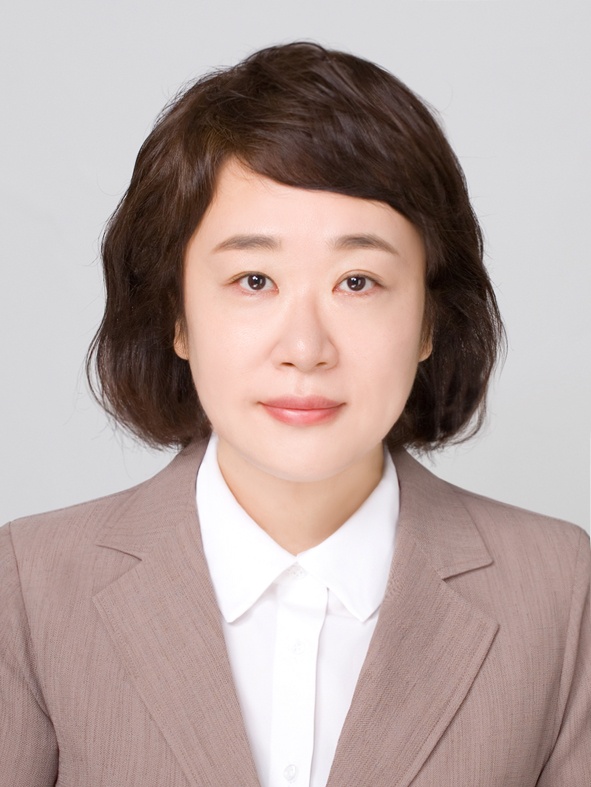
Hyoungjoo Park
Associate Professor
Chungnam National University
Hyoungjoo Park is an Associate Professor in the Department of Library and Information Science at Chungnam National University, Korea. Her research focuses on research data management and linked open data. She teaches courses in information retrieval, scholarly communication, and data curation.
When Meaning Gets Lost in Translation: Evaluating Semantic Alignment of LLM-Generated Dublin Core Metadata for Korean Cultural Heritage
Authors: Yi seul choi
-

Yiseul choi
Integrated M.S./Ph.D. Student
Sungkyunkwan University
Yiseul Choi is an Integrated M.S./Ph.D. student in Library and Information Science at Sungkyunkwan University, South Korea. She holds a bachelor's degree in Health Administration and currently serves as the director of a community library, where she gained practical experience in library operations and information services. Her research interests include metadata quality, AI applications in library and information science, and digital humanities, with a particular focus on the semantic quality of AI-generated metadata for cultural heritage collections in non-Western contexts.