Full Papers
A BIBFRAME-Based Authority Structure for Interlinking Authority Data and Author Identifier Systems in a Linked Data Environment
Authors: Juhui Lee, Seungmin Lee
-

Juhui Lee
Librarian
Seoul National University Library
Juhui Lee has been working at Seoul National University Library from 2023. Including her previous experience, she has accumulated diverse experience in cataloging, library communications, and materials management. She holds a B.A. in Library and Information Science and a M.A in Record Management from Chung-Ang University. She is interested in connecting library data to the web environment.

A Workflow-Based Approach for Metadata Interoperability via Domain-Specific Schema Mapping to DataCite
Authors: Yan CONG, Masao TAKAKU, Yasuyuki MINAMIYAMA, Shigeki MATSUBARA
-
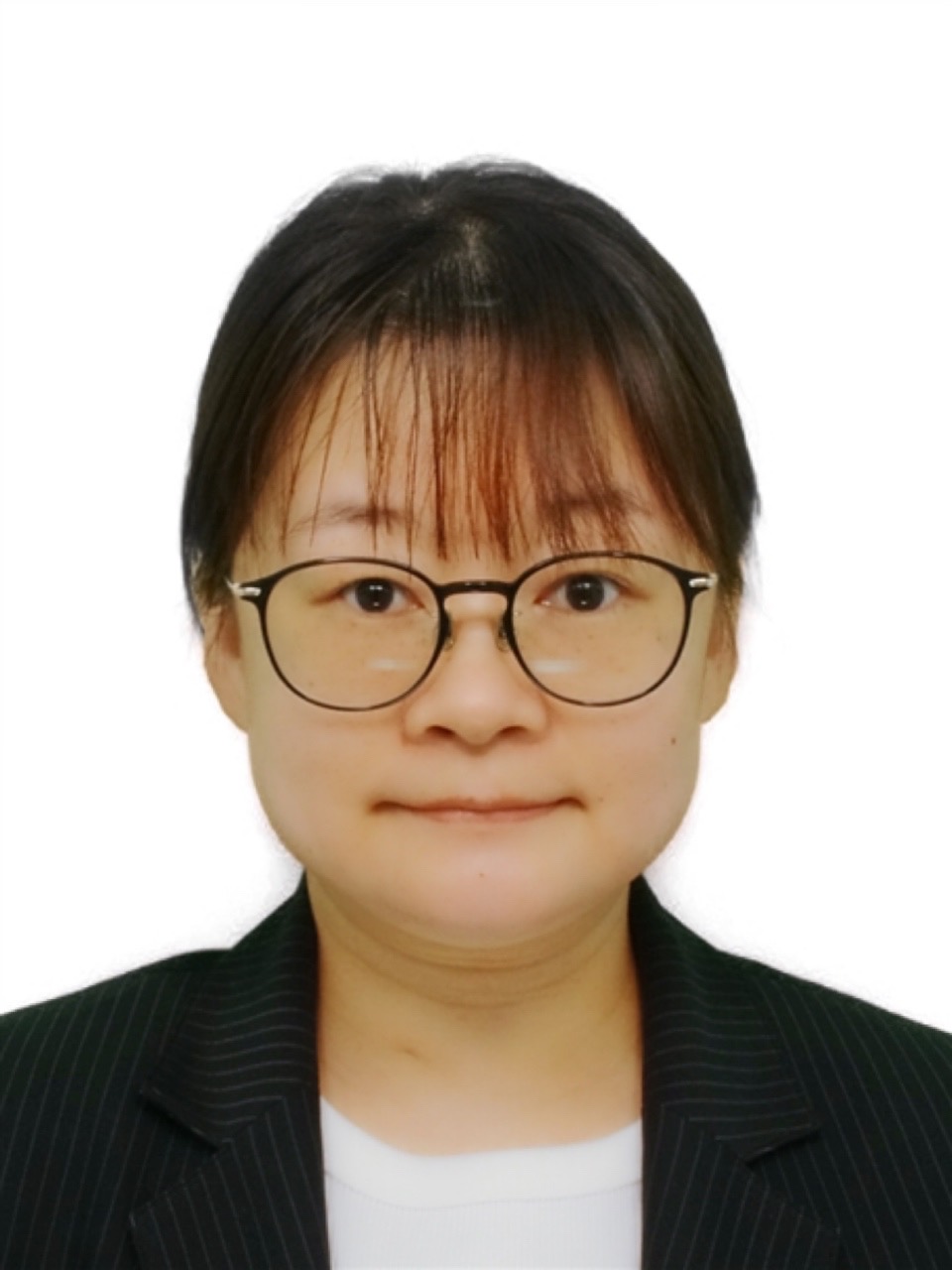
YAN CONG
Nagoya University
I obtained my Ph.D. in Library and Information Science, with a research focus on metadata standardization, Linked Open Data (LOD), and TEI markup. I also explored the application of AI in education, particularly methods for evaluating and validating its effectiveness in learning contexts. After graduation, I joined my current position, which focuses on metadata and interoperability. My work centers on metadata standardization and Persistent Identifiers (PIDs), with the aim of improving data consistency, system integration, and long-term accessibility across heterogeneous information systems.
AI in Knowledge Organization: Is There a Problem with AI representation?
Authors: Lala Hajibayova
-
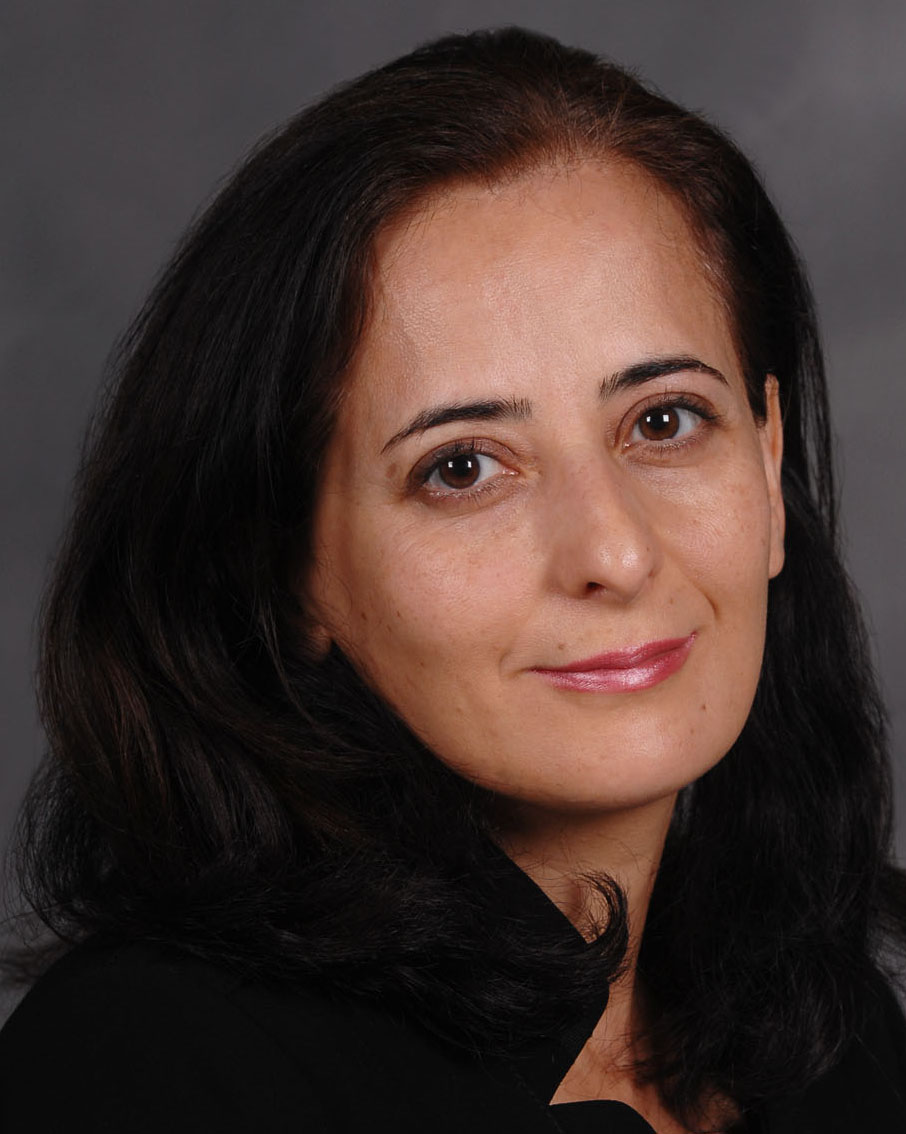
Lala Hajibayova
Professor
School of Information, Kent State University
Lala Hajibayova is a professor at the School of Information, Kent State University, United States. Hajibayova's research examines interplay between individuals' contextualized experiences, patterns and behaviors of engaging with systems and the potential of individuals' collective actions to enrich systems of representation, organization and discovery. Hajibayova serves on editorial boards of the Journal of the Association for Information Science & Technology and the Annual Review of Information Science & Technology.
AI-Guided Metadata Construction for Meaning-Driven Digital Knowledge Systems: A Framework for Automated Metadata Generation and Semantic Discovery
Authors: Wirapong Chansanam, Umawadee Detthamrong, Chunqiu Li, Abdul Rahman Ahmad, and Avshalom Elmalech
-
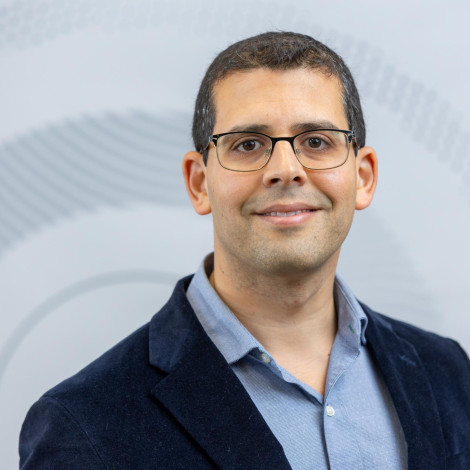
Avshalom Elmalech
Researcher
Bar-Ilan University
Avshalom Elmalech is a researcher at Bar-Ilan University with a PhD in Computer Science, working at the intersection of applied artificial intelligence and digital humanities. His research bridges information science and AI by examining how deep learning methods can be effectively applied to humanities data. He has contributed practical frameworks for guiding digital humanities scholars in choosing and adapting NLP and deep learning approaches under constraints such as limited training data and domain specificity. -
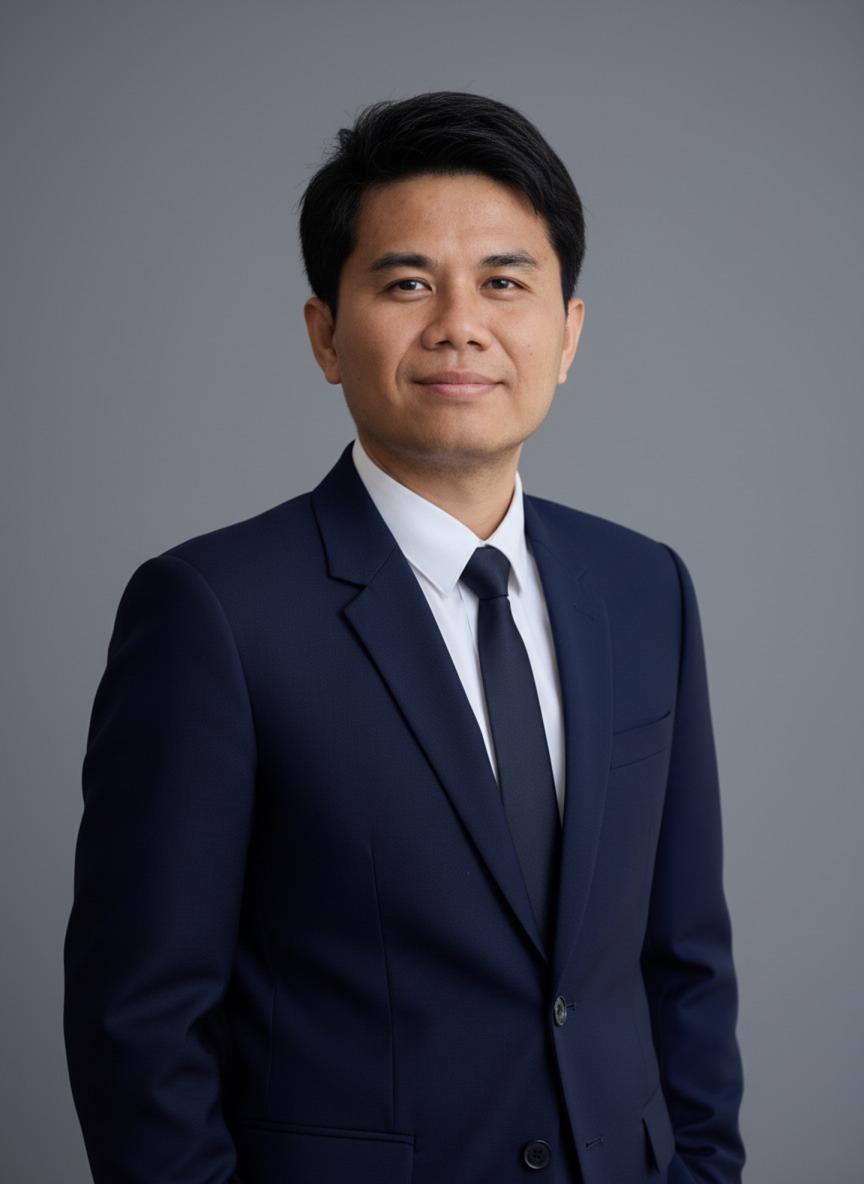
Wirapong Chansanam
Associate Professor
Khon Kaen University
Wirapong Chansanam is an Associate Professor of Information Science at Khon Kaen University, Thailand. He earned his Ph.D. in Information Science in 2014 and currently serves as Head of the Information Science Department and Chair of the Digital Humanities Research Group. His research focuses on information science, ontology, knowledge organization systems, linked open data, and data analytics. He actively contributes to advancing digital knowledge management and innovation.
An Exploratory Study on Genre Labeling of Online Comic Reading Platforms in Taiwan
Authors: Tzu-Yun Chien, Li-Min Huang
-
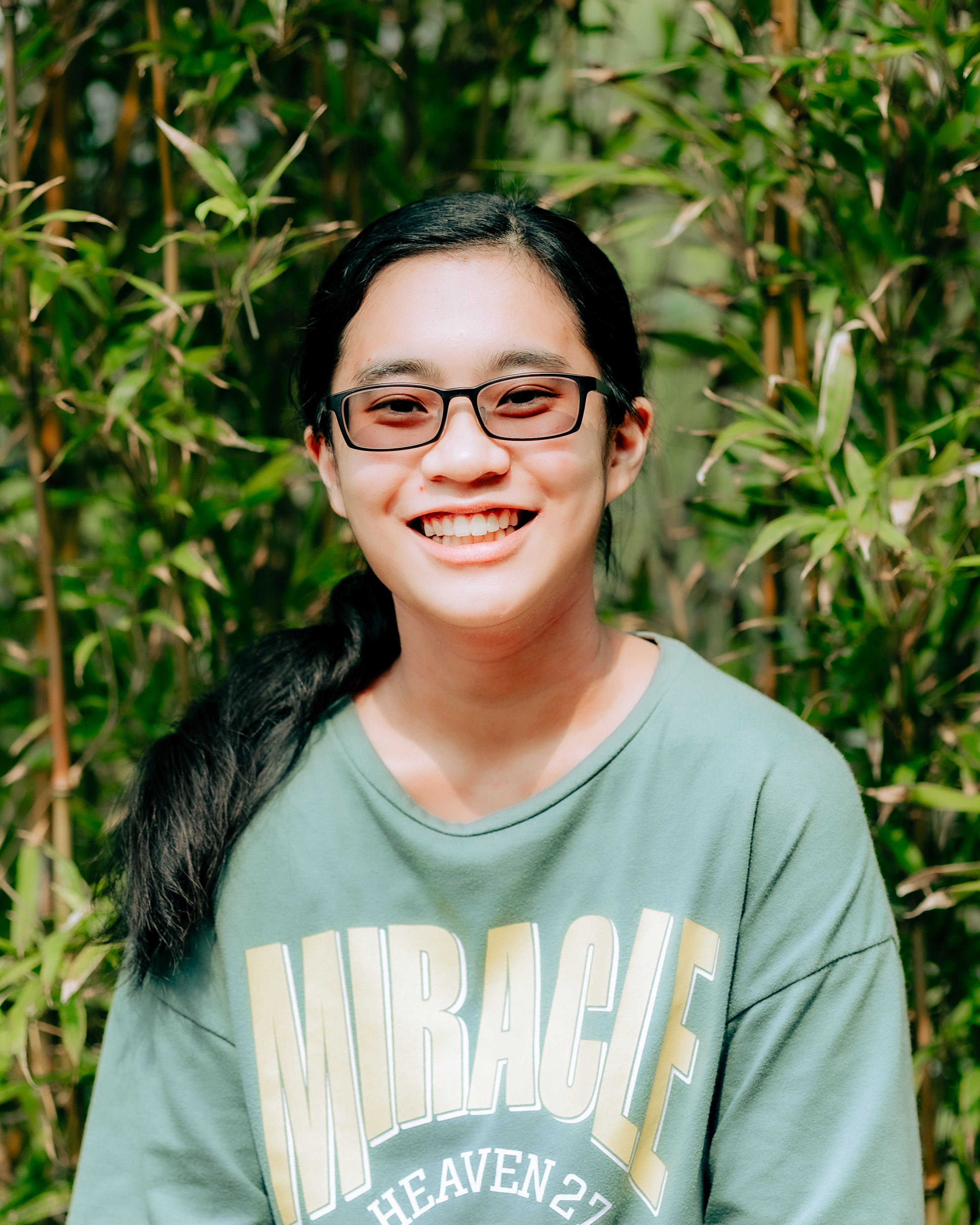
Tzu-Yun Chien
National Taiwan University
Tzu-Yun Chien is a Master’s student in the Department of Library and Information Science at National Taiwan University. Her research interest focusing on human–computer interaction and information behavior. Her prior research on user behaviors in AI-assisted tasks has been published as a full conference paper. Her ongoing master's thesis focuses on the differences between existing genre categorization frameworks, platform labeling practices, and user interpretations within online comics.
Automated Classification of Chinese Books: A Large Language Model Approach to Knowledge Transfer and Domain Adaptation
Authors: Xin Yang, Junzhi Jia, and Ying-Hsang Liu
-
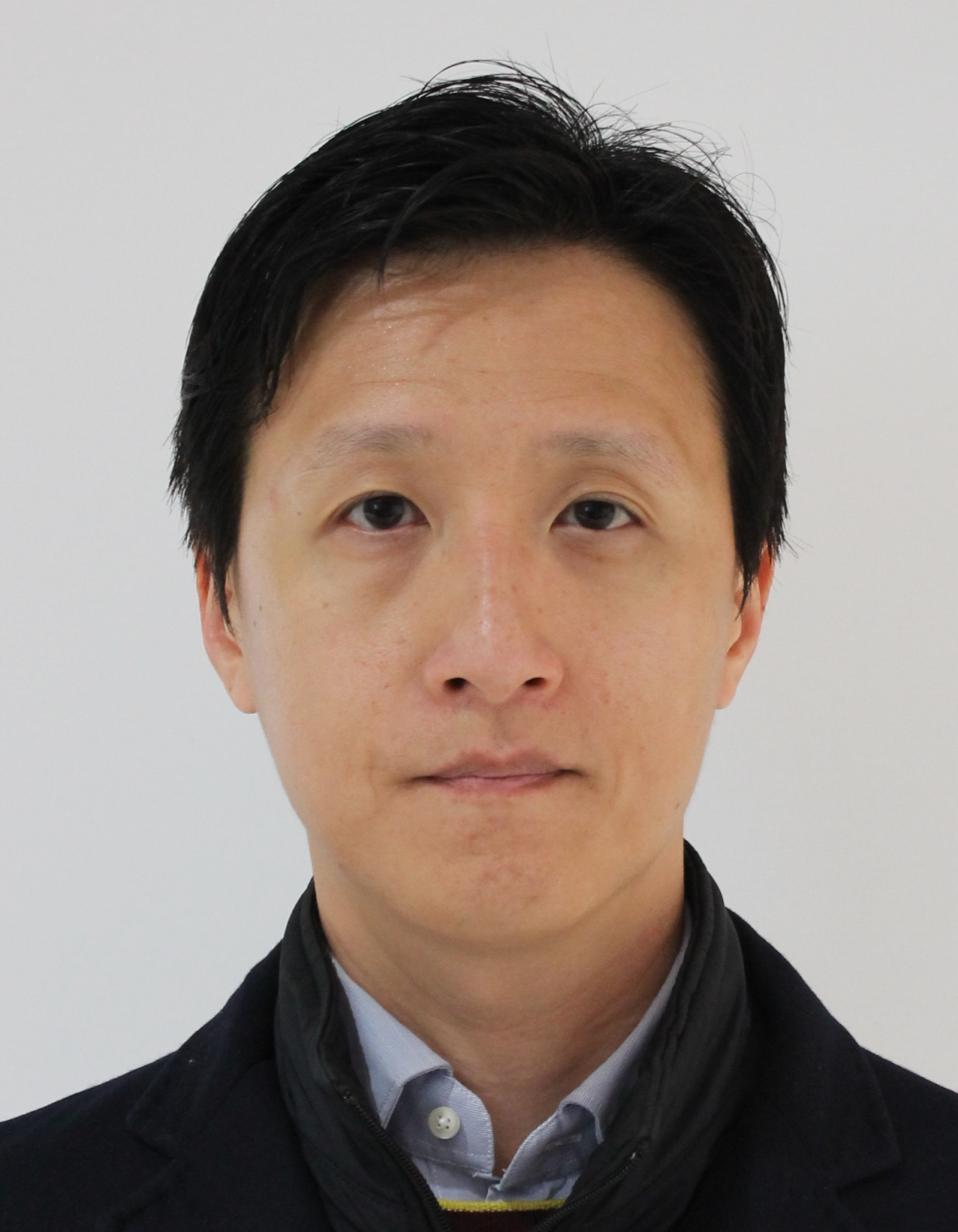
Ying-Hsang Liu
Researcher
Professorship of Predictive Analytics, Chemnitz University of Technology
Ying-Hsang Liu is a researcher at Chemnitz University of Technology (Germany) in Predictive Analytics. With a Ph.D. in Information Science (Rutgers University, USA), he has held academic positions across five countries. His research focuses on human-centered data science, information retrieval, and AI-based systems, supported by grants from the ARC, ARDC, and Airbus. Dr. Liu has authored 65 peer-reviewed publications and two books, serves on ASIS&T and ALISE committees, and is a Distinguished Member of ASIS&T 2022.
Beyond Mapping: A Semantic Transformation Approach from KORMARC and MODS to BIBFRAME
Authors: Seungmin Lee
-
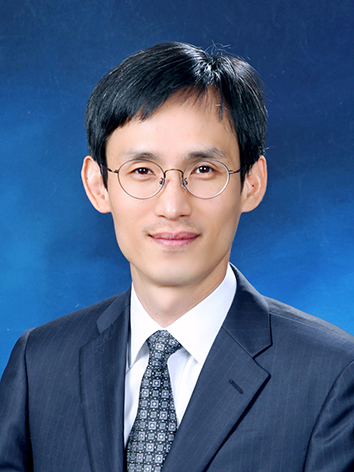
Seungmin Lee
Professor
Chung-Ang University, South Korea
Seungmin Lee is a Professor in the Department of Library and Information Science at Chung-Ang University, Seoul, South Korea. He received his Ph.D. in Information Science from Indiana University Bloomington. His research interests include library classification, metadata, bibliographic ontologies, and knowledge organization. He previously served as Chair of the Cataloging Committee, Chair of the Planning and Policy Committee, and Chair of the Librarian Qualification Committee of the Korean Library Association. His recent research focuses on AI-driven metadata generation and AI literacy.
Beyond Metadata Completeness: A Multidimensional Interoperability Readiness Framework for National Web-Scale Discovery Services
Authors: Dwi Fajar Saputra, Taufik Asmiyanto, Nina Mayesti
-
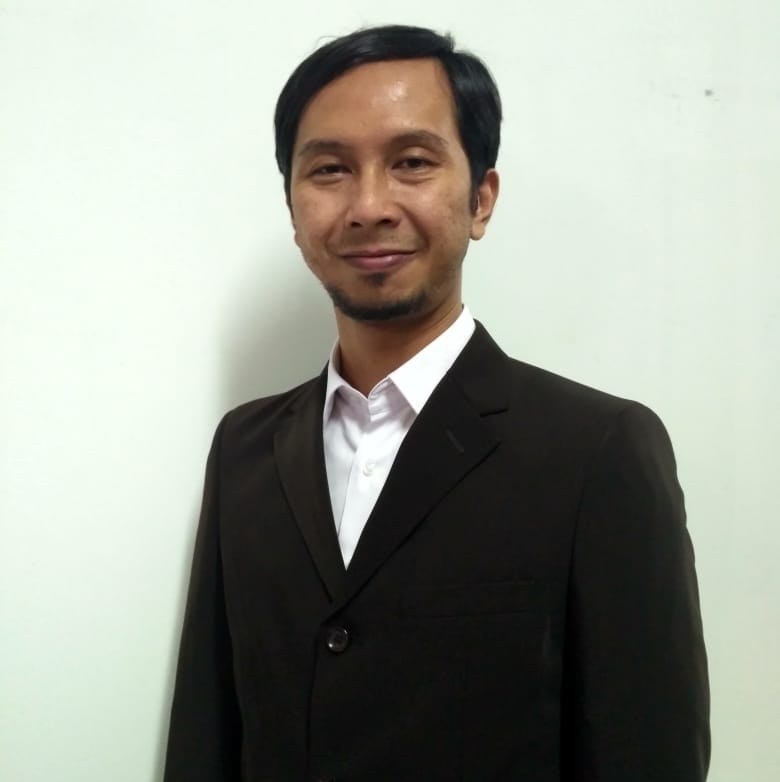
Dwi Fajar Saputra
Doctoral Candidate, Information Studies
Faculty of Humanities, Universitas Indonesia
Dwi Fajar Saputra is a doctoral candidate in Information Studies at the Faculty of Humanities, Universitas Indonesia. His research focuses on digital library systems, repository interoperability, metadata quality, and web-scale discovery services. His doctoral research examines the sustainability of national aggregation infrastructure, with particular emphasis on metadata readiness and harvesting continuity in Indonesia One Search as a national web-scale discovery service.
Decolonizing Metadata: Lessons from Stolen Relations’ Controlled Vocabulary Development
Authors: Mairelys Lemus-Rojas, Patrick Rashleigh, Khanh Vo
-

Mairelys Lemus-Rojas
Head of Digital Scholarship
University of Central Florida
Mairelys Lemus-Rojas is the Head of Digital Scholarship at the University of Central Florida Libraries. She oversees Digital Initiatives, Open Scholarship, and the Digital Exploration Center, a digital scholarship hub to learn, engage, and collaborate on digital projects. Previously, she worked as the Head of Open Metadata Production and Initiatives at Brown University. As a strong advocate for open knowledge and an active contributor to Wikimedia projects, Mairelys is committed to democratizing access to information by amplifying the visibility of underrepresented communities.
Does AI-Encoded Meaning Align with Human Meaning?
Authors: Zhenhua Wang, Aixin Yao and Ming Ren
-
Ming Ren
Vice Dean
School of Information Resources Management, Renmin University of China
Ren Ming is a Professor, Doctoral Supervisor, and Vice Dean at the School of Information Resource Management, Renmin University of China. Her research focuses on big data analytics and applications, AI, and data element markets. She has led multiple national-level research projects, published in leading journals such as JASIST, JOI, TOIS, authored two academic monographs, and led the annual Data Element Marketization Promotion Index report. She serves as a committee member in national and professional societies related to information technology, knowledge organization.
From Multi-Notation Assignment to Faceted Classmark Synthesis in K-KOS: An Exploratory Application of the Integrative Levels Classification with a Classmark Builder
Authors: Ziyoung Park1, Claudio Gnoli, Daniele Morelli
-
Ziyoung Park
Professor
Hansung University, South Korea
Ziyoung Park is a professor of Library and Information Science at Hansung University, Seoul, Republic of Korea, where she also serves as Director of the University Library. Her research focuses on knowledge organization systems (KOSs), including the design of classification systems and metadata modeling. She serves as a member of ISKO Italy, an editor for BARTOC, and a program committee member of NKOS. She leads research projects on designing and building registries for Korean KOSs. Her additional work includes developing a bibliographic database of German literature translated into Korean.
Grounding AI Subject Cataloguing in Standards and Policy: An MCP Server for Live LC Authority Lookup and a DITA-Encoded SHM for RAG
Authors: May Chan
-
May Chan
Head, Metadata Services
University of Toronto
May Chan is Head, Metadata Services at the University of Toronto Libraries, with 17 years of prior experience in public libraries at Vancouver and Burnaby, British Columbia. A Carpentries Instructor Trainer, she is committed to building computational and technical literacy among library practitioners, and has been active in cataloguing training and professional development in a variety of roles throughout her career. May currently serves as co-chair of the PCC Standing Committee on Training and the SCT Linked Data Training Task Group.
Help or hype?: Standardizing date metadata with AI
Authors: Annamarie C. Klose, Scott Goldstein
-
Scott Goldstein
Coordinator, Web Services & Library Technology
McGill University
Scott Goldstein is the Coordinator of Web Services and Library Technology at McGill University. His research interests include metadata quality, digital humanities, technology in libraries, and meta-research.
OpenDataGOV-AP: A Linked Data Application Profile for parliamentary activities
Authors: Tiago Ribeiro de Sá Cruz, João Miguel da Silva Lourenço, Mariana Curado Malta, João Carlos Viegas Martins Bispo
-
Tiago Ribeiro de Sá Cruz
Student
Faculdade de Engenharia da Universidade do Porto
I am a final-year Master's student in Informatics and Computing Engineering at FEUP. I developed PoliTrack, a mobile app for tracking Portuguese parliamentary proposals and votes, promoting civic awareness. My thesis focuses on parliamentary data, where I converted data to RDF, co-developed a modular domain ontology, and built a hybrid search engine with dense retrieval and query expansion, enabling natural language querying over parliamentary initiatives for non-technical users.
Reconstructing Metadata Literacy in the AI Era: A Conceptual Framework and Educational Reflections for LIS Education
Authors: Ba Xi, Nurussobah Hussin and Hanis Diyana Kamarudin
-
Ba Xi
Faculty of Information Science, Universiti Teknologi MARA
Ba Xi is a PhD candidate in Information Management at the Faculty of Information Science, Universiti Teknologi MARA. She currently works at a university in China. Her research interests include AI literacy, community libraries, and infopreneurship. Her doctoral research focuses on the development of an AI literacy framework for Library Science students in China. Her work explores how emerging AI technologies are reshaping Library Science education, information practice, and the development of students’ professional competencies in academic and professional contexts.
Tapir: A Graphical Editor for Tabular Application Profiles
Authors: Nishad Thalhath, Mitsuharu Nagamori, and Tetsuo Sakaguchi
-
Nishad Thalhath
Technical Scientist
RIKEN
Nishad Thalhath is a researcher in information science with expertise in semantic interoperability, metadata standards, and knowledge graphs. He serves as a Technical Scientist at the RIKEN Center for Integrative Medical Sciences in Japan, where he develops and manages metadata and integration systems for omics data as part of the Laboratory for Large-Scale Biomedical Data Technology. He holds a Master’s degree in Library and Information Science and a PhD in Informatics. He also collaborates with the Metadata Laboratory at the University of Tsukuba’s School of Library, Information and Media Studies. With nearly two decades of experience in information technology, he has worked as a developer, engineer, and consultant, contributing to IT and ITES projects across diverse domains.
Together in Practice: Comparing LCC and DDC Assignment Across Library of Congress Bibliographic Records
Authors: Kai Li, Inkyung Choi, Jessica Yi-Yun Cheng, Zach Jenkins, and Brian Dobreski
-

Inkyung Choi
Assistant Professor
Sungkyunkwan University
Inkyung Choi is an Assistant Professor in the Department of Library and Information Science at Sungkyunkwan University. As a current FAIR Fellow, she specializes in metadata architecture, ontology engineering, and knowledge organization, with a focus on implementing FAIR principles to enhance data interoperability and reuse. Her current research focuses on developing a standard-based Knowledge Graph aiming to transform fragmented domain information into sustainable, machine-actionable knowledge infrastructures for AI-driven scientific discovery.