Panels
AI-Augmented Metadata Workflows in library cataloguing
-
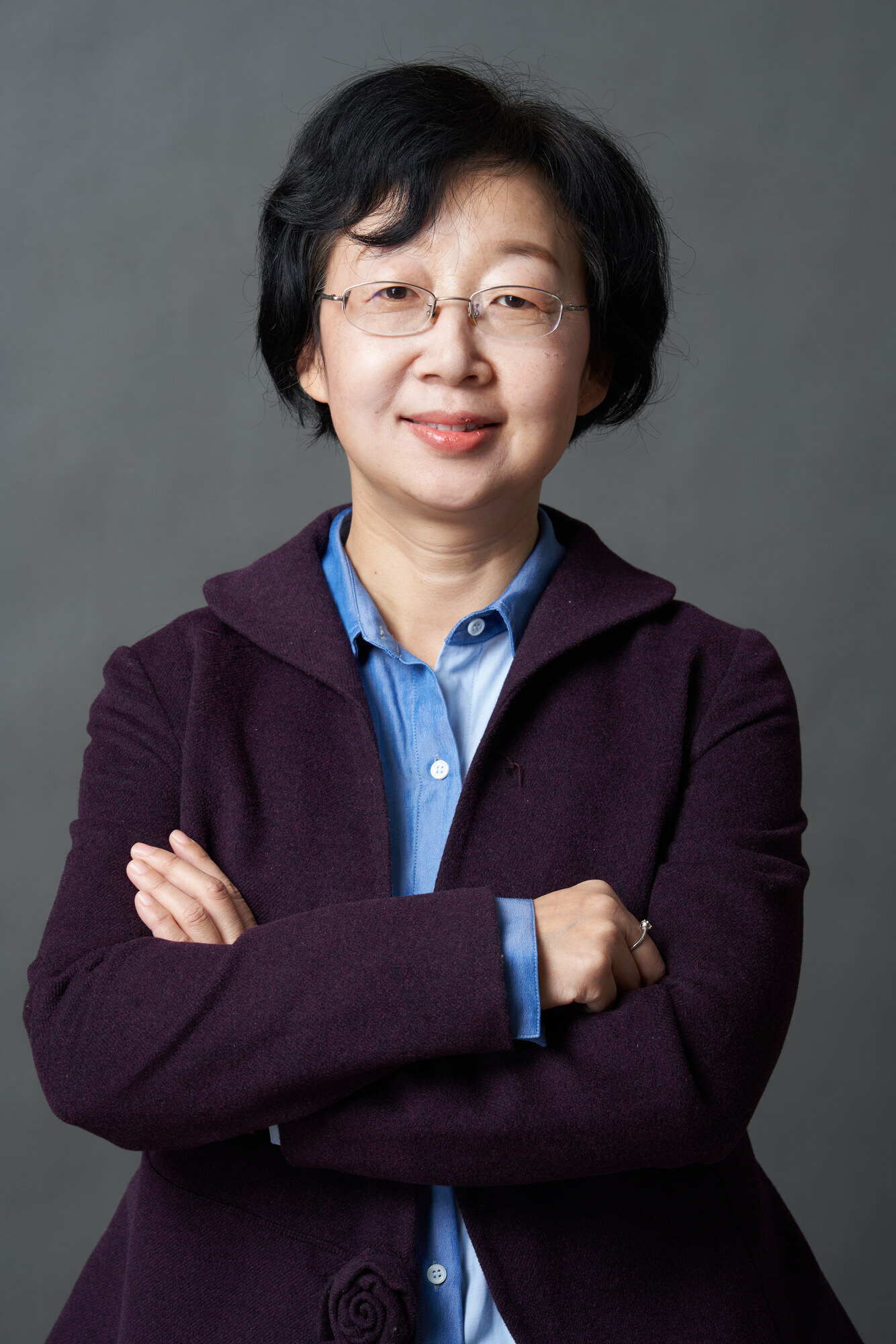
Junzhi Jia
Professor
Renmin University of China
Dr. Junzhi Jia is an professor at the School of Information Resource Management, Renmin University of China. Her research focuses on information organization, ontologies, and metadataband AI literacy. Member of the metadata and AI task group of the DCMI Education Committee. She has published over 170 academic papers and two monographs: Ontology Construction for Chinese FrameNet Ontology and Semantic Association and Aggregation of Chinese Name Authority Records.

Architecting Trust Before Implementation: Governance Design and Policy Readiness in Taiwan’s Data Space Guidance Framework
-
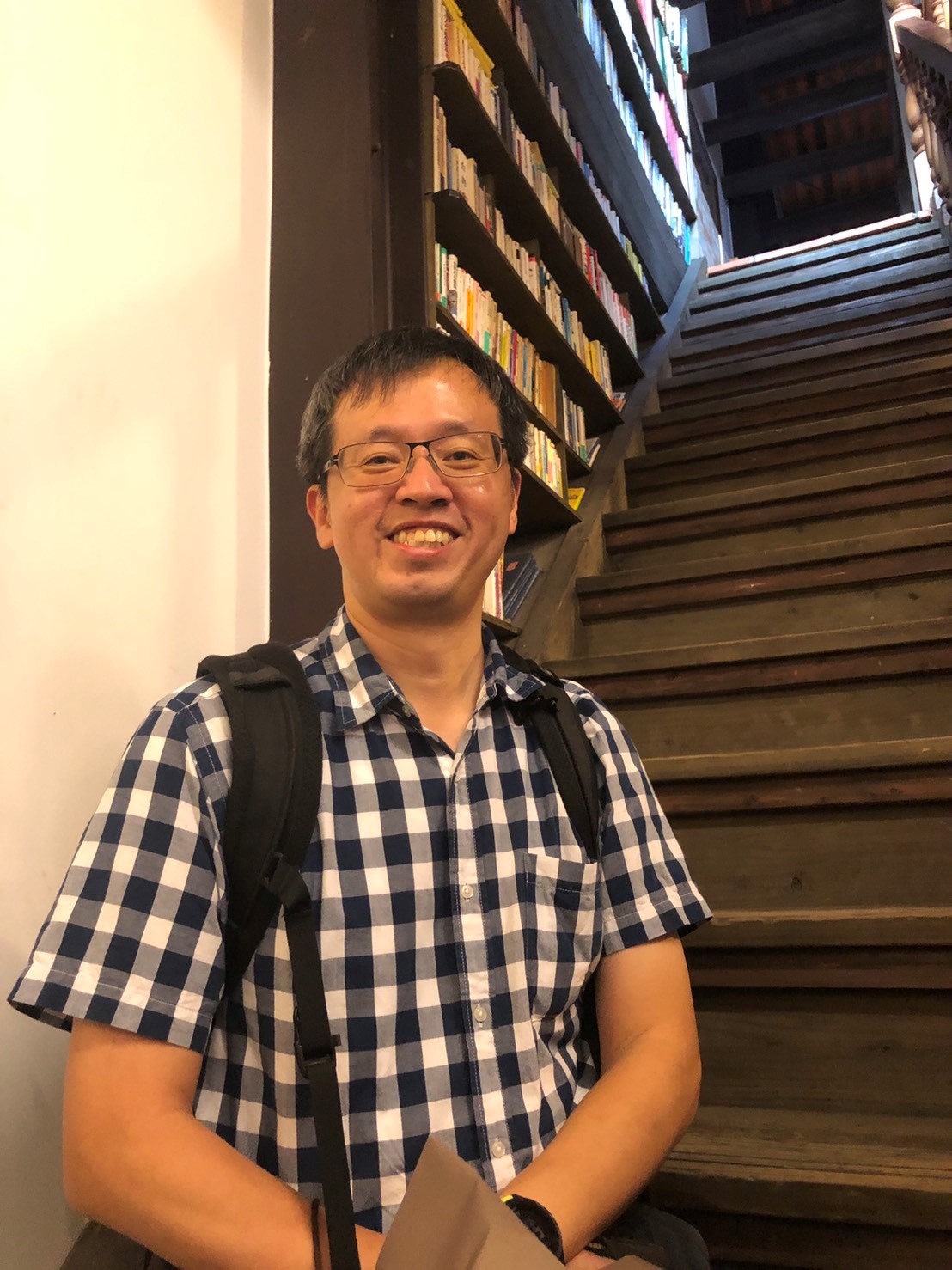
Hao-Ren KE
Dean of School of Learning Informatics
National Taiwan Normal University
Hao-Ren Ke is the Dean of the School of Learning Informatics at National Taiwan Normal University (NTNU). From 2013 to 2022, he held the position of University Librarian at NTNU. In addition to his academic roles, he serves as the President of the Library Association of the Republic of China (Taiwan). Hao-Ren Ke's research interests lie in various areas, including SDGs in libraries, media and information literacy, library performance measurement, digital library/archives, library and information systems, information retrieval, Web mining, and digital humanities.
Between Standards and Practice: Human‑Centered Metadata under Real‑World Constraints
-
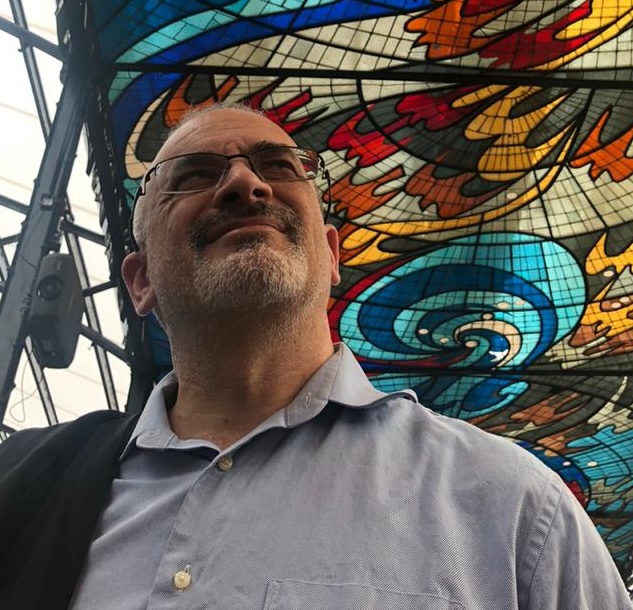
Brian Rosenblum
Director, International Strategies
University of Kansas Libraries
Brian Rosenblum is Director of International Strategies at the University of Kansas (KU) Libraries, where he provides strategic leadership for KU Libraries’ international partnerships, programs, and professional engagement. He also leads the Institute for Globally Engaged Librarianship (IGEL), which advances global collaboration and exchange through library-wide initiatives. He was the founding co-director of KU's Institute for Digital Research in the Humanities (2010–2025). His interests include digital humanities, scholarly communication, open access, and electronic publishing. -
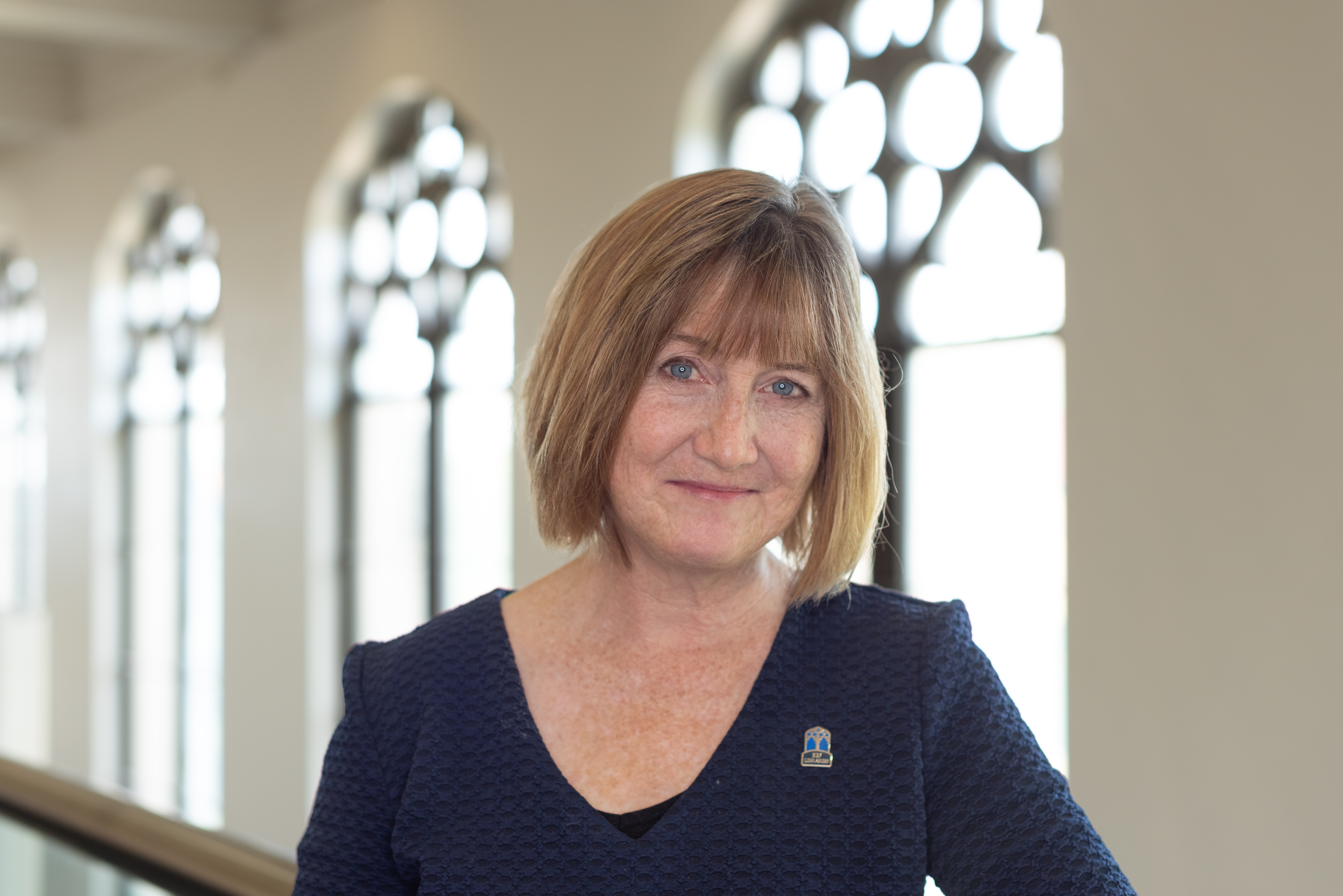
Carol E. Smith
Dean of Libraries
University of Kansas
Carol E. Smith is Dean of Libraries at the University of Kansas in the United States, a role she has held since 2023. Before joining KU, she served as University Librarian at Colorado School of Mines (2016–2023) and Library Director of Adams State University (2012–2016) in Colorado and held a tenured faculty role at the University of Central Missouri (2006–2012). Her current areas of leadership focus include international library partnerships, fostering participatory leadership, and talent development.
BIBFRAME in Practice: Global Perspectives on Implementation, Challenges, and Lessons Learned
-
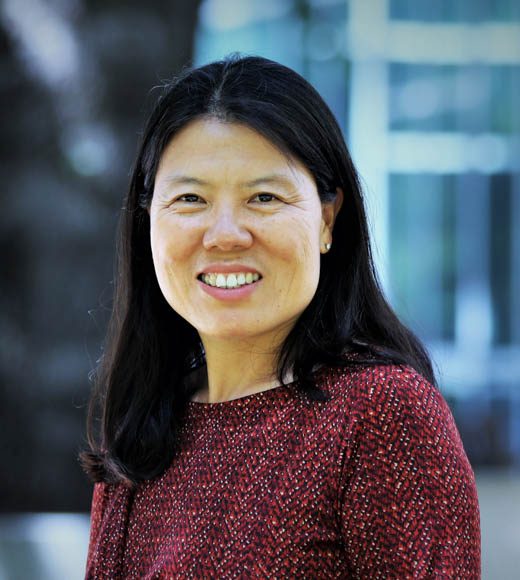
Xiaoli Li
Head of Content Support Services
University of California Davis Library
Xiaoli Li’s work focuses on the practical implementation of linked data in library systems, metadata interoperability, and supporting the library community’s transition from MARC to BIBFRAME. At University of California (UC) Davis, she participated in the library’s BIBFLOW project and has led UC Davis’ participation in collaborative linked data projects, including OCLC’s Project Passage, Linked Data for Production Phase 2, and Blue Core. Xiaoli also served as chair of the BIBFRAME Interoperability Group and has coordinated the Ex Libris Linked Open Data Working Group for the past seven years. -
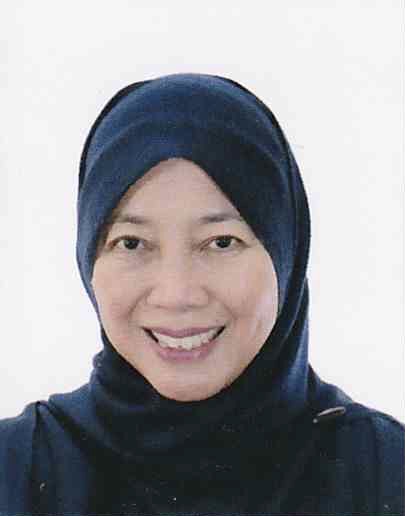
Haliza Jailani
Senior Deputy Director/Senior Principal Librarian
National Library Board Singapore
Haliza Jailani is Senior Deputy Director & Senior Principal Librarian at the National Library Board Singapore. She oversees cataloguing, metadata management and linked data initiatives. Having implemented Dublin Core for digital collections and created metadata crosswalks for Singapore's libraries, archives and museums, she established linked data operations and is now operationalizing AI for metadata processes. Haliza is part of IFLA's Bibliography Section, where she advocates for national bibliographies and the impact of emerging technologies. She also serves in the DCMI Governing Board. -
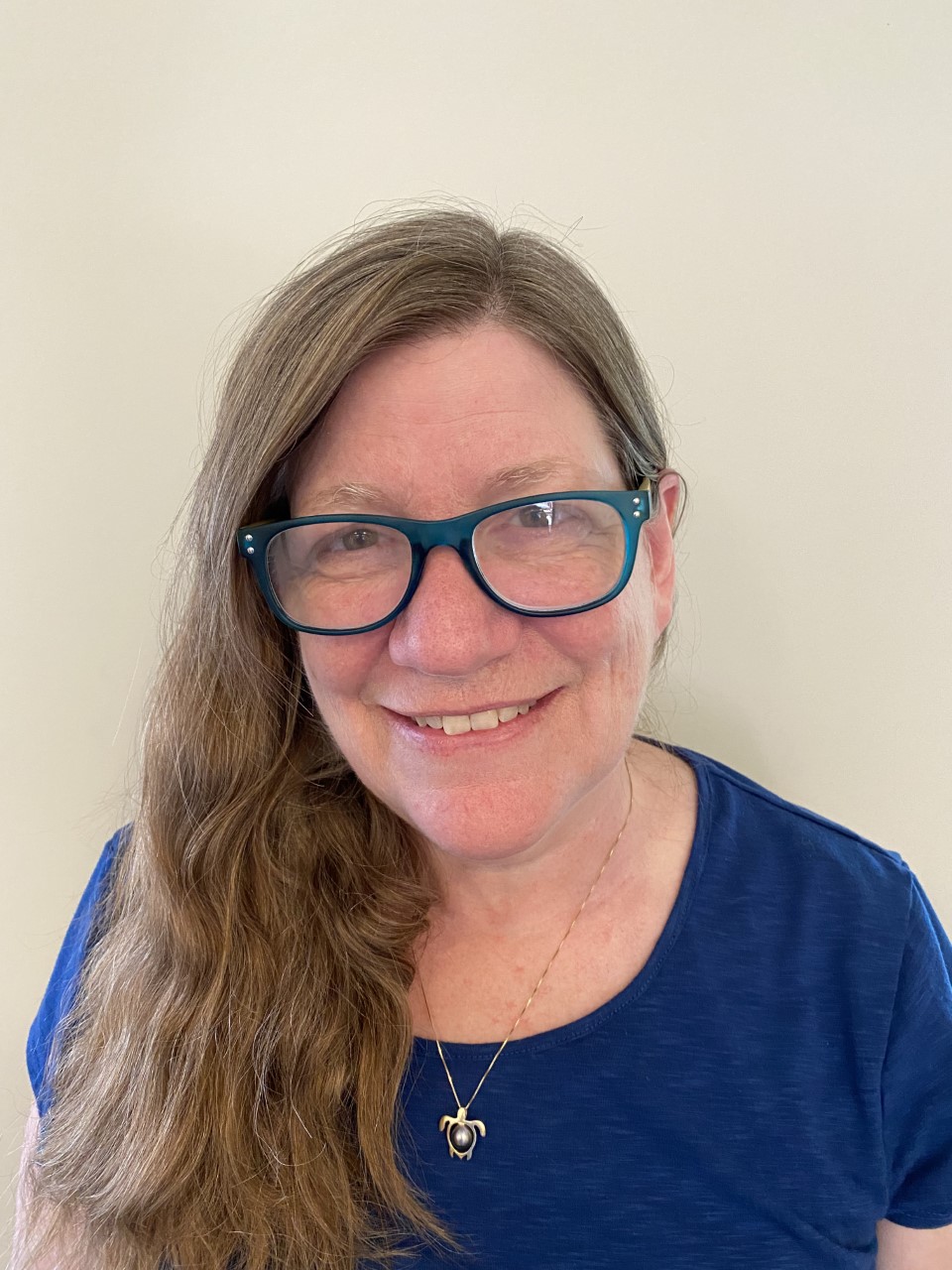
Nancy Lorimer
Associate Director, Metadata Services
Stanford University Libraries
Nancy Lorimer, Associate Director for Metadata Services at Stanford University specializes in BIBFRAME, metadata standards and ontologies. A former music cataloger, she led the development of a BIBFRAME extension for performed music, now being integrated BF proper. She is Chair of the PCC Metadata Application Profiles Working Group, which is responsible for development of BF and RDA application profiles for use by members, chair of the Share VDE Entity Working Group, a member of the BIBFRAME Interoperability Group. Currently she is working on BF metadata workflows for the Blue Core project. -
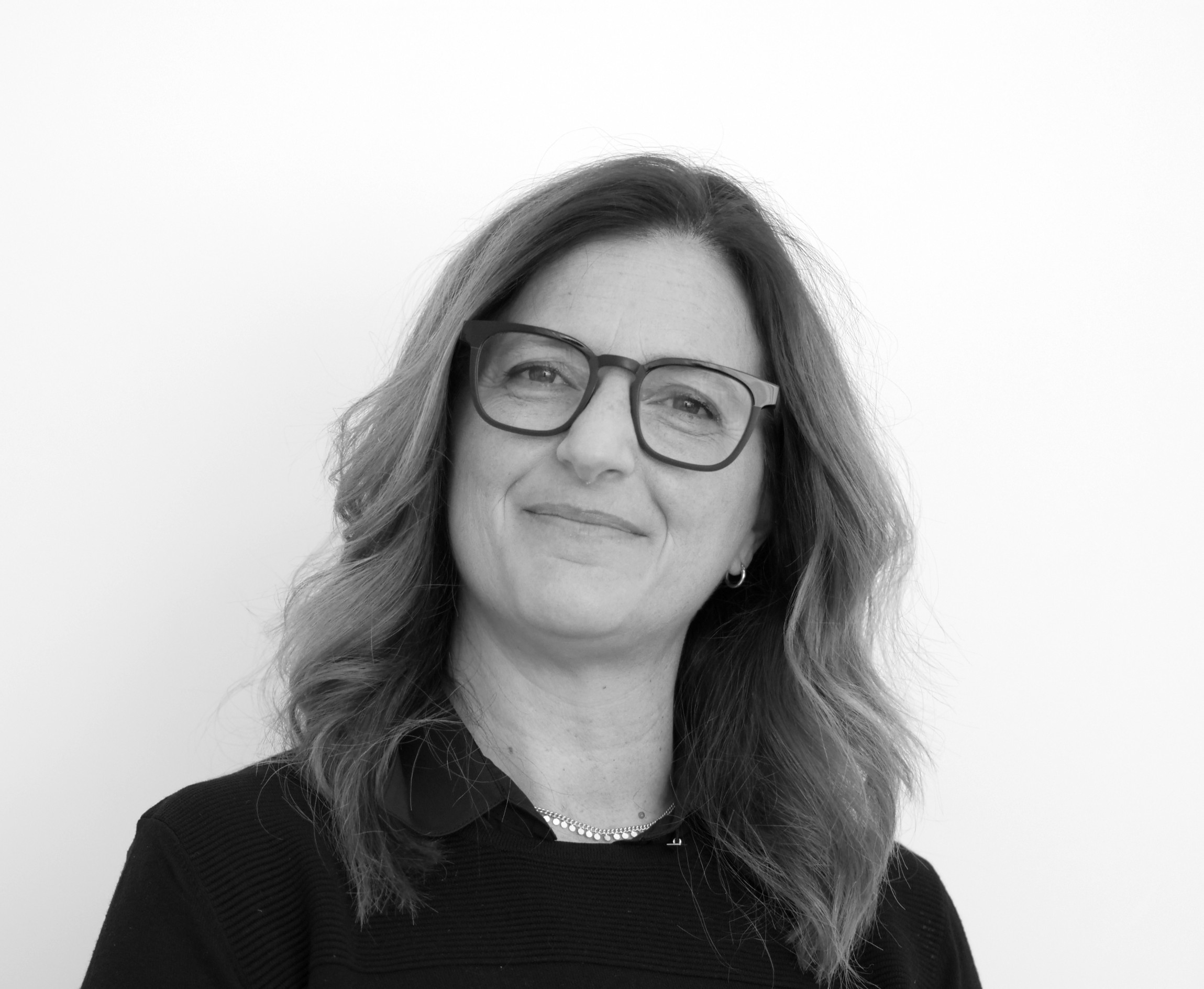
Tiziana Possemato
Founding partner and Director of @Cult (Casalini Libri Group)
@Cult - Casalini Libri Group
Tiziana Possemato holds a degree in Philosophy from Sapienza University of Rome and diplomas in Archival and Library Science from the Vatican Schools. She earned a Master’s degree and a PhD in Library Science from the University of Florence. A metadata specialist, she has led national and international projects on library automation, data analysis, and information retrieval. Her work focuses on Linked Open Data and the Semantic Web. She is a member of the IFLA Bibliography Section and author of numerous publications.
Metadata in Practice: Community Constraints, Institutional Conditions, and Human-Centered Innovation
-
Brian Rosenblum
Director, International Strategies
University of Kansas Libraries
Brian Rosenblum is Director of International Strategies at the University of Kansas (KU) Libraries, where he provides strategic leadership for KU Libraries’ international partnerships, programs, and professional engagement. He also leads the Institute for Globally Engaged Librarianship (IGEL), which advances global collaboration and exchange through library-wide initiatives. He was the founding co-director of KU's Institute for Digital Research in the Humanities (2010–2025). His interests include digital humanities, scholarly communication, open access, and electronic publishing. -
Carol E. Smith
Dean of Libraries
University of Kansas
Carol E. Smith is Dean of Libraries at the University of Kansas in the United States, a role she has held since 2023. Before joining KU, she served as University Librarian at Colorado School of Mines (2016–2023) and Library Director of Adams State University (2012–2016) in Colorado and held a tenured faculty role at the University of Central Missouri (2006–2012). Her current areas of leadership focus include international library partnerships, fostering participatory leadership, and talent development.
Ontology for Meaning-Driven AI: Grounding, Interpretability, and Trust
-
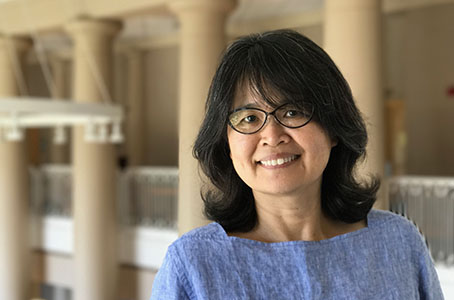
Myung-Ja (MJ) K, Han
Andrew Turyn Processor/Metadata Librarian
University of Illinois Urbana-Champaign
Myung-Ja (MJ) K. Han is the Andrew Turyn Professor and Metadata Librarian at the University of Illinois. Her research focused on digital humanities and metadata studies, with a focus on data interoperability and the use of information technologies. MJ serves on the DataCite Metadata Working Group, the Metadata Object Description Schema (MODS) Editorial Board, and the HathiTrust Program Steering Committee. She previously served as Chair of the Program for Cooperative Cataloging (PCC), an international program that develops and maintains metadata standards adopted by libraries worldwide. -
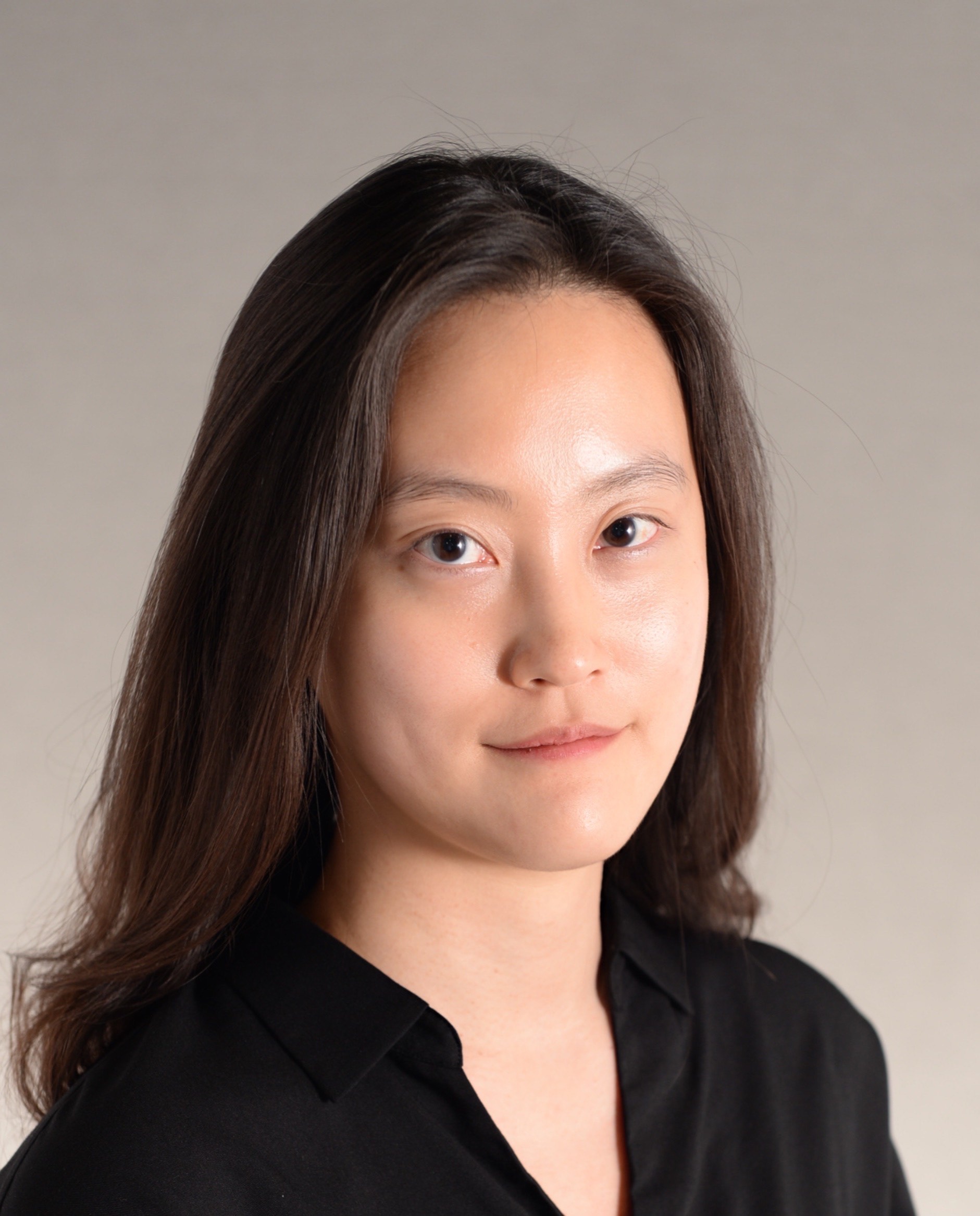
Sumin Leem
Postdoctoral Associate
University of Calgary
Sumin Leem works on applied AI and ontology-driven workflows at Clause Technology and is a Postdoctoral Associate at the University of Calgary. Her work focuses on evidence-grounded approaches to AI-enabled metadata, interpretation, and decision-assist workflows in policy- and regulation-driven settings. She explores how semantic structures and validation practices can support grounding, interpretability, and trust in AI systems that assist expert decision-making. In industry, she builds traceable LLM/RAG workflows that preserve human judgment and semantic control. -
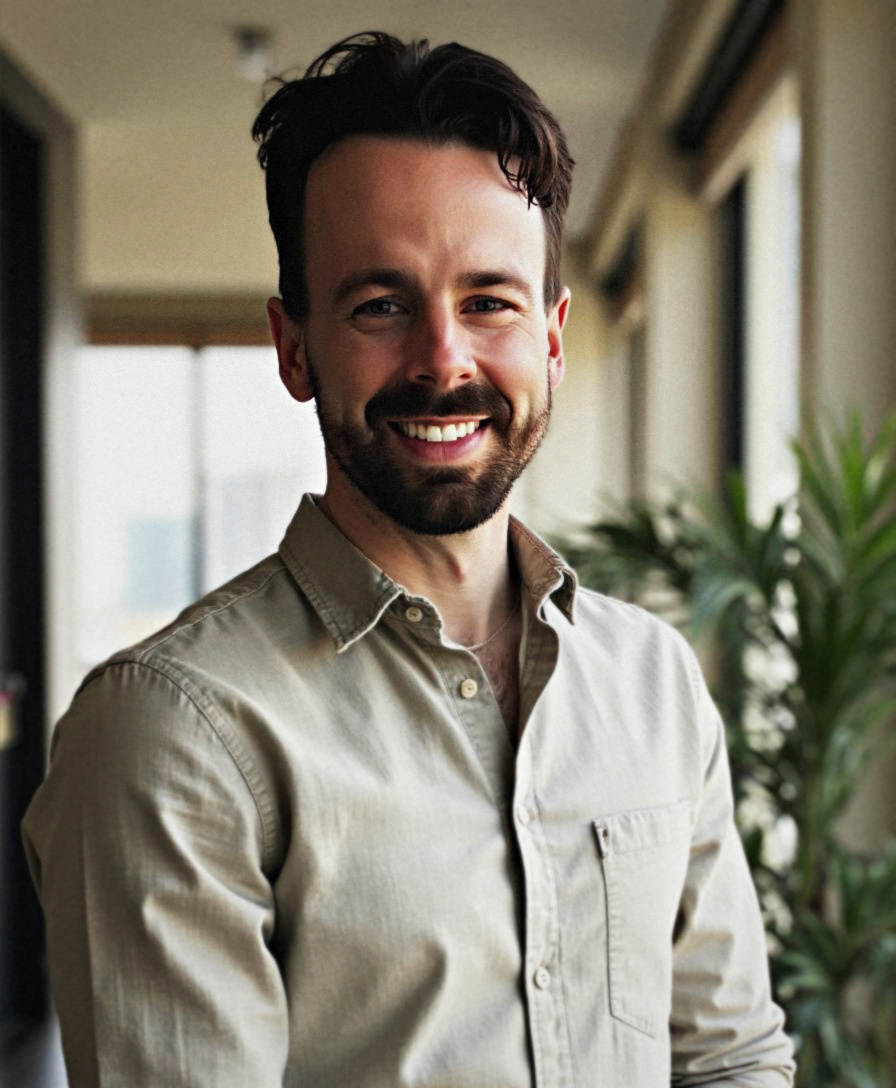
Josh Falconer
Lead Data Taxonomist & Ontologist
The New York Times
Josh Falconer is the incoming Lead Data Taxonomist & Ontologist at The New York Times. He joins from Bloomberg, where he was Senior Ontologist, modeling events and states for an enterprise knowledge graph, and previously was Ontologist at Indeed. For over a decade, he served in bibliographic metadata cataloging roles focusing on Middle Eastern and North African manuscript collections at HMML and the Library of Congress. His research interests center on knowledge organization systems, event representation, and cross-linguistic typology. He holds an MSLIS from UIUC and is now studying computer science at CU Boulder. -

Inkyung Choi
Assistant Professor
Sungkyunkwan University
Inkyung Choi is an Assistant Professor in the Department of Library and Information Science at Sungkyunkwan University. As a current FAIR Fellow, she specializes in metadata architecture, ontology engineering, and knowledge organization, with a focus on implementing FAIR principles to enhance data interoperability and reuse. Her current research focuses on developing a standard-based Knowledge Graph aiming to transform fragmented domain information into sustainable, machine-actionable knowledge infrastructures for AI-driven scientific discovery.
Open Data Spaces — A new distributed data management paradigm in the age of Agentic AI
-
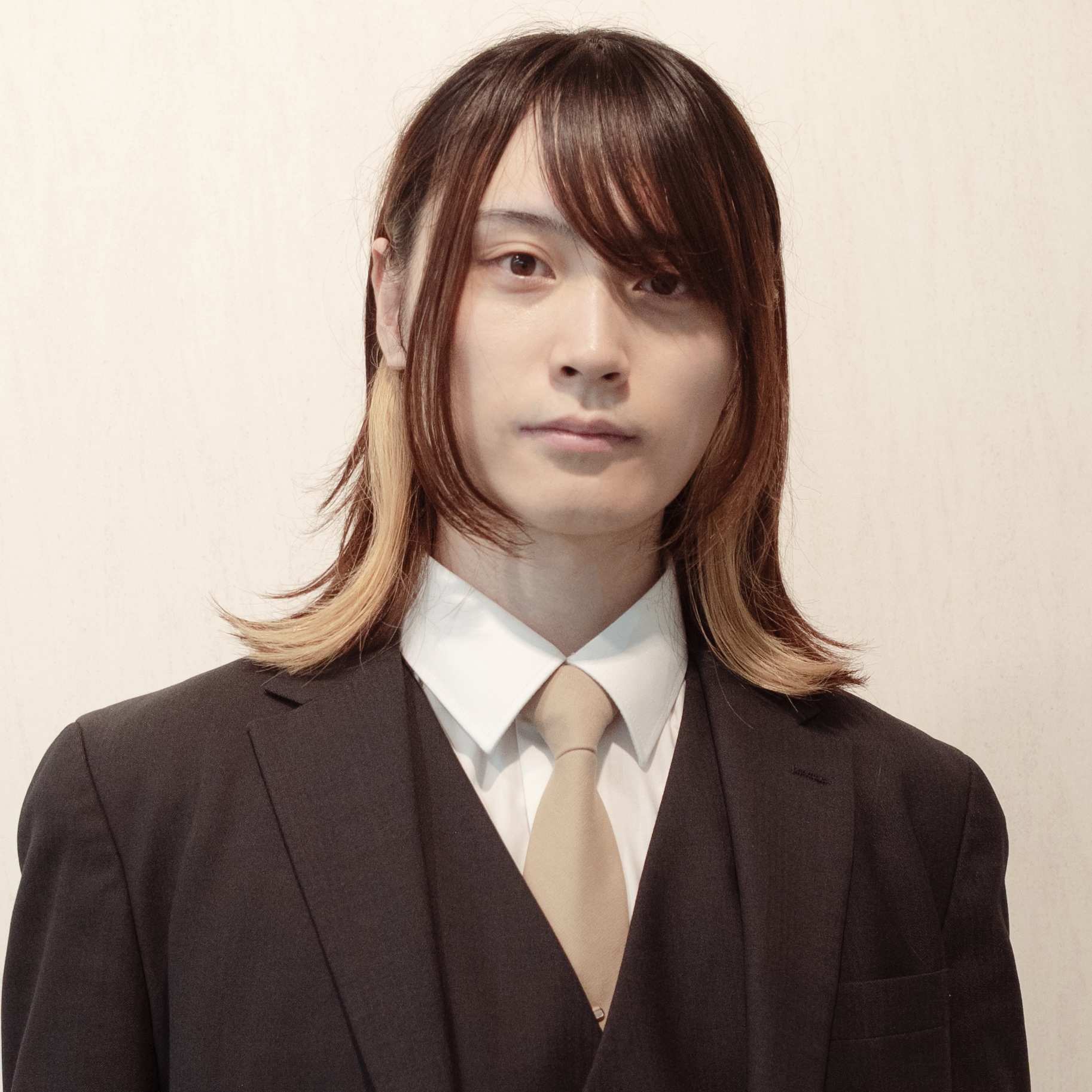
Michitaka Tsuda
Chief Architect
Information-technology Promotion Agency
Born in Japan, in 1997. Graduated from Osaka University (Quantitative Constructivism) and studied at Tallinn University of Technology in Estonia, where he founded a fintech startup. He later joined Japan’s Ministry of Economy, Trade and Industry (METI), working on AI and industrial data policy while serving as the lead author of the Digital Economy Report. He currently serves as the Chief Architect of Open Data Spaces, a distributed data management technology for Agentic AI.
Perspectives on Open Metadata
-
Tom Cramer
Associate University Librarian for Digital Library Systems & Services
Stanford University
Tom Cramer is the Chief Technology Strategist, Associate University Librarian & Director of Digital Library Systems & Services at the Stanford University Libraries. He directs the technical development and delivery of Stanford’s digital library services, including digitization, preservation, discovery and access to digital resources, as well as the LOCKSS program. He is the President of the Open Library Foundation, founder of the International Image Interoperability Framework (IIIF), co-founder of Blue Core and the ai4lam, LD4 and Samvera communities. -
Rochelle Lundy
Director, Office of Scholarly Communications
Stanford University
Rochelle Lundy is the Director of the Office of Scholarly Communications at Stanford University Libraries. She coordinates services related to scholarly publishing, copyright, and open access, including implementation of Stanford University’s open access policy and support for public access to funded research outputs. Prior to her career in academic libraries, she worked as an attorney specializing in copyright and media litigation. -

Wayne Graham
Council on Library and Information Resources
Wayne Graham is the Chief Information Officer and Director of Informatics, Cultural Networks, and Knowledge Systems at the Council on Library and Information Resources. With experience leading open-source projects such as the Digital Library of the Middle East and Neatline, he has developed innovative solutions that leverage technology to advance knowledge sharing. His specialization in spatial humanities, 3D environments, and high-performance computing positions him well to explore new ways to visualize and analyze data and develop digital tools supporting community-based decision-making. -
Amy Warner May
Associate Director, Scholarly Resources
Bodleian Libraries, University of Oxford
Amy Warner May is Associate Director, Scholarly Resources at the Bodleian Libraries, University of Oxford. In this role she a member of the Bodleian’s Exec Team, responsible for Collections Management, Open Research and Digital, and chairs the Digital Committee for Oxford’s Garden’s, Libraries and Museums. Before joining the Bodleian Amy was Associate Director at Royal Holloway, University of London, and worked at the UK National Archives as Head of Systems Development and Search. She is a Board Member of the Digital Preservation Coalition and on the Science Museum Collections Committee. -
Jason Kovari
Cornell University
Jason Kovari serves as Associate University Librarian for Collections and Technical Services at Cornell University, where he oversees policy around collection development and ensures timely access to collections. Relevant to open metadata, Jason has worked on linked open data initiatives for over a decade, focusing primarily on ontology development to extend BIBFRAME for use in the special collections community. His commitment to open metadata reflects his dedication to facilitating broad access to research collections.
W3C standards for Data Spaces
-
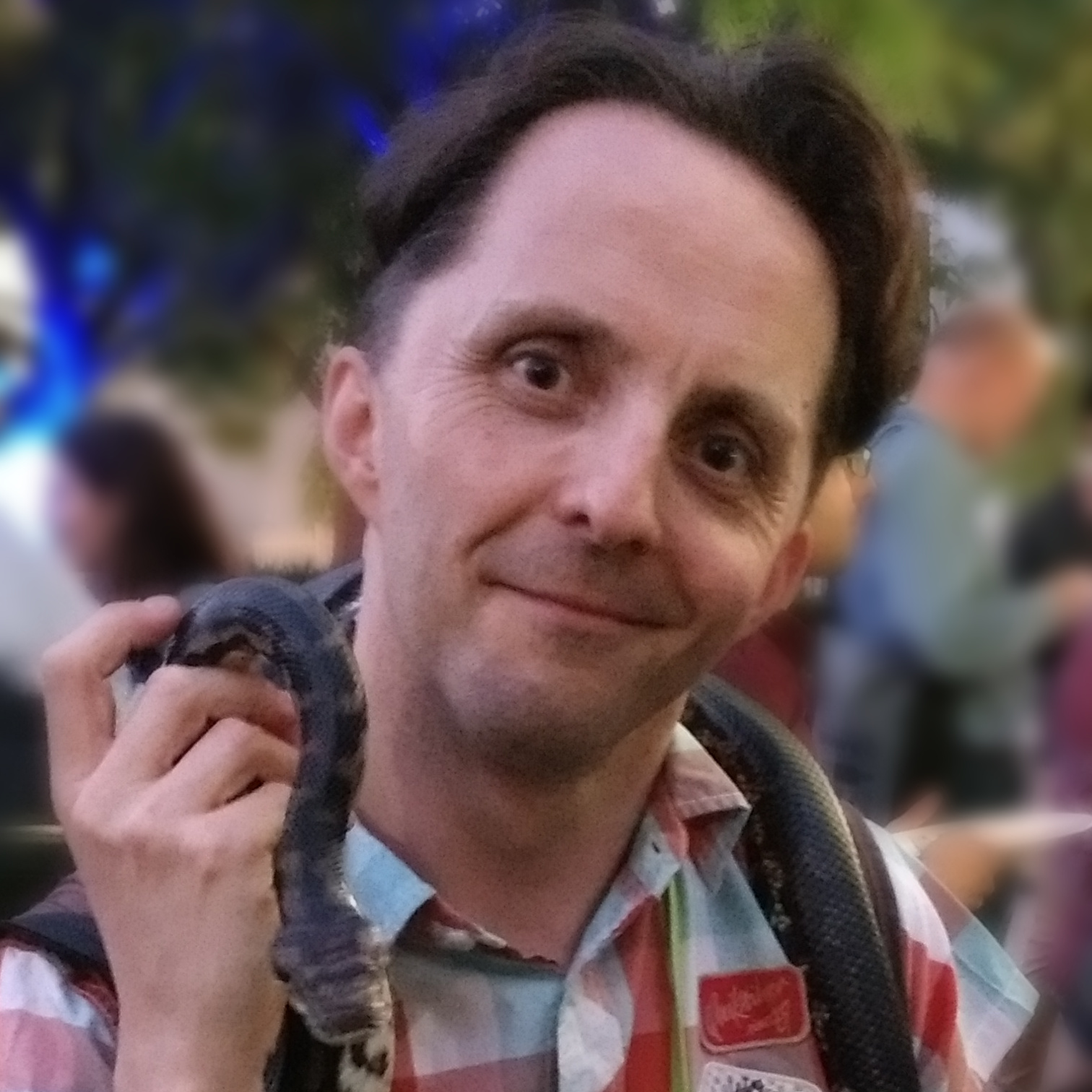
Pierre-Antoine Champin
Principal Data Stragegist
W3C/Inria
Pierre-Antoine Champin joined W3C in February 2021, as a fellow from ERCIM, then from Inria. He is a member of the Technical Strategy Team, with a focus on Data Interoperability. Before that, he has been involved in many Linked Data and Semantic Web related working groups (RDF, JSON-LD...). He has been working with RDF and other Semantic Web technologies for as long as he can remember. Pierre-Antoine received an engineering degree from INSA Lyon in 1997 and a PhD in Computer Science from Université Claude Bernard Lyon 1 in 2002. He is currently based in Lyon, France.
What makes a dataspace hold
-
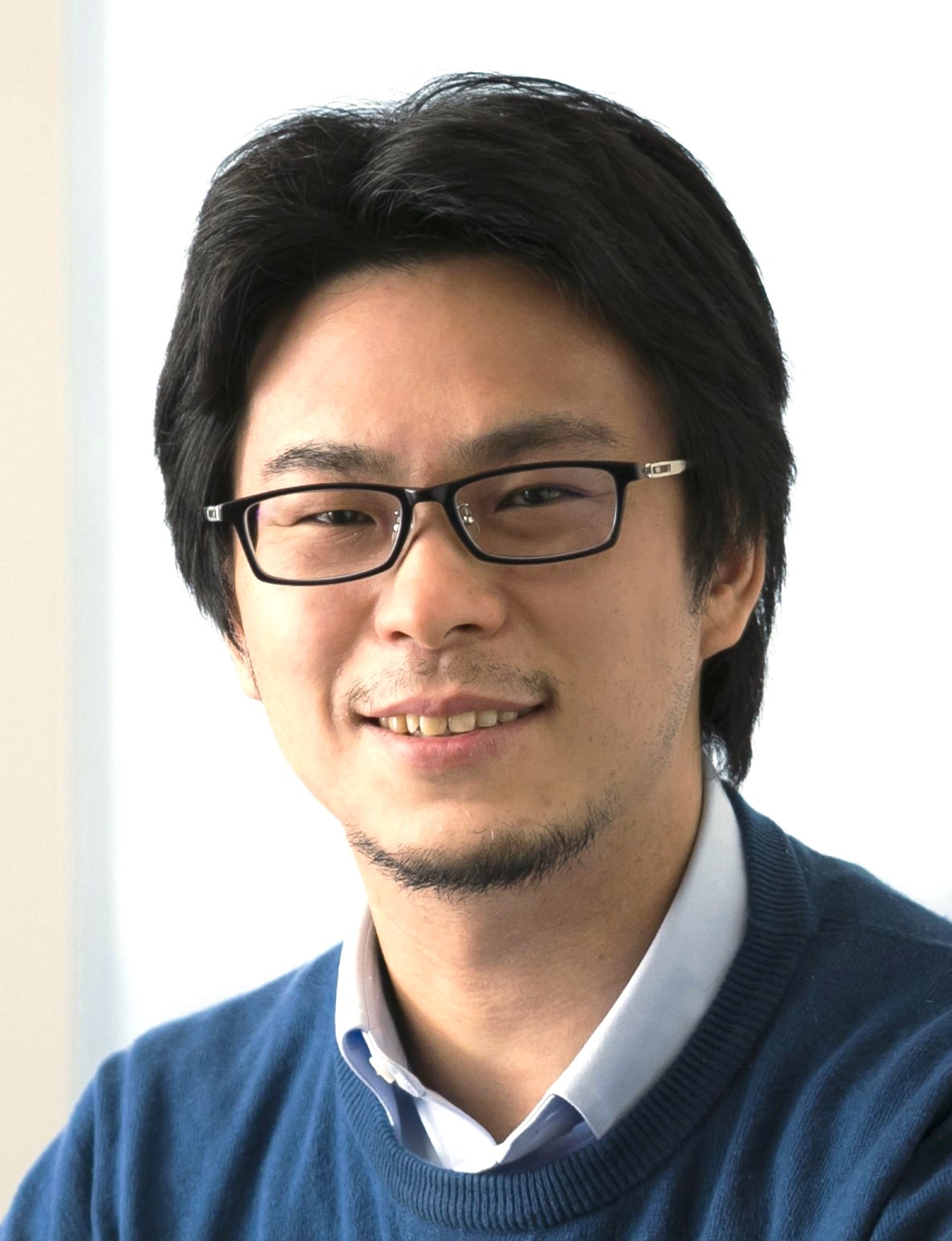
Masaru Dobashi
Executive IT Specialist / Senior Specialist
NTT DATA Group Corporation
Masaru Dobashi is an Executive IT Specialist and Senior Specialist at NTT DATA Group. He specializes in scalable data platforms, distributed processing, open-source technologies, and large-scale data engineering. He has coauthored technical books on Apache Spark, Apache Kafka, and Machine Learning Engineering. His recent work focuses on Data Spaces, enabling trusted data sharing across organizations and industries through interoperable architectures and technology testbeds. He is also a Visiting Researcher at the University of Tokyo and an active contributor to IOFDS, IDSA, and DSA.