Invited Talks
AI-Assisted Metadata Enrichment in Collaborative Knowledge Graphs: Making Implicit Bibliographic Knowledge Explicit while Preserving Transparency
-
Tiziana Possemato
Founding partner and Director of @Cult (Casalini Libri Group)
@Cult - Casalini Libri Group
Tiziana Possemato holds a degree in Philosophy from Sapienza University of Rome and diplomas in Archival and Library Science from the Vatican Schools. She earned a Master’s degree and a PhD in Library Science from the University of Florence. A metadata specialist, she has led national and international projects on library automation, data analysis, and information retrieval. Her work focuses on Linked Open Data and the Semantic Web. She is a member of the IFLA Bibliography Section and author of numerous publications.

AI-Generated Rich Metadata with Deep Visual Descriptions and Intelligent Resource Discovery
-
Haiqing Lin
Head, Technical Services
C. V. Starr East Asian Library, University of California, Berkeley
I am the head of Technical Services and Chinese cataloging librarian of East Asian library, UC Berkeley. As a cataloging librarian of Chinese rare books and other special collections materials, this work drives my research interesting into metadata creation and digital humanities. I emphasize the application of advanced technologies in metadata creation, and have recently centered on leveraging AI to generate rich, AI-friendly metadata. I am currently exploring how to develop AI agents that utilize rich metadata to enhance the discovery and accessibility of local collections.
Detecting AI-Generated Academic Content based on Text Complexity
-
Ming Ren
Vice Dean
School of Information Resources Management, Renmin University of China
Ren Ming is a Professor, Doctoral Supervisor, and Vice Dean at the School of Information Resource Management, Renmin University of China. Her research focuses on big data analytics and applications, AI, and data element markets. She has led multiple national-level research projects, published in leading journals such as JASIST, JOI, TOIS, authored two academic monographs, and led the annual Data Element Marketization Promotion Index report. She serves as a committee member in national and professional societies related to information technology, knowledge organization.
Evaluating the suitability of KCR5 for the exchange and sharing of bibliographic data within the BIBFRAME and RDA
-
Mihwa Lee
Professor
Kongju National University
I graduated from Ewha Women's University, Korea, where I earned my bacelor's, master's, and doctoral degrees. Since 2012, I have been teaching cataloging, metadata and classification at Kongju National University including courses such as RDA cataloging, non-book materials organization, metadata and DDC classification. My primary research interests initially focused on RDA and LRM conceptual model. More currently, I have develped a strong interest in BIBFRAME, which has the potential to replace the MARC format, and facilitate transformation of library bibliographic data into linked data.
Framing Heritage Interpretation: Design Insights from Participatory Heritage Experiences in a Metaverse
-
Hyeseung Shim
Assistant Professor
Hong Kong Shue Yan University (HKSYU), Department of Sociology (Arts, Culture, and Technology Programme)
Hyeseung Shim is an Assistant Professor in the ACT Programme at Hong Kong Shue Yan University. Her research explores human–computer interaction in virtual heritage and virtual museums, focusing on experience design and cultural communication. She has contributed to heritage conservation and management since 2005, including over a decade with the UNESCO World Heritage Centre and UNESCO-affiliated cultural organisations. She advises Korean government heritage agencies, is an expert member of several ICOMOS International Scientific Committees, and served as Symposium Director for CIPA 2025 Seoul.
How DDI became an ISO/PAS 25955 standard and the role of the DC community in this process
-
Ingo Barkow
Full Professor and Chair of the Swiss Institute of Information Science
University of Applied Sciences of the Grisons
Ingo Barkow works at the University of Applied Sciences Graubünden (FH Graubünden) since 2015, initially as a lecturer in data management, then as a professor from 2017, and since 2019 as the director of the Swiss Institute for Information Science. Prior to this, he worked as a Data Manager at the German Institute for International Educational Research (DIPF) in Frankfurt, where he held technical leadership roles in both the Research Data Centre (RDC) and the Centre for Technology-Based Assessment (TBA).
How to use a cloud of Cultural Heritage knowledge graphs in Digital Humanities research: SampoSampo - Connecting Everything to Everything Else
-
Eero Hyvönen
Professor
Aalto University and University of Helsinki, FInland; Geneva Graduate Insititute, Switzerland
Eero Hyvönen (https://seco.cs.aalto.fi/u/eahyvone/) is professor (emer.) of computer science at the Aalto University and director of Helsinki Centre for Digital Humanities (HELDIG) (emer.) at the University of Helsinki. His research has focused since 2001 on developing the national semantic web infrastructure in Finland and its applications for Digital Humanities research.
IIIF Interoperability in Practice: Metadata Profiles and Cross-Platform Reuse for Images, AV, and 3D
-
Martin R. Kalfatovic
Managing Director
International Image Interoperability Framework Consortium
Martin R. Kalfatovic is the Managing Director of the International Image Interoperability Framework Consortium (IIIF-C). In this role, his remit is to expand use of the IIIF standard and APIs, grow participation in the IIIF Consortium, and enhance the global user experience of digital objects across all formats, including images, audio-visual, and 3D. As a long-time advocate for open access and standards, his professional work has been focused on promoting the use and understanding of cultural heritage collections in a global context. He has an inordinate fondness for dodos.
IIIF Interoperability in Practice: Metadata Profiles and Cross-Platform Reuse for Images, AV, and 3D
-
Martin R. Kalfatovic
Managing Director
International Image Interoperability Framework Consortium
Martin R. Kalfatovic is the Managing Director of the International Image Interoperability Framework Consortium (IIIF-C). In this role, his remit is to expand use of the IIIF standard and APIs, grow participation in the IIIF Consortium, and enhance the global user experience of digital objects across all formats, including images, audio-visual, and 3D. As a long-time advocate for open access and standards, his professional work has been focused on promoting the use and understanding of cultural heritage collections in a global context. He has an inordinate fondness for dodos.
Metadata in Research Data Management
-
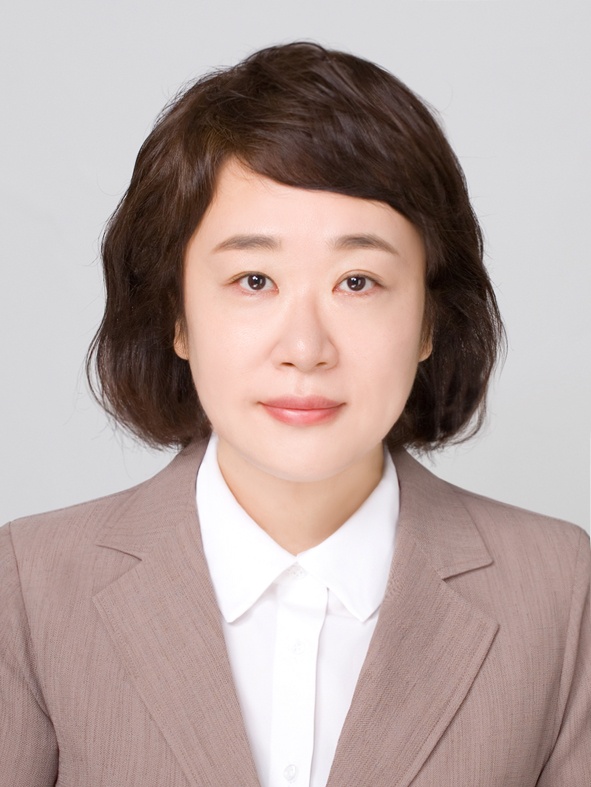
Hyoungjoo Park
Associate Professor
Chungnam National University
Hyoungjoo Park is an Associate Professor in the Department of Library and Information Science at Chungnam National University, Korea. Her research focuses on research data management and linked open data. She teaches courses in information retrieval, scholarly communication, and data curation.
Preservation Metadata for Born-Digital Content: Connecting PREMIS and Descriptive Metadata for Long-Term Stewardship
-
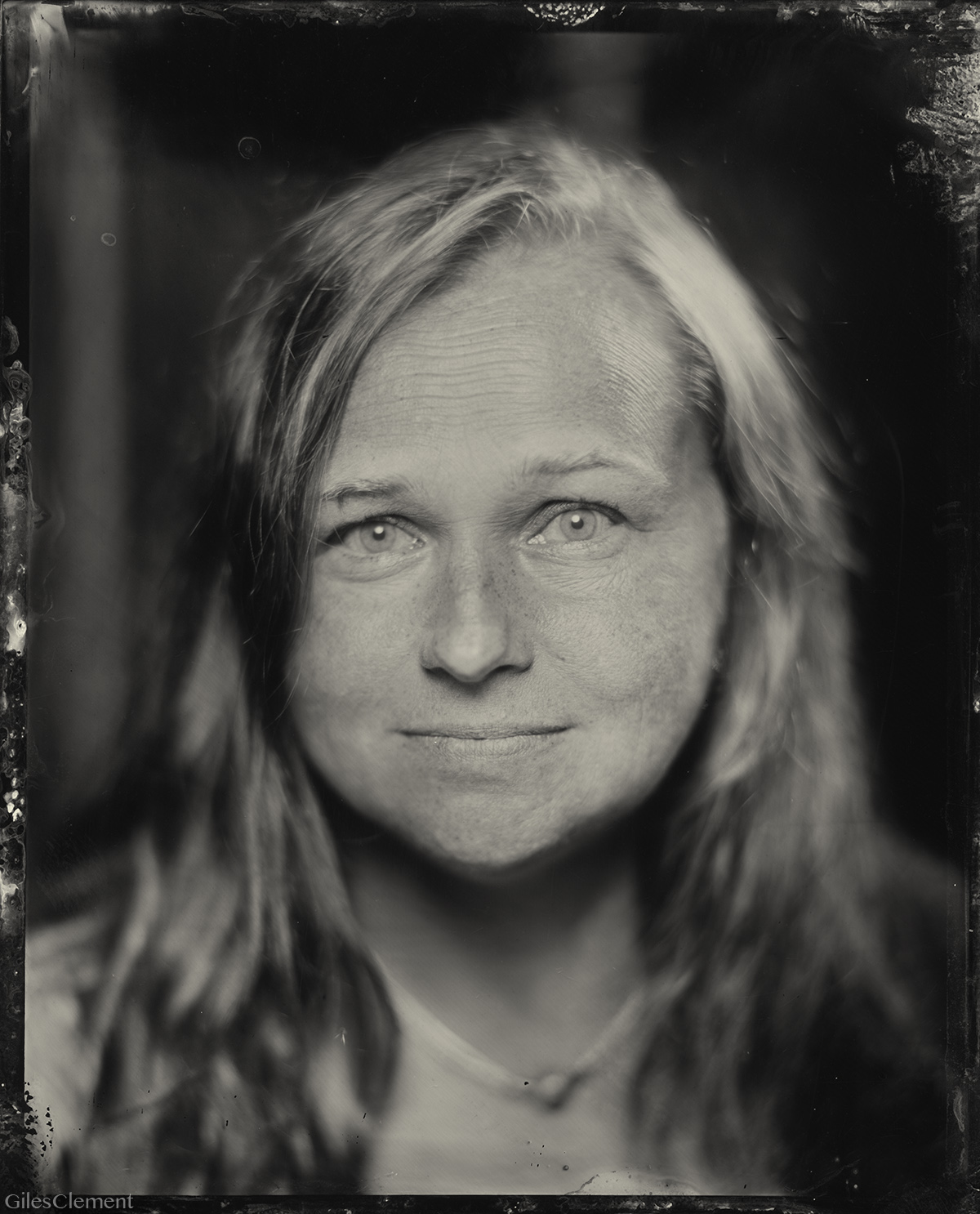
Karin Bredenberg
Metadata Strategist
Kommunalförbundet Sydarkivera
Karin Bredenberg, metadata strategist at Kommunalförbundet Sydarkivera. She graduated in Computer Engineering (programming C#) with a BSc at Stockholm’s Royal Institute of Technology (KTH) in 2006. She currently serves as the Chair of PREMIS EC, Co-Chair of TS EAS and Chair of the DILCIS Board, as well as being a member of the METS Board and the iPres Steering Group. Bredenberg has had different roles as a standards specialist since 2009 and has been a part of the European initiative E-ARK.
Re-using the ParliamentSampo framework and Sampo-UI to publish assembly minutes of the League of Nations (1920-1946), Inter-Parliamentary Union (1889-), and United Nations (1946-), and for Digital Humanities research on the Semantic Web
-
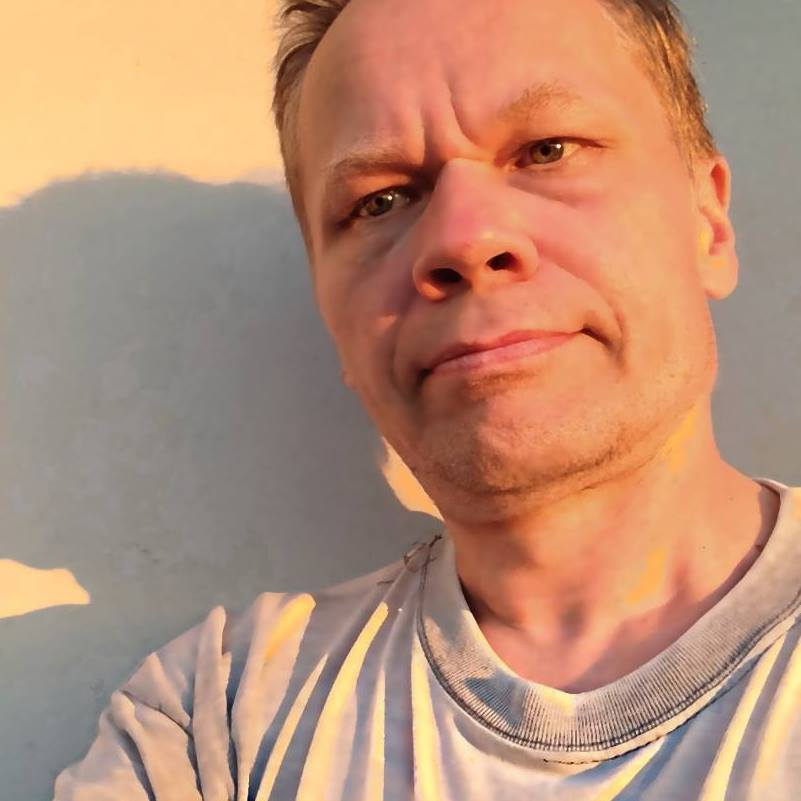
Petri Leskinen
postdoctoral researcher
University of Helsinki
Petri Leskinen is a postdoctoral researcher at the University of Helsinki and the Geneva Graduate Institute. He completed his doctoral dissertation in 2024 on biographical data and data analysis. His research focuses on biographical data, cultural heritage knowledge graphs, prosopography, and linked open data infrastructures for digital humanities. He has been one of the main engineers in developing systems such as SampoSampo, LetterSampo, and ParliamentSampo to support data-intensive historical research. -
Eero Hyvönen
Professor
Aalto University and University of Helsinki, FInland; Geneva Graduate Insititute, Switzerland
Eero Hyvönen (https://seco.cs.aalto.fi/u/eahyvone/) is professor (emer.) of computer science at the Aalto University and director of Helsinki Centre for Digital Humanities (HELDIG) (emer.) at the University of Helsinki. His research has focused since 2001 on developing the national semantic web infrastructure in Finland and its applications for Digital Humanities research.