Best Practices
AI-Assisted Cataloging in Practice: A Human-in-the-Loop Approach to Scalable Metadata Creation
-
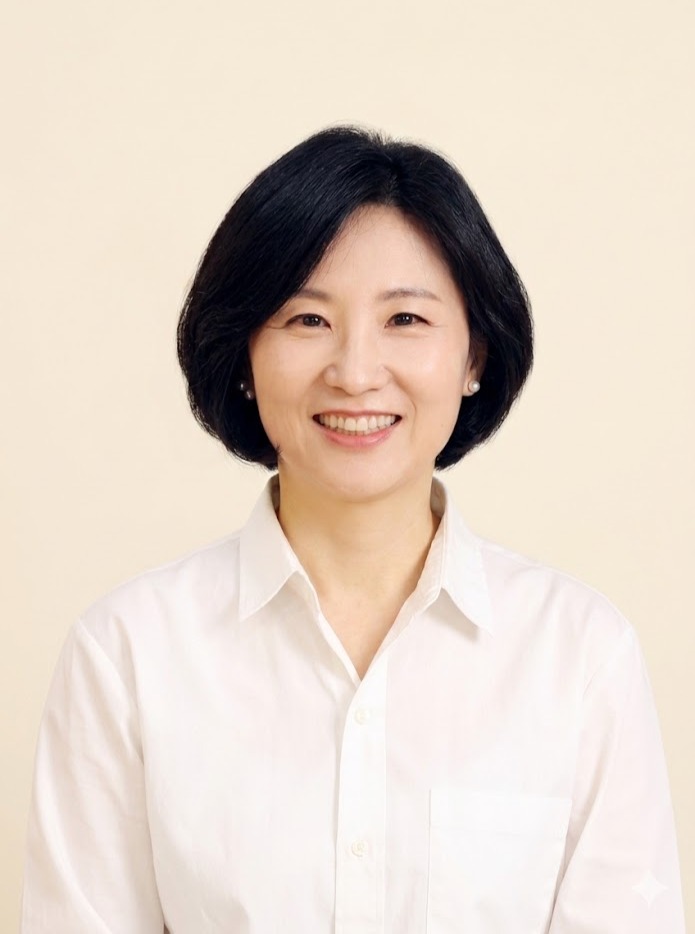
Mi-kyeong Kam
Principal Librarian
National University of Singapore
Kam Mi-Kyeong is a Principal Librarian in the Collections Management & Preservation Cluster at NUS Libraries. She leads the Resource Organization Team, overseeing metadata services, e-resource management, and resource organization workflows. Her work focuses on library systems and process improvement, leveraging information technologies to optimize resource management in support of research, teaching, and learning. Her professional interests include metadata innovation, workflow automation, and the strategic application of AI to enhance library services and operational efficiency.
Building JATS XML Scholarly Data at the National Library of Korea: Achievements and Plans for Opening AI Training Data
-

Hyesun Han
Librarian
National Library of Korea
Hyesun Han is a librarian at the National Library of Korea. She has built broad expertise across core library operations, including subject and research information services, collection management, cataloging, foreign materials acquisition, and international publication exchange. Currently, as part of the Digital Initiatives Division, she is responsible for advancing the Open Access Korea (OAK) initiative to build and disseminate national knowledge information.
Establishing and Disseminating the K-Museum Data Standard at the National Museum of Korea(NMK)
-
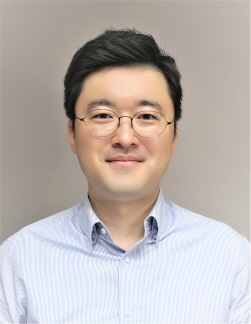
Youngmin Ko
Curator
National Museum of Korea(NMK)
Youngmin Ko is a curator at the National Museum of Korea. His work focuses on museum information management, digital curation, metadata, and the organization of cultural heritage information. He is interested in improving the interoperability, discoverability, and reuse of information across digital environments. His recent work includes projects related to metadata standards, data curation, and knowledge systems in cultural heritage and scholarly communication contexts.
From Cataloguing Rules to Community Best Practices: Governing Collaborative Entity-Based Knowledge Graphs
-
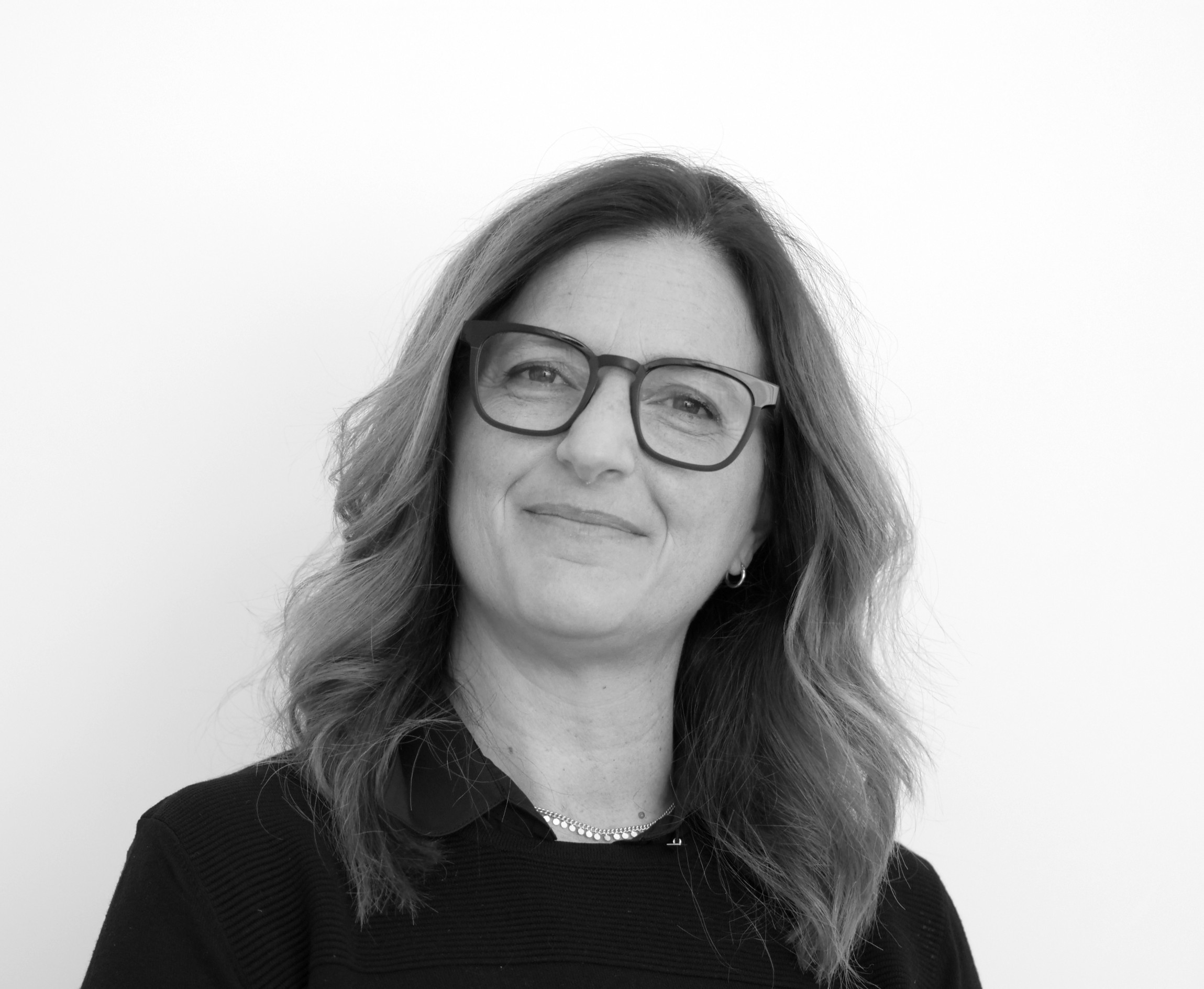
Tiziana Possemato
Founding partner and Director of @Cult (Casalini Libri Group)
@Cult - Casalini Libri Group
Tiziana Possemato holds a degree in Philosophy from Sapienza University of Rome and diplomas in Archival and Library Science from the Vatican Schools. She earned a Master’s degree and a PhD in Library Science from the University of Florence. A metadata specialist, she has led national and international projects on library automation, data analysis, and information retrieval. Her work focuses on Linked Open Data and the Semantic Web. She is a member of the IFLA Bibliography Section and author of numerous publications.
From Records to Entities: Open Metadata Infrastructure for Consortial E-Book Resource Sharing
-
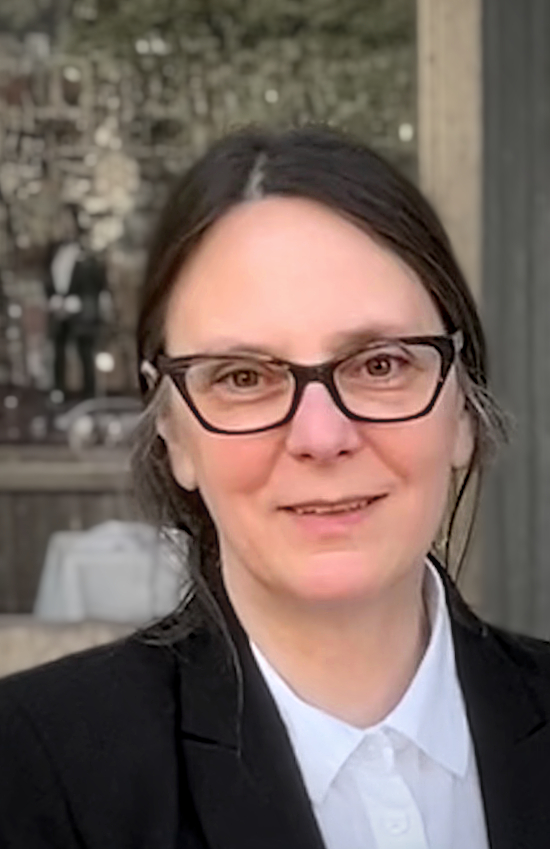
Nina Servizzi
Associate Dean, Knowledge Access and Resource Management Services
New York University
Nina Servizzi is Associate Dean for Knowledge Access and Resource Management Services at New York University Libraries. Her work focuses on how libraries and cultural heritage institutions develop and sustain information infrastructures that support research and scholarship. She examines organizational adaptation, systems interoperability, and data governance as essential components of resilient information environments. She serves on the HathiTrust Program Steering Committee, contributes to IFLA, and is past Chair of the Share-VDE Advisory Council.
From Six Years to Six Hours: Prerequisites and Implications of AI-Assisted Development in a Library Context
-
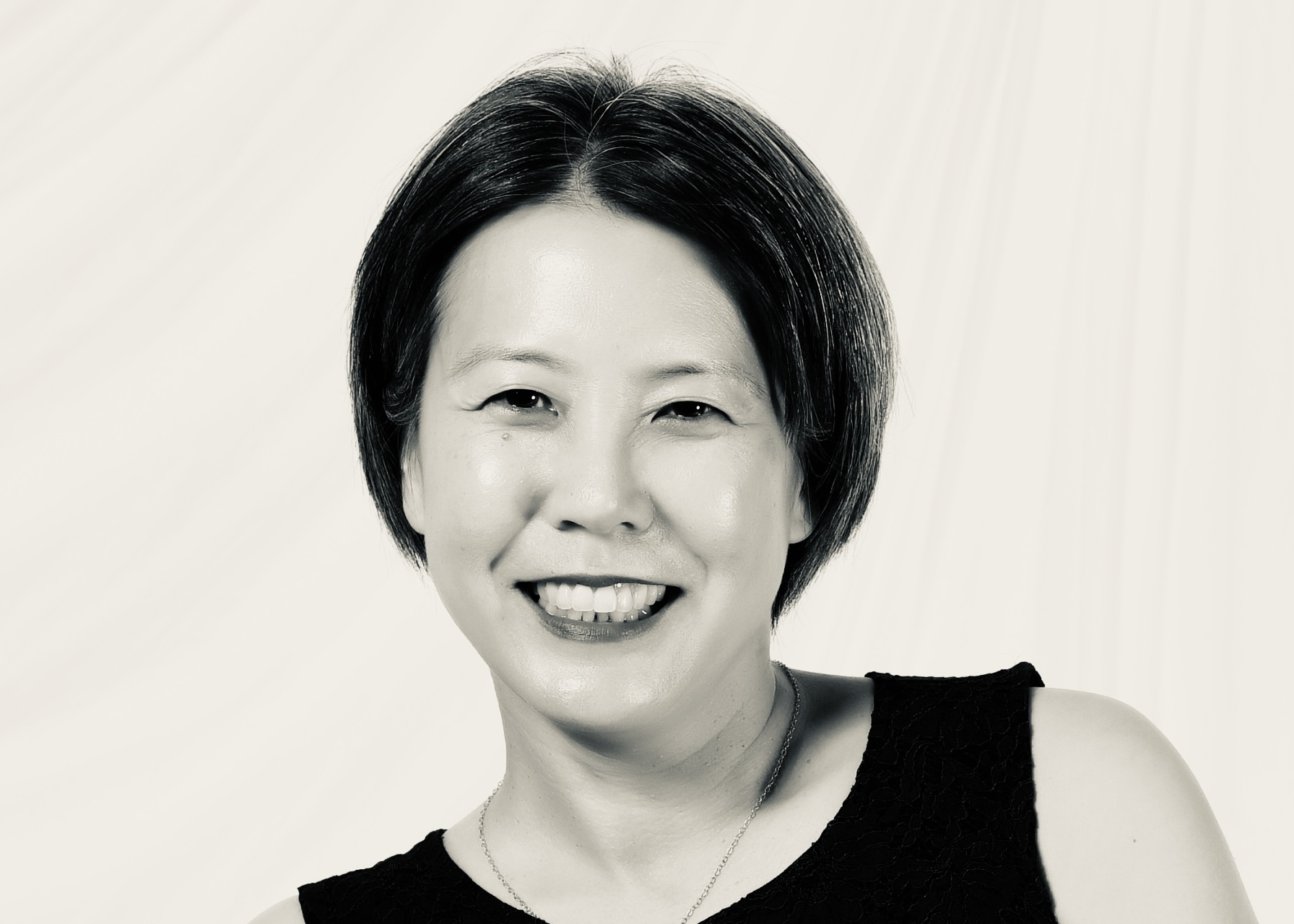
May Chan
Head, Metadata Services
University of Toronto
May Chan is Head, Metadata Services at the University of Toronto Libraries, with 17 years of prior experience in public libraries at Vancouver and Burnaby, British Columbia. A Carpentries Instructor Trainer, she is committed to building computational and technical literacy among library practitioners, and has been active in cataloguing training and professional development in a variety of roles throughout her career. May currently serves as co-chair of the PCC Standing Committee on Training and the SCT Linked Data Training Task Group.
From the discovery service to the academic knowledge platform - the challenge at CiNii -
-
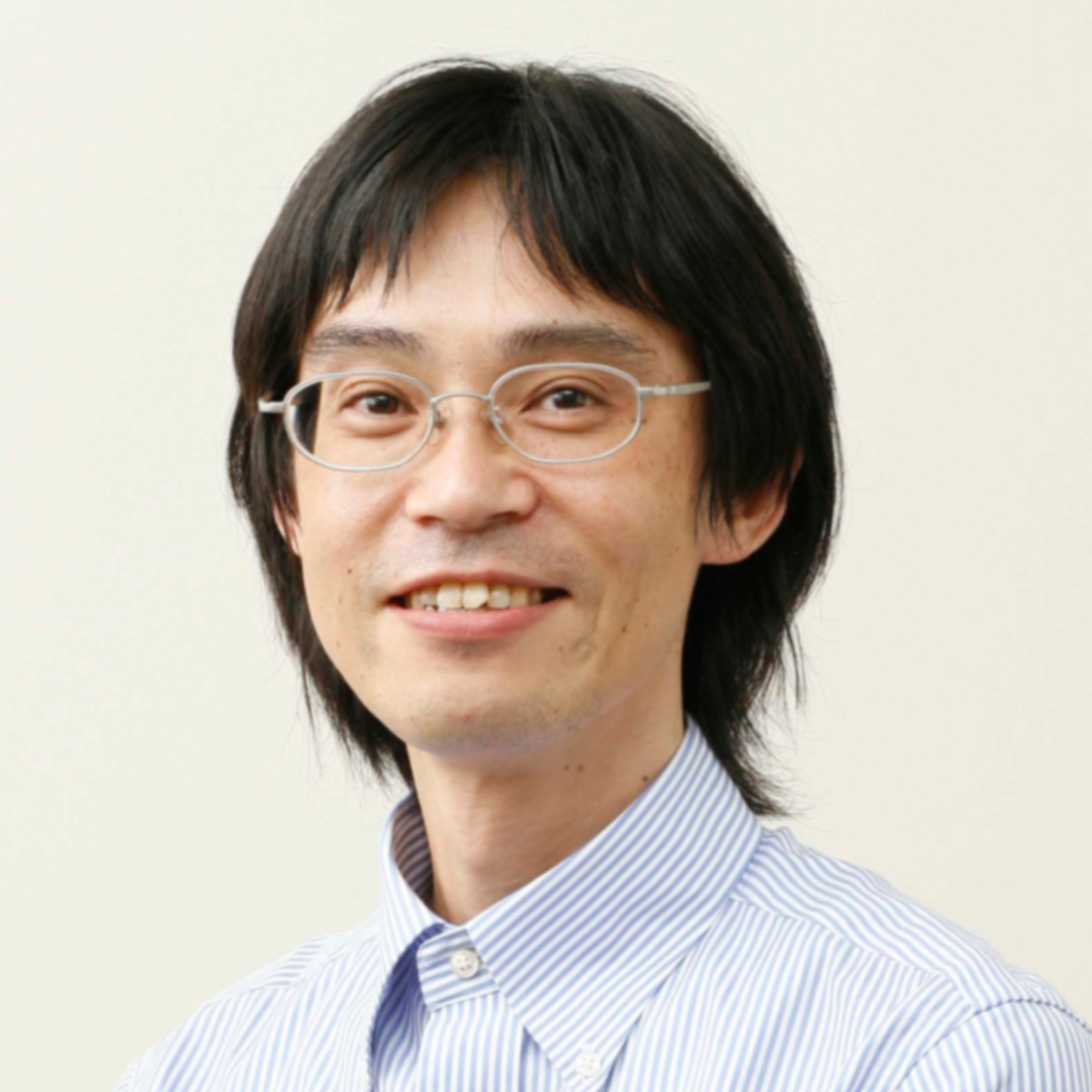
Hideaki Takeda
Professor/Director
National Institute of Informatics
Dr. Hideaki Takeda is Professor and Director of the Principles of Informatics Research Division at the National Institute of Informatics (NII), Japan. His research focuses on knowledge sharing systems, the Semantic Web, ontology and design theory. He is also Director of Research Center for Knowledge Media and Content Science (KMCS) at NII. As Director of KMCS, he leads the development of CiNii, the discovery service for academic resources in Japan. He is a board member of the International DOI Foundation and a board member of CLOCKSS.
GenAI-Assisted Deep Interpretation via Commentary Knowledge Graphs
-
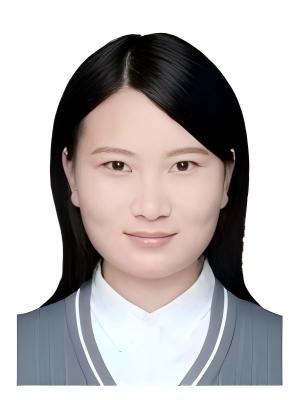
Mengjuan Weng
Postdoctoral Researcher
School of Journalism and Communication, Wuhan University Intelligent Computing Laboratory for Cultural Heritage, Wuhan University
Mengjuan Weng is a Postdoctoral Researcher at the School of Journalism and Communication, Wuhan University, and a researcher at the Intelligent Computing Laboratory of Cultural Heritage. Her research focuses on knowledge organization and digital humanities, particularly knowledge modeling in specialized textual genres. She has published over ten papers, contributed to major national research projects, published a book chapter, and contributed to a patent and technical standard. She also serves as a reviewer for the ASIST Annual Meeting and Information Processing & Management.
Modeling, Linking, and Augmenting Video Game Archive: Practices from the RCGS Collection
-
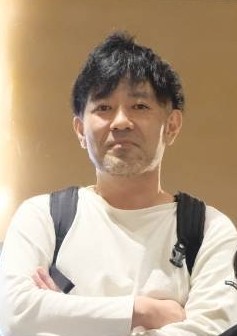
Kazufumi Fukuda
Associate Professor
College of Image Arts and Sciences, Ritsumeikan University
Kazufumi Fukuda, Ph.D., is an Associate Professor at Ritsumeikan University specializing in game studies, digital humanities, and knowledge graphs. His research explores the preservation and analysis of video game archives through metadata modeling, linked data, and data science. He is involved in developing game archive infrastructures and contributes to national projects on media arts databases, bridging academic research and practical applications.
Multi-Source Data Fusion-Driven AI Cataloging System: A Practical Case in Metadata Management
-
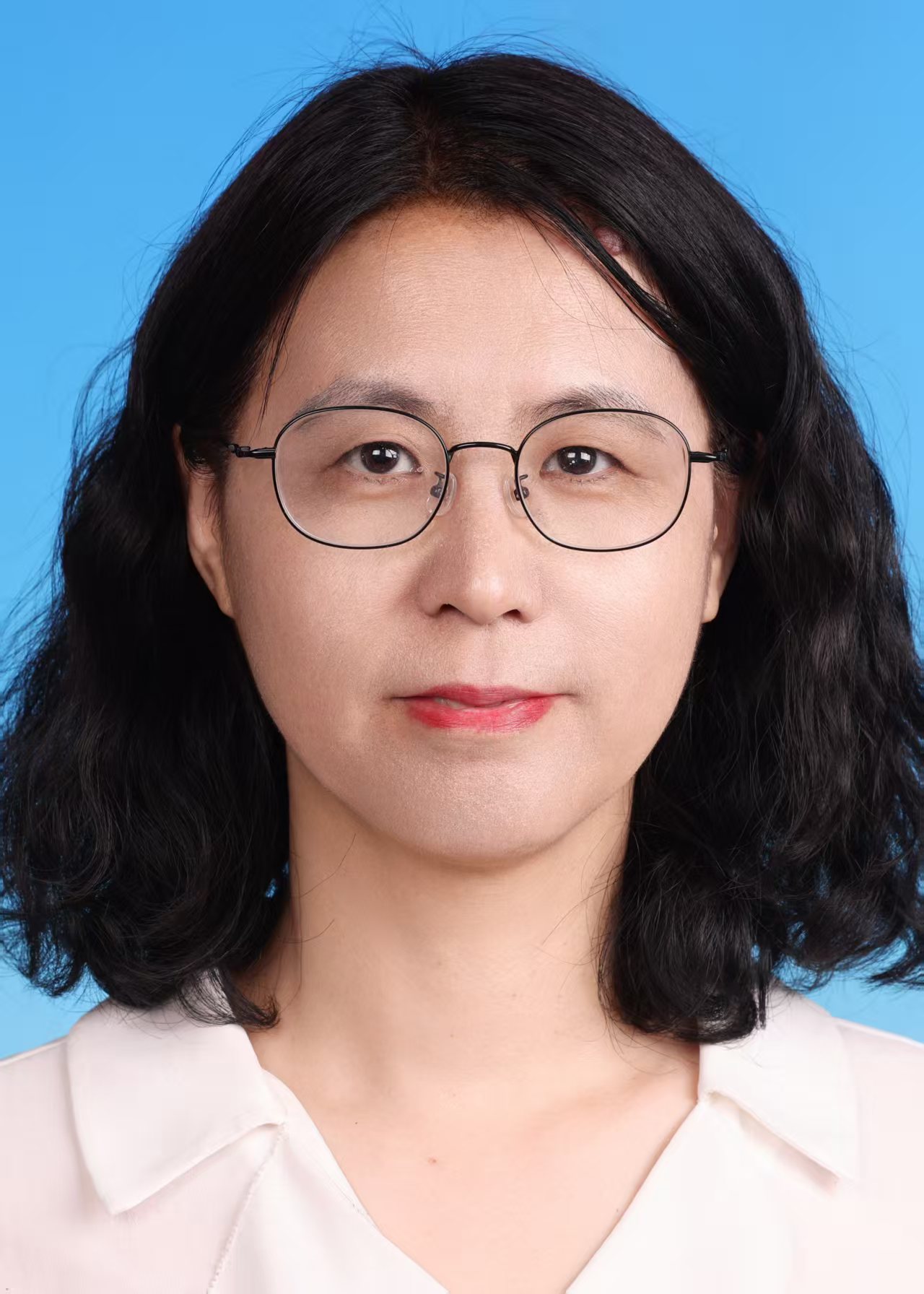
Juan Zhang
Deputy Director
Capital Library of China
Juan Zhang serves as Deputy Director of the Capital Library of China and holds the title of Research Librarian. She is a member of the Information Organization Subgroup under the Academic Research Committee of the Library Society of China, also a member of the National Technical Committee for Standardization of Identification and Description.She has participated in drafting national standards such as Professional Specifications for Public Libraries and Information and Documentation—Resource Description.
Preparing for BIBFRAME through LOD Operations Experience
-
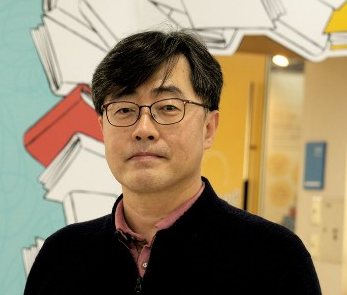
Seungmun Ahn
Librarian
National Library of Korea
Seungmoon Ahn is a librarian at the National Library of Korea and has worked in the areas of digitization of library resources, information services, and the development and use of bibliographic data. Since 2024, he has been working in the Metadata and Sustainable Access Division of the NLK, where he is responsible for national bibliographic data standardization, Korean Library Information System Network (KOLIS-NET), and the publication of Linked Open Data (LOD) as part of national bibliography-based services.
Sustainable Linked Open Data Publishing through Static Site Generation: A Decade of Educational LOD Infrastructure
-
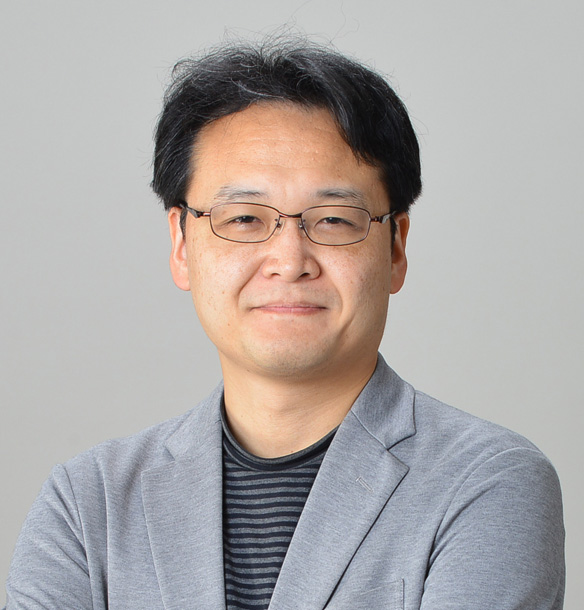
Masao Takaku
Associate Professor
Institute of Library, Information and Media Science, University of Tsukuba
Masao Takaku is an Associate Professor in the Institute of Library, Information and Media Science at the University of Tsukuba. His research focuses on digital libraries and information organization, with recent work on metadata and knowledge graph development for cultural heritage and educational use. He also teaches information organization and related subjects at both undergraduate and graduate levels and works on knowledge infrastructure design across diverse domains.
Weaving together the threads: Laying the foundations for a metadata strategy at the Bodleian Libraries, University of Oxford
-
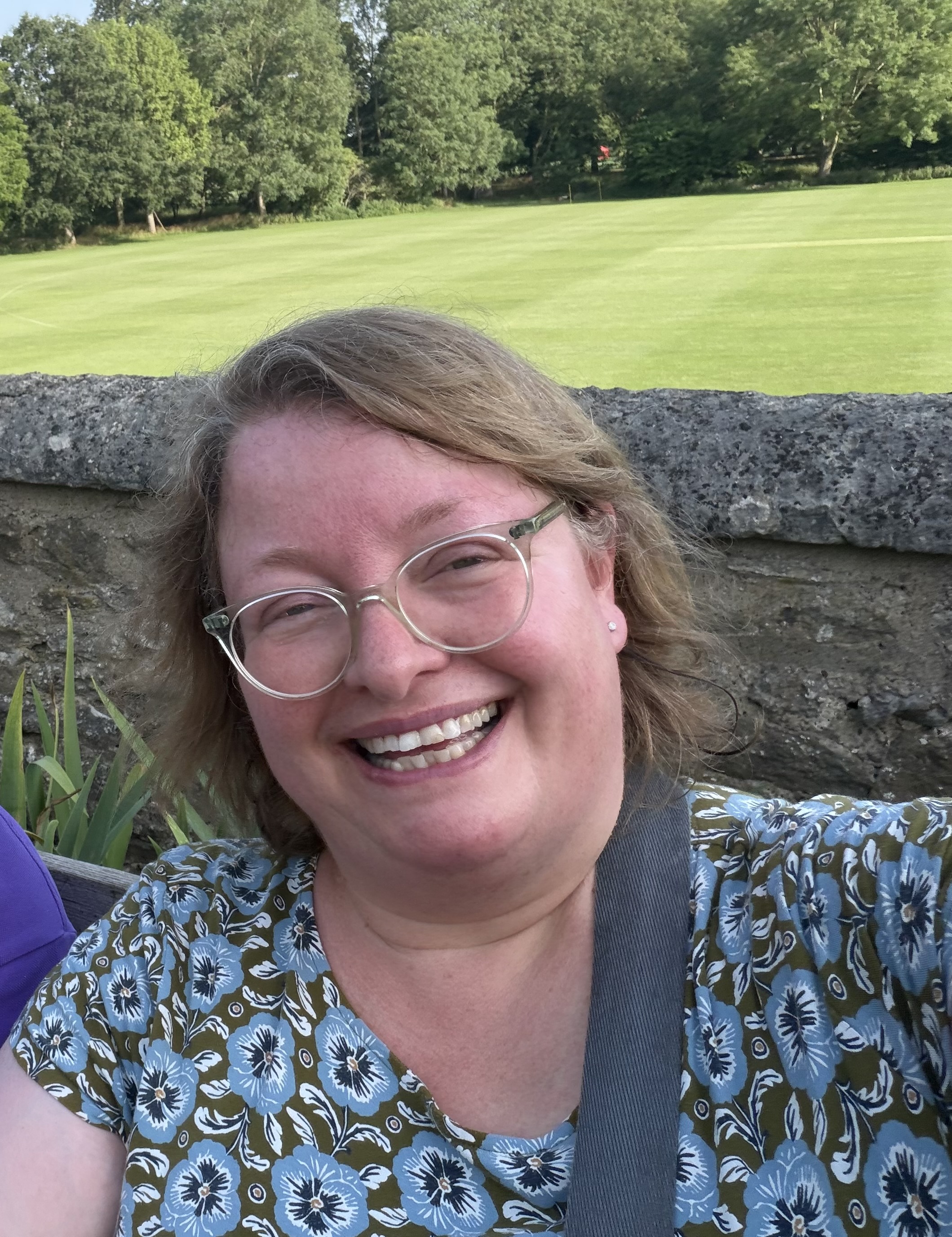
Amy Warner May
Associate Director, Scholarly Resources
Bodleian Libraries, University of Oxford
Amy Warner May is Associate Director, Scholarly Resources at the Bodleian Libraries, University of Oxford. In this role she a member of the Bodleian’s Exec Team, responsible for Collections Management, Open Research and Digital, and chairs the Digital Committee for Oxford’s Garden’s, Libraries and Museums. Before joining the Bodleian Amy was Associate Director at Royal Holloway, University of London, and worked at the UK National Archives as Head of Systems Development and Search. She is a Board Member of the Digital Preservation Coalition and on the Science Museum Collections Committee.