Tutorial : Towards Trustworthy and Affordable AI Citation
- Long title
- Towards resilient, trustable, responsible AI: affordable longterm citation for AI sources and artifacts
- Starts at
- Sat, Oct 25, 2025, 14:00 GMT+2
- Finishes at
- Sat, Oct 25, 2025, 16:00 GMT+2
- Venue
- Auditorium
Towards resilient, trustable, responsible AI: affordable longterm citation for AI sources and artifacts
AI transparency and resilience are at risk when links (URLs) break to billions of inputs (human-generated content, prompts, training sets, models, ML datasets). The already enormous financial and environmental costs of AI are amplified when links break to billions of artifacts that then have to be reconstructed. Without durable, citable URLs for sources and artifacts, trust in AI will be as fragile as the average web link. This interactive tutorial workshop introduces ARK (Archival Resource Key) persistent identifiers. As non-paywalled PIDs (persistent identifiers, permalinks) for information objects of any kind, ARKs support web addresses that don't break (e.g., that don’t return 404 Page Not Found). ARKs are similar to DOIs used in traditional publishing in that they both were introduced over 24 years ago, exist in large numbers (8.2 billion ARKs, 257 million DOIs), and support research and scholarship, appearing in the Data Citation Index, Wikipedia, ORCiD.org profiles, etc.
-
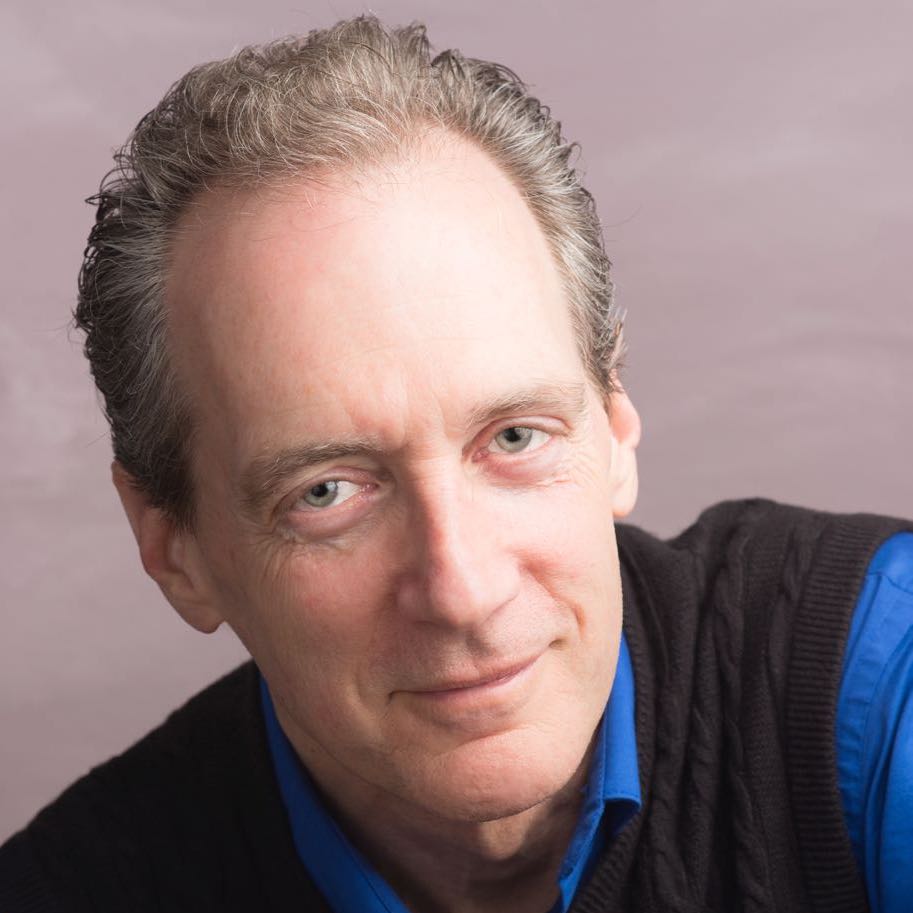
John Kunze
Drexel University Metadata Research Center
John Kunze is a pioneer in the theory and practice of digital libraries. With a background in computer science and mathematics, he wrote BSD Unix tools that come pre-installed with Mac and Linux systems. He created the ARK identifier scheme (arks.org), the N2T.net scheme-agnostic resolver, and contributed heavily to the first standards for URLs (RFC1736, RFC1625, RFC2056), library search and retrieval (Z39.50), archival transfer (BagIt - RFC8493), web archiving (WARC), and metadata (RFC2413, RFC2731, ANSI/NISO Z39.85).

Hosted by

Supported by