Student Forum

Starts at
Fri, Oct 24, 2025, 10:30 GMT+2
Finishes at
Fri, Oct 24, 2025, 13:30 GMT+2
Venue
Aula (214)
Moderator
Ying-Hsang Liu

Moderator

  • Ying-Hsang Liu

    Chemnitz University of Technology

    Ying-Hsang Liu is a researcher at Chemnitz University of Technology (Germany) in Predictive Analytics. With a Ph.D. in Information Science (Rutgers University, USA), he has held academic positions across five countries. His research focuses on human-centered data science, information retrieval, and AI-based systems, supported by grants from the ARC, ARDC, and Airbus. Dr. Liu has authored 65 peer-reviewed publications and two books, serves on ASIS&T and ALISE committees, and is a Distinguished Member of ASIS&T 2022.

Presentations

Research on Data Trustworthiness based on Metadata Semantic Enhancement

With the development of artificial intelligence, the illusion of large language models and other unreliable data bring challenges to decision-making. There are differences in the way human experts and machines understand knowledge. This paper review metadata semantic methods in data trust from two dimensions of data quality enrichment and processing traceability. On this basis, with metadata semantic enhancement technology as the core, a data trustworthiness framework based on the collaboration of concept symbols and vectors is proposed. Through symbol-vector-interpretation association, metadata rule classification and collaborative reasoning, dual trusted guarantees of data quality and process processing are realized.
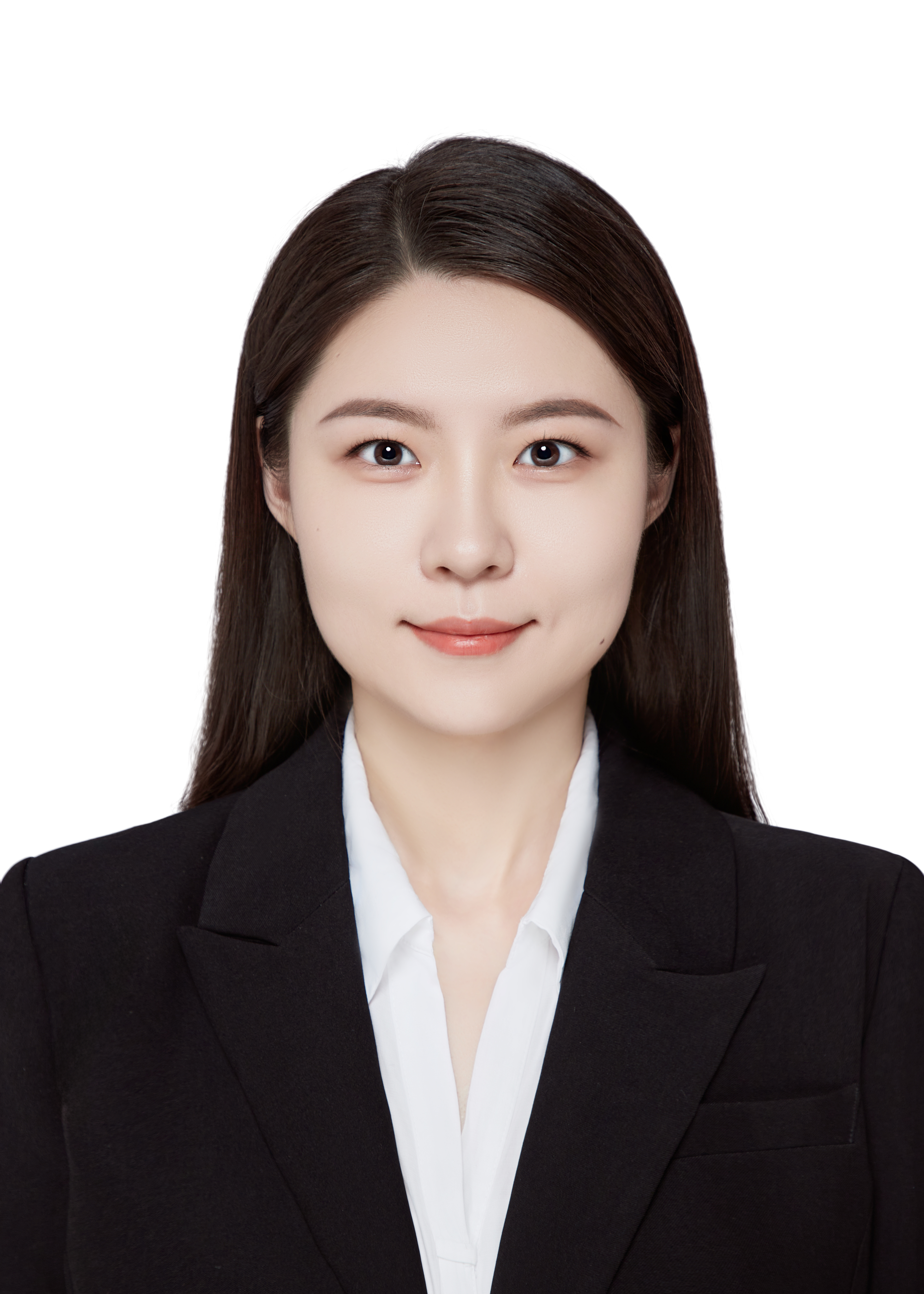
  • Wenjing Wu

    Renmin University of China

    Wenjing Wu is a PhD candidate at the School of Information Resource Management, Renmin University of China. She has a deep research in knowledge organization, semantic enhancement and AI. Her research Multi-modal Knowledge Organization Approach for Incorporating Intelligent Construction Metadata was rewarded as the DC 2024 Student Forum competition-Second Place.

Research on Ontology Construction of Traditional Villages from the Perspective of Smart Data: A Case Study of Beijing

Authors: Jie Guo, Chunqiu Li, Wirapong Chansanam

Traditional villages are rich in rural culture resources, such as ancient architecture and folklore, and have attracted attention due to their historical, cultural and artistic value. This study explains smart data and value addition driven ontology modeling. From the perspective of smart data, this study takes the national-level traditional villages in Beijing recorded in the Traditional Chinese Village Digital Museum as research subjects and collects relevant data to construct the ontology. Core classes define village information, culture heritage social relation, historical context and application scenario. With the guidance of smart data and the interconnections of traditional village resources, temporal, spatial and interactive relationships between village cultural resources are expressed. This study offers insights for the discovery of traditional village cultural knowledge and historical inheritance over time.
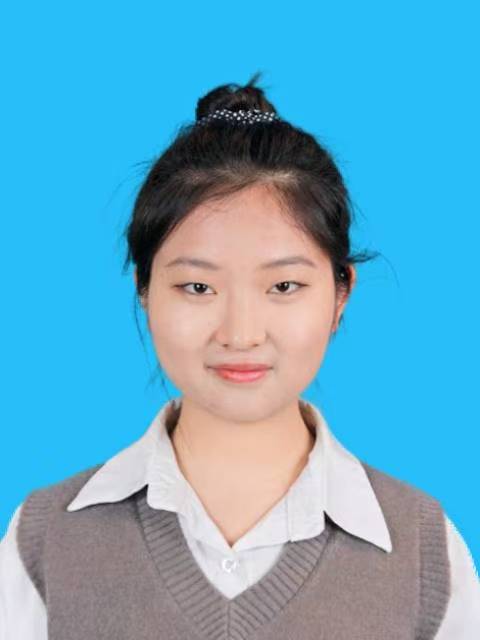
  • Jie Guo

    School of Government, Beijing Normal University

    Jie Guo is a graduate student in Library Science at the School of Government, Beijing Normal University. Her research focuses on the classification, indexing, and retrieval of information in both traditional library systems and digital environments. Jie is particularly interested in how evolving digital technologies, such as artificial intelligence and semantic web technologies, are reshaping the ways in which information is structured, accessed, and utilized in academic and public institutions.

Towards a national strategy for Catalonia’s digital cultural heritage: a Linked Open Data approach

This article presents the initial phase of a doctoral research project aimed at designing a national strategy for Catalonia’s digital cultural heritage. In a context marked by institutional fragmentation and heterogeneous metadata practices across museums, libraries, and archives, the proposal seeks to develop a shared framework based on Linked Open Data technologies. Drawing inspiration from international models such as the Dutch DERA and the Swedish National Strategy for Digital Cultural Heritage, the strategy combines technical interoperability with participatory governance.
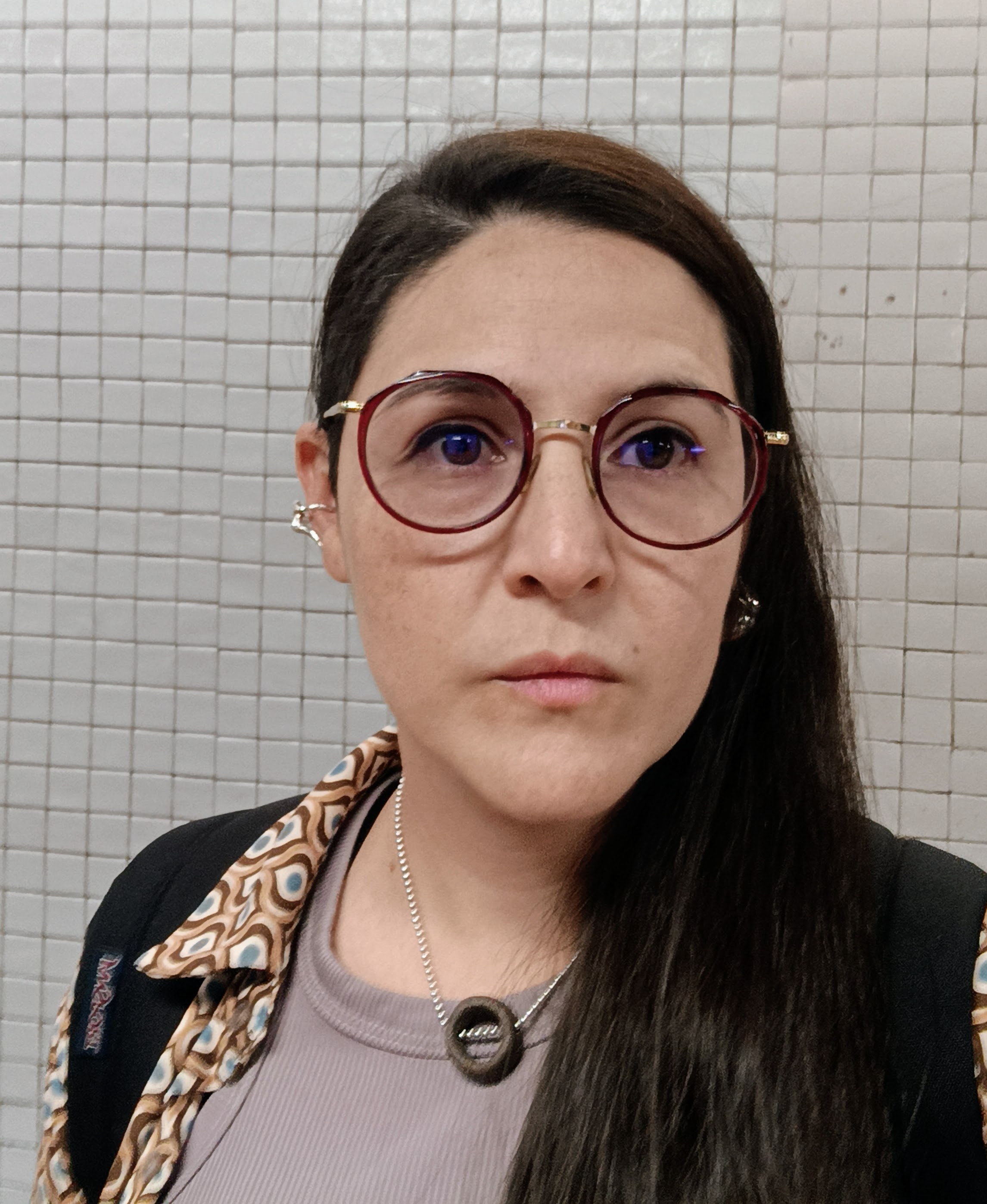
  • Raquel Garcia-Casanova

    Universitat de Barcelona

    Raquel Garcia-Casanova is a researcher and lecturer in the field of digital heritage and information science. She teaches at the University of Barcelona (Faculty of Information and Audiovisual Media) and works at La Tempesta, where she leads projects related to metadata, linked open data, and audiovisual collections. Her current PhD research explores strategies for publishing and connecting Catalan cultural heritage data through linked open data, with a focus on accessibility, reuse, and knowledge integration across institutions.

Navigating Silences and Stories: Critical Metadata Practices in LGBTQIA+ Community Archives

Authors: Leslie Abbott

This autoethnographic study examines metadata practices within LGBTQIA+ community archives, addressing critical gaps in ethical descriptive cataloging. Through participant observation at a UK-based queer community archive, this research documents how communities develop alternative classification systems that center lived experiences rather than institutional standards. Key findings include the emergence of "taxonomies of feeling" that incorporate emotional and affective dimensions, collaborative cataloging processes that prioritize community knowledge production, and innovative approaches to privacy and consent in descriptive practices. The study reveals significant tensions between standardization requirements and community self-determination, while identifying promising frameworks for bridging institutional and grassroots approaches. This research contributes to metadata ethics discourse by demonstrating how community archives create more inclusive descriptive systems that serve as tools for cultural preservation and historical justice.
  • Leslie Abbott

    Edinburgh Napier University

    Leslie Abbott's research centers on community empowerment through archives, examining how marginalized groups build belonging and agency through activism and collective memory work. They hold an MSc in Information & Library Studies from the University of Strathclyde and an MSc in Information Management & Preservation from the University of Glasgow. A practicing librarian since 2015, Leslie is now a doctoral researcher at Edinburgh Napier University, where they develop "metadata dignity" frameworks that prioritize community voices in LGBTQ+ archival description practices.

Mapping Human-Centered Knowledge: Participatory Design, Semantic Web and gendered perspective in GLAM

Authors: Elena María Gómez Rico

Research areas have emerged, driven by the social impact of technology-centered design while simultaneously seeking to integrate human needs and perceptions into the design process. However, substantial ambiguity persists regarding a comprehensive understanding of these fields, especially in the conceptual and methodological frameworks. Using a metadata and bibliometric analysis method based on scientific maps, this study aims to construct the conceptual structure of a section of such knowledge domain situated at the intersection of semantic technologies (such as knowledge graphs, RDF, linked data, and ontologies) and participatory design methodologies. This work is framed within a doctoral research project at the University of Barcelona, which seeks to identify pivotal literature on human-centered computation projects, metadata standards, and design methodologies in these interdisciplinary frameworks. Furthermore, it will examine the visibility of topics related to GLAM institutions (galleries, libraries, archives, and museums), their content access and curation, alongside a focus on gender and intersectionality in the existing literature.
  • Elena María Gómez Rico

    Universidad de Barcelona

    Multidisciplinary researcher, educator, and experience designer in digital humanities, pedagogy, and cultural studies. Her work integrates participatory design, technology, pedagogy, and cultural research. Currently concluding her Master's in Digital Humanities at University of Barcelona (2024-2025) and preparing PhD in information and communication integrating participatory design, semantic technologies, and gender perspective. Professional experience spans universities, GLAM institutions, private and public sector.