Project Reports
- Starts at
- Fri, Oct 24, 2025, 15:00 GMT+2
- Finishes at
- Fri, Oct 24, 2025, 17:00 GMT+2
- Venue
- Aula Rubió (210)
- Moderator
- Alasdair MacDonald
Moderator
-

Alasdair MacDonald
University of Edinburgh
Alasdair MacDonald is the Metadata and University Collections Facility Manager at Edinburgh University Library, where he has worked since 2014. He is the manager of the Metadata Team, which provides a centralised bibliographic cataloguing service to all Library sites, and also manages the Library's offsite collections store. Alasdair is the current Chair of the DCMI Governing Board and Vice Chair of the CILIP Metadata and Discovery Group Scotland Committee. He has previously held posts at the Bodleian Library and National Library of Scotland.
Presentations
BIBFRAME, AI, and Open-Source Technologies: A Blue Core Project Report
Authors: Kalliopi Mathios, Jeremy Nelson
-

Kalliopi Mathios
Stanford University
Kalliopi Mathios is the Authorities & Entity Management Librarian at Stanford University, where she advances linked open data initiatives within the Stanford community and beyond. She is the Product Owner and Project Manager for the Sinopia linked data editor and the Blue Core project. She serves as Co-Convener of the PCC Sinopia Cataloging Affinity Group, Chair of the LD4 Steering Committee, and Chair of the BIBFRAME Interoperability Group. She actively participates in the FOLIO Linked Open Data Special Interest Group, the Share-VDE UX/UI Working Group, and the AI4LAM Metadata Working Group. -

Jeremy Nelson
Stanford University Libraries
Jeremy Nelson is a software engineer at Stanford University Libraries focusing on Linked Data projects like Sinopia and Blue Core and using Generative AI in library workflows. He was also a member of the team that implemented FOLIO at Stanford, personally overseeing the migration of Stanford's bibliographic records to FOLIO. Before working at Stanford, he worked as a librarian at Colorado College, Western State University of Colorado, and the University of Utah. Prior to libraries, Jeremy worked at a number of software companies in the financial services and online education fields.
Bridging Archival Metadata Standards for Digital Preservation and Interoperability: A Project Report
Authors: Tatiana Canelhas, Sérgio Augusto Coelho Diniz, Tania Gava, Diana Vilas Boas Souto Aleixo, Jussara Teixeira
-
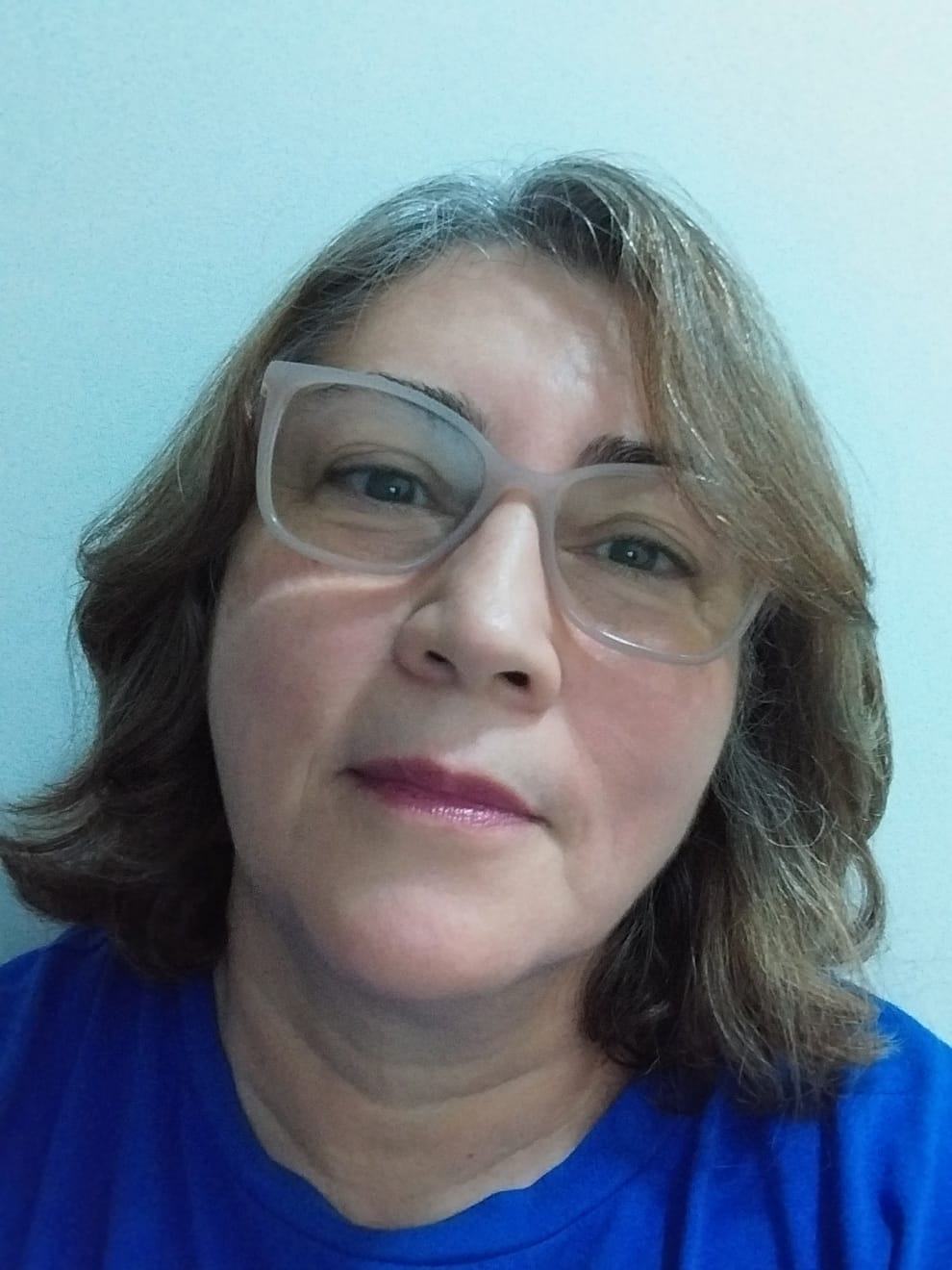
Jussara Teixeira
Information and Communication Technology Institute of the State of Espírito Santo (Prodest)
IT Analyst at Prodest (Espírito Santo State ICT Institute) with 37 years of experience in technology. Holds an MSc in Informatics (UFES), and specializations in Higher Education Teaching, Multimedia Systems, and Computer Networks. Bachelor's in Administration and Archival Science. For 20 years, has contributed to the State Document Management Program (Proged), focusing on technology solutions for records management.
Leverage Natural Language Processing (NLP) to improve the discoverability of academic resources
Authors: Charlene Chou, Shravan Khunti, Harshit Bhargava
-

Charlene Chou
Division of Libraries, New York University
Charlene Chou is the Head of the Knowledge Access Department at New York University Libraries, where she oversees cataloging and metadata services. She has contributed to national and international standards for metadata interoperability through active service on various committees, including the PCC (Program for Cooperative Cataloging) Policy Committee, the PCC Task Group on AI and Machine Learning for Cataloging and Metadata and the RDA Steering Committee. She is committed to conducting pilot projects on emerging trends and technologies.
Gila Prebor
Authors: Gila Prebor
-
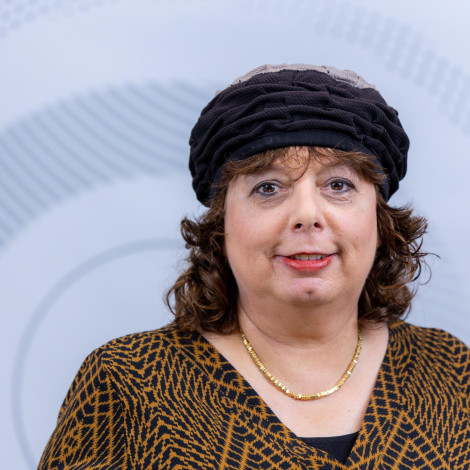
Gila Prebor
Bar-Ilan University
Gila Prebor is an Associate Professor in the Department of Information Science at Bar-Ilan University. Her research explores the history of the Hebrew book and textual traditions alongside practical aspects of information organization, librarianship, and metadata. She is co-editor of Alei Sefer: Studies in Bibliography and in the History of the Printed and Digital Hebrew Book. Her work is characterized by an interdisciplinary approach that blends traditional research methods with digital humanities tools, grounded in expertise in bibliographic and cataloging practices.
Respectful Terminology Platform Project: Connecting Indigenous Peoples’ Knowledge Systems Through Innovative Metadata Technologies
Authors: Stacy Allison-Cassin, Camille Callison
-
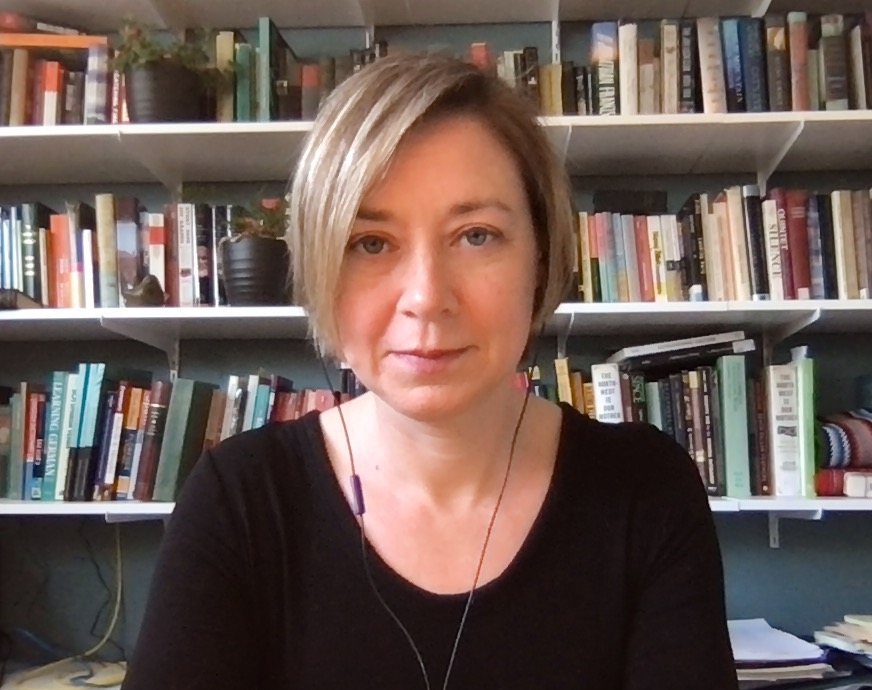
Stacy Allison-Cassin
Dalhousie University
Stacy Allison-Cassin is an Assistant Professor in the Department of Information Science at Dalhousie University in Halifax, Canada. Stacy engages in research and teaching related to linked data, metadata and issues related to equity and justice. Stacy is the co-director of the Respectful Terminology Platform Project and is currently the chair for the Teaching and Learning community and a member of council of the National Indigenous Knowledge and Language Association, and Indigenous-led association centered in Canada and sits several advisory bodies. -
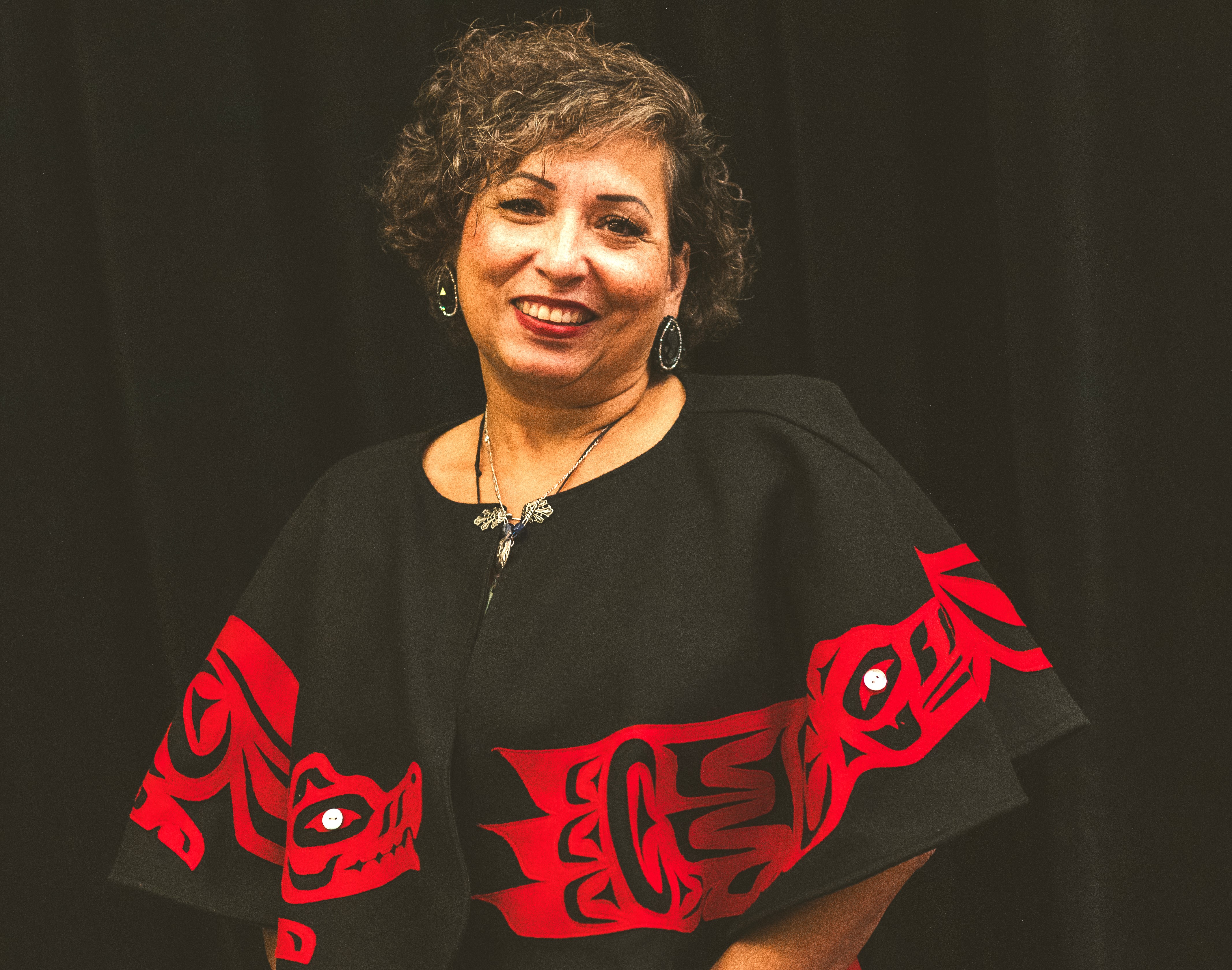
Camille Callison
National Indigenous Knowledge and Language Alliance (NIKLA)
Camille Callison is a Tahltan Nation member pursuing a PhD (Anthropology) at the University of Manitoba. She demonstrates her commitment to the survival and activation of Indigenous knowledges, languages, and cultures as Chair, National Indigenous Knowledge and Language Alliance (NIKLA-ANCLA) and Co-Director, Respectful Terminology Platform Project (RTPP). Camille is a member of the International Federation of Library Associations (IFLA) Indigenous Matters Section and North American Regional Division as well as IEEE P2890™ Recommended Practice for Provenance of Indigenous Peoples’ Data.
Assessing the Application of Al and Machine Learning in Cataloging and Metadata: Progress Report of the PCC Task Group on Al and Machine Learning
Authors: Charlene Chou, In-Kyung Choi
-
Charlene Chou
Division of Libraries, New York University
Charlene Chou is the Head of the Knowledge Access Department at New York University Libraries, where she oversees cataloging and metadata services. She has contributed to national and international standards for metadata interoperability through active service on various committees, including the PCC (Program for Cooperative Cataloging) Policy Committee, the PCC Task Group on AI and Machine Learning for Cataloging and Metadata and the RDA Steering Committee. She is committed to conducting pilot projects on emerging trends and technologies.
OpenWEMI, a DCMI Vocabulary
Authors: Karen Coyle
-
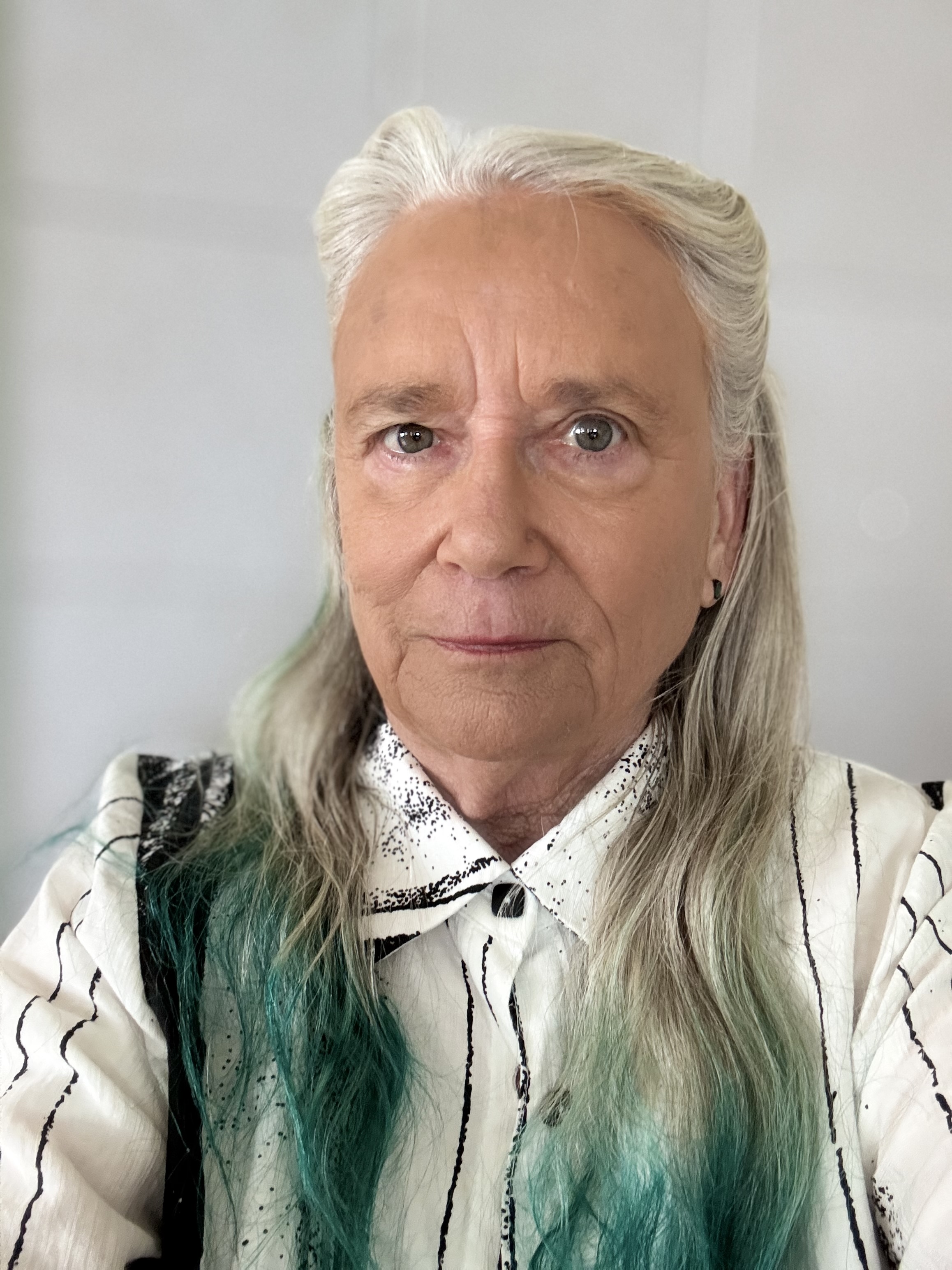
Karen Coyle
DCMI
Karen Coyle is a librarian whose work in library metadata began around 1980. She has published many articles and reports, most available on her web site, kcoyle.net. She has served on standards committees including the MARC standards group (MARBI), NISO committee AX for the OpenURL standard, the ePub standard and represented DCMI on W3C committees. She is currently working with the Dublin Core Metadata Initiative on application profiles and the OpenWEMI vocabulary.