Papers: Metadata Quality & BIBFRAME
- Starts at
- Fri, Oct 24, 2025, 10:30 GMT+2
- Finishes at
- Fri, Oct 24, 2025, 12:30 GMT+2
- Venue
- Aula Rubió (210)
- Moderator
- Gema Bueno de la Fuente
Moderator
-
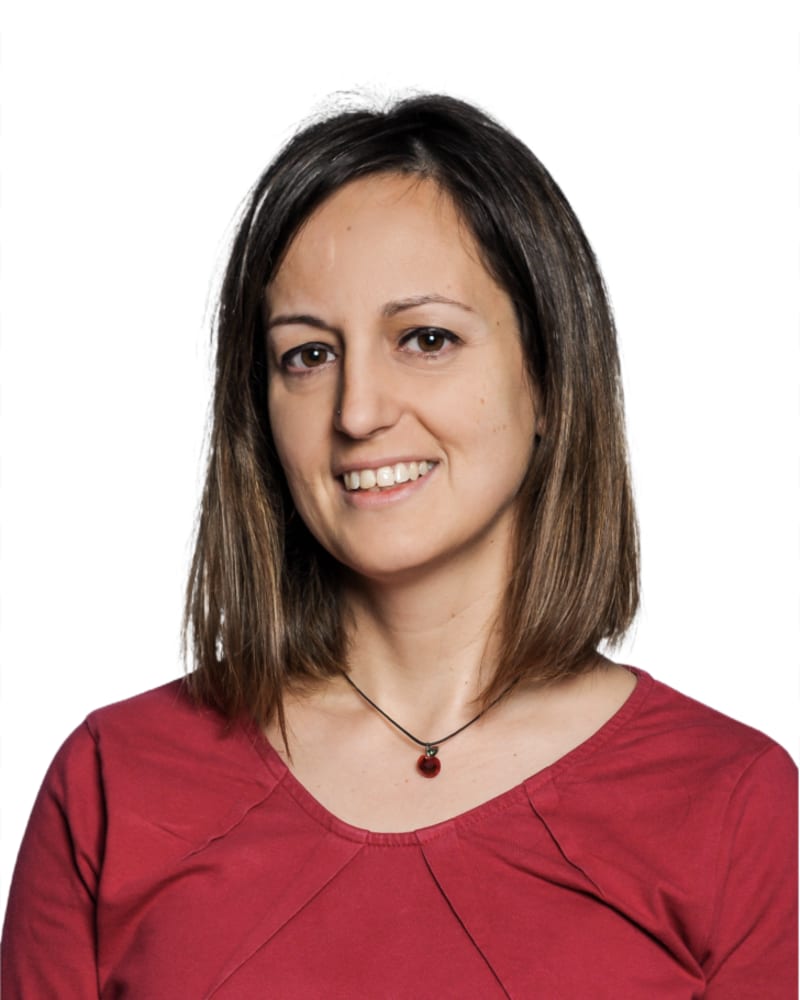
Gema Bueno de la Fuente
University of Zaragoza
Gema Bueno de la Fuente has a PhD. in Information Science (2010), a bachelor’s degree in Information Science from the Carlos III University of Madrid (2003) with National Award, and a bachelor’s degree in Library and Information Science from the University of Zaragoza (2001). Currently, she is Hired Lecturer at the Dept. of Documentation Sciences and History of Science at the University of Zaragoza. She has teaching and research experience since 2005. Her interests include Open Science, Digital libraries, Metadata, Knowledge Organization and Linked Open Data.
Presentations
Utilizing the EPIC Framework to Improve Metadata Infrastructure
Authors: Hannah Tarver, Mark Edward Phillips
-
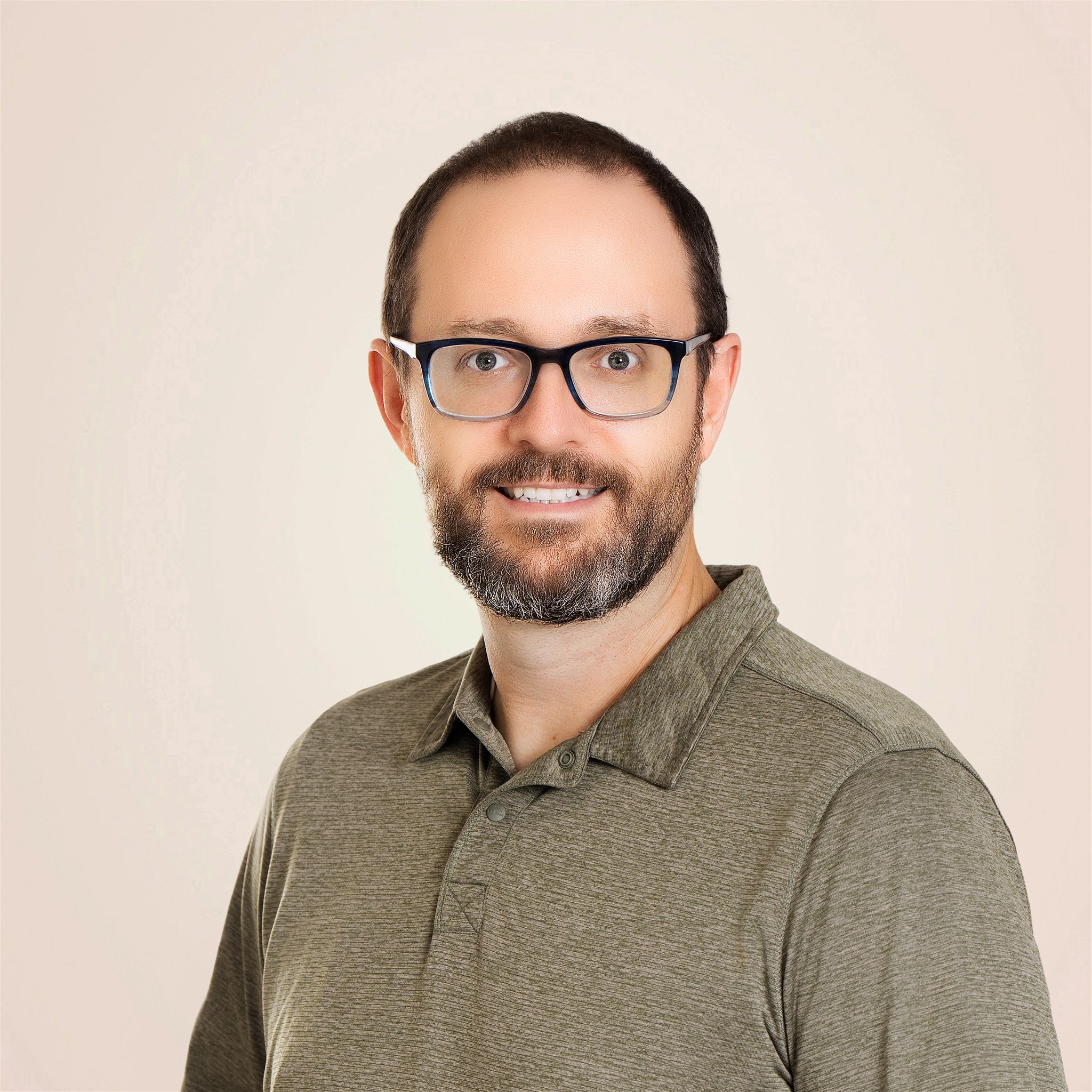
Mark Phillips
University of North Texas
Mark Phillips, Ph.D. is the Associate University Librarian for Digital Libraries at the University of North Texas. In his role at UNT he has been involved with a wide range of digital library services including the creation of The Portal to Texas History, the UNT Digital Library and the Gateway to Oklahoma History. He is involved in the web archiving space and in the field of metadata assessment.
One-to-one principle of the Dublin Core: application in Catalan university repositories of special and heritage collections
Authors: Alcaraz-Martínez, Rubén; Sulé Duesa, Andreu; Salse Rovira, Marina
-
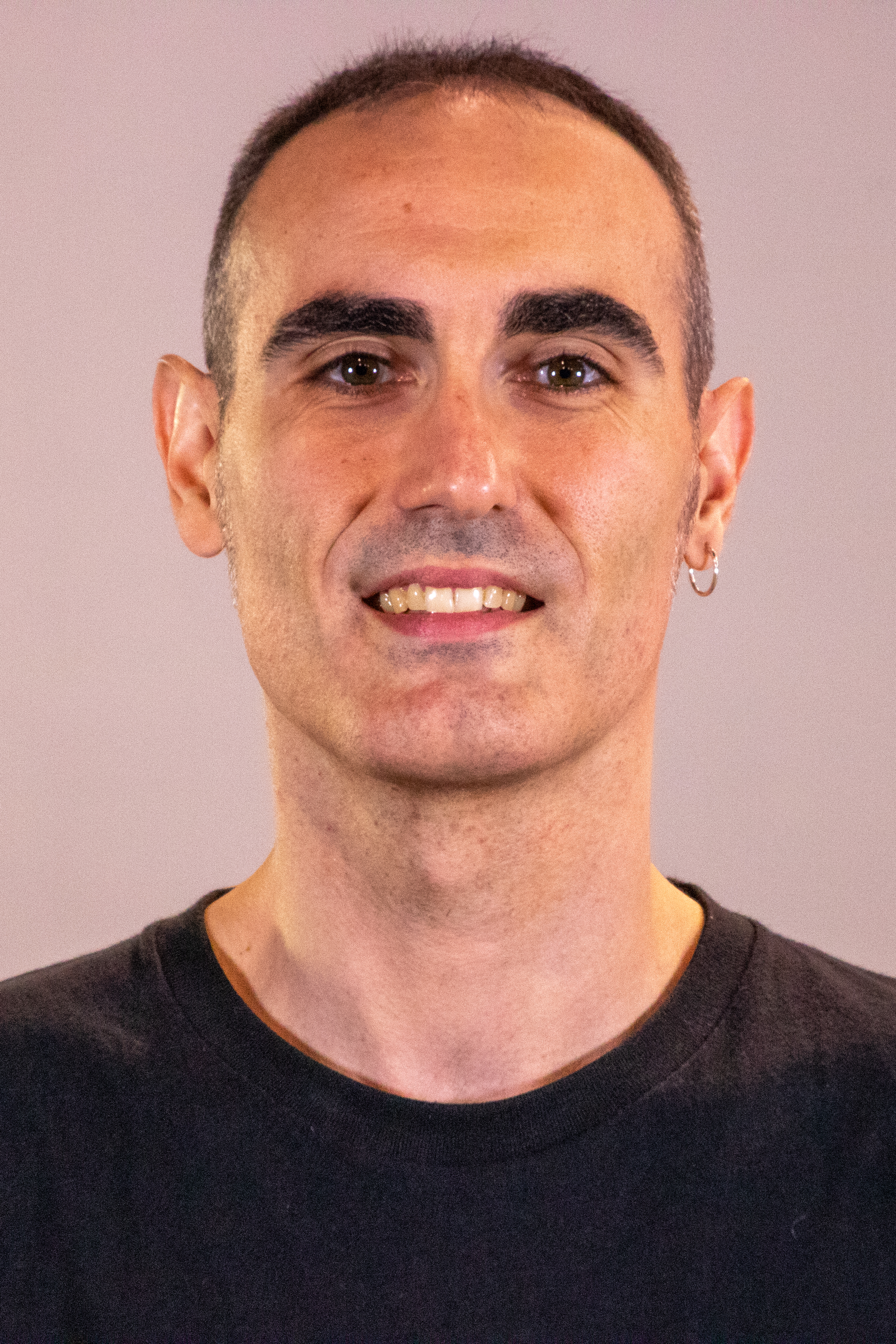
Rubén Alcaraz-Martínez
Departament de Biblioteconomia, Documentació i Comunicació Audiovisual, Universitat de Barcelona
PhD in Engineering and Information Technology, Master’s degree in Digital Content Management and Diploma in Library and Information Science. Teaching experience in the Department of Library and Information Science and Audiovisual Communication at the University of Barcelona, contributing to the Bachelor's degree in Information and Digital Documentation Management, the Master’s in Digital Content Management, and the Master’s in Digital Humanities. Research areas include digital accessibility and digital projects related to the digitisation and dissemination of collections in heritage libraries. -
Andreu Sulé Duesa
Universitat de Barcelona
PhD in Information and Communication, he is a professor and researcher at the Faculty of Information and Audiovisual Media, University of Barcelona. He coordinated the master's degree in Digital Content Management (2017–2023). His research focuses on knowledge organization, information representation, database design, and information retrieval, with a specific line on prison libraries. A member of the Research Center in Information, Communication and Culture, he has published several works in these fields.
Designing an Extended BIBFRAME Bibliographic Structure for Describing Old Materials
Authors: Minjung Park, Seungmin Lee
-
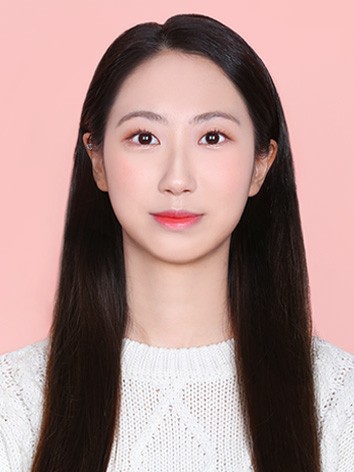
Minjung Park
Chung-Ang university
Doctoral student, Department of Library and Information Science, Chung-Ang University, Seoul, South Korea. Park earned her B.S. and M.S. degrees in Library and Information Science from Chung-Ang University. Her research interests include bibliographic metadata, bibliographic framework, and library development policy. She is currently affiliated with the Korea Library Association(KLA) as a researcher, focusing on the Comprehensive Library Advancement Plan of Korea.
Derivative Relationships and Bibliographic Families Among Creative Works: A Systematic Study of Their Application by the Wikidata Community from the FRBR and BIBFRAME Perspective
Authors: Tomás Saorín; Juan-Antonio Pastor-Sánchez; María-Antonia Ovalle-Perandones
-
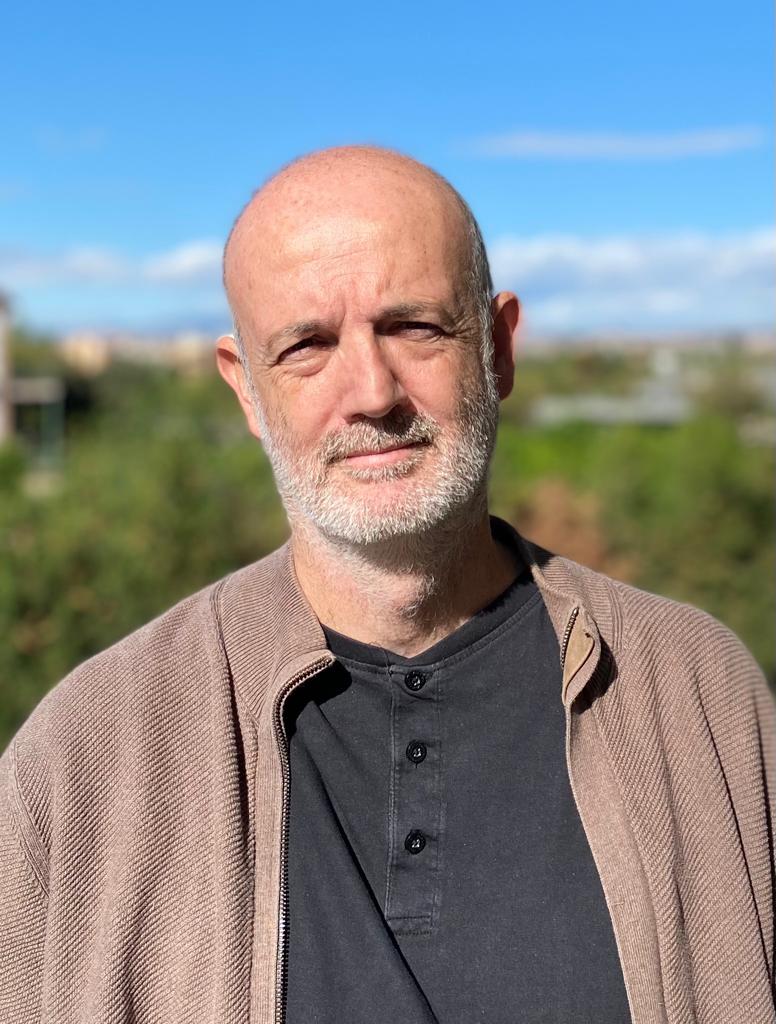
Tomás Saorín
University of Murcia
Professor at University of Murcia as coordinator for the Degree in Information and Digital Content Management. Research areas: metadata and resource description, knowledge organization, web design and information architecture, content management systems, knowledge graphs, collaborative digital environments, Wikipedia and Wikidata. Professional expertise as documentalist in areas such as social services, employment, libraries, transparency and open government portals, and activist in outreach activities engaging libraries, archives, and museums with Wikimedia projects. -
María Antonia Ovalle Perandones
Universidad Complutense Madrid
PhD in Documentation (UC3M, 2010) and Associate Professor at Complutense University of Madrid. She teaches in the fields of Information and Communication Technologies. Conducted research stays in Slovenia (2007), Austria (2012), and the UK (2017). Former documentalist at the Carlos III Health Institute and the Spanish Patent Office. Member of Politecom, Salbis, and SCImago. Research areas: Social Network Analysis, scientometrics, health sciences, research evaluation, and Open/Linked Data.