Papers: FAIR

Starts at
Wed, Oct 22, 2025, 14:30 GMT+2
Finishes at
Wed, Oct 22, 2025, 16:30 GMT+2
Venue
Aula Rubió (210)
Moderator
Jian Qin

Moderator

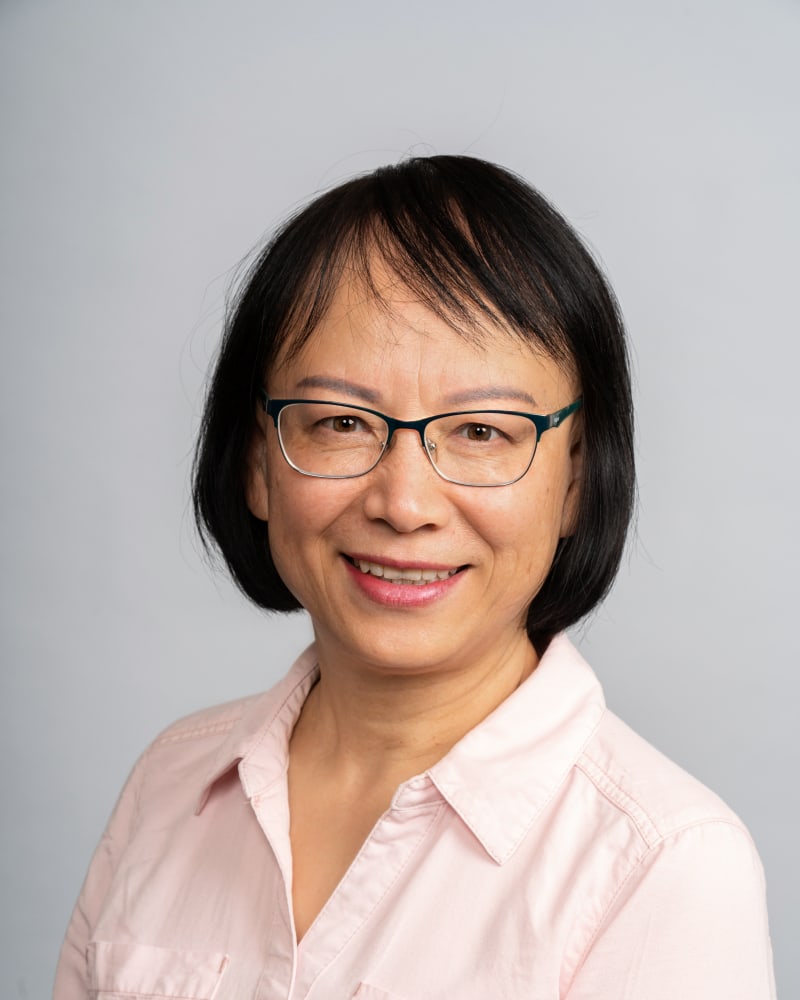
  • Jian Qin

    Syracuse University

    Jian Qin is Professor of the iSchool at Syracuse University and currently serves as the Director for Dublin Core Academy. She conducts research in metadata, knowledge organization and representation, data and knowledge modeling, ontologies, research collaboration networks, research impact assessment, and data curation. Her research has received funding from U.S. National Science Foundation, U.S. National Institutes for Health, and U.S. Institute for Museum and Library Services. She was the recipient of the 2020 Frederick G. Kilgour Award for Research in Library and Information Technology.

Presentations

Dublin Core and the Cataloguing of University Heritage: A Reality Based on Sustainability

Authors: Marina Salse Rovira, Maria Pilar Mateo Bretos

The heritage of the University of Barcelona is structured into several collections that have used diverse cataloguing systems until now. These collections required a unifying metadata schema that were simple yet rigorous, as most of the individuals responsible for these collections were not cataloguing specialists and did not work full-time on the collections. An application profile based on DCMI Metadata Terms was proposed to address this need and unify the different cataloguing systems. This application profile incorporates properties derived from extensive studies of LIDO and CIDOC CRM. It has been successfully applied in the Virtual Museum of the University of Barcelona from 2020 to the present
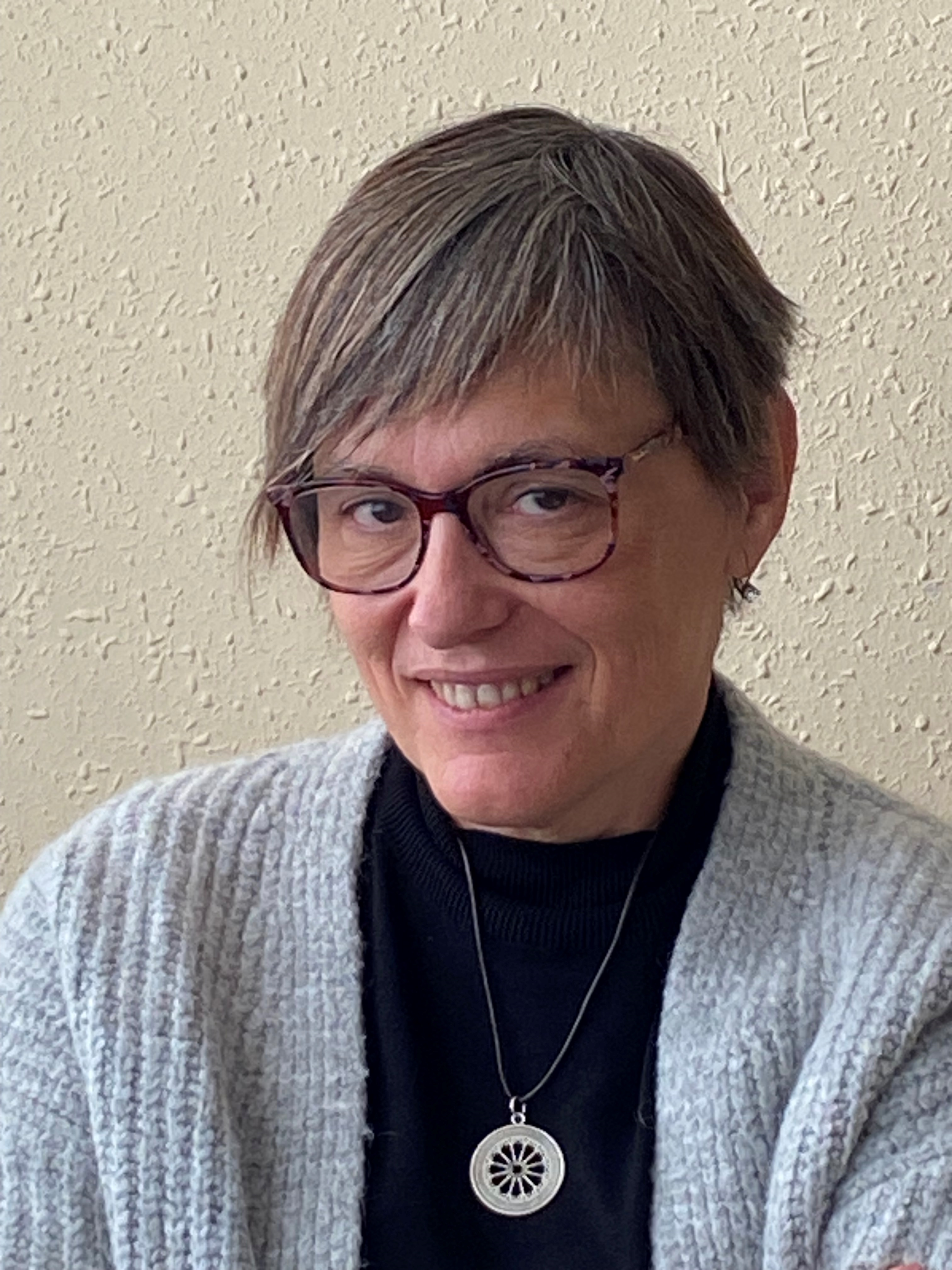
  • Marina Salse Rovira

    Facultat d'Informació i mitjans audiovisuals. Universitat de Barcelona

    I studied Librarianship and Archaeology, and I now hold a PhD in Information and Communication. I have been teaching at this faculty since 1994. My work focuses on databases, accessibility, metadata, and university heritage. I have been teaching Dublin Core since 2001 and have applied it in several projects. One of them is the Virtual Museum of the University of Barcelona, where I created an application profile to catalog the university's heritage from a GLAM perspective.

A Preliminary Study on Metadata Compatibility and Automatic Conversion among LOD Datasets

Authors: Yan CONG, Masao TAKAKU,Yasuyuki MINAMINYAMA,Takaaki AOKI,Shigeki MATSUBARA

In recent years, open science has promoted the web-based publication and reuse of research data. Publishing such data typically involves selecting a domain-specific metadata schema and using repositories for distribution. In Linked Open Data (LOD) datasets, domain-specific metadata schemas like VoID and DCAT are used commonly. However, differences in metadata schemas across institutions hinder cross-domain search and reuse due to duplicated terms and semantic ambiguity. The lack of clear metadata guidelines and example references further complicates creation, decreasing interoperability. This study addresses these issues by proposing a method to enhance compatibility among metadata schemas. Specifically, it focuses on mapping LOD schemas from VoID and DCAT to DataCite metadata schema. Additionally, it explores automating conversion process by pseudocode. This approach aims to align semantics across domain-specific metadata schemas and improve the findability and interoperability of dataset metadata.
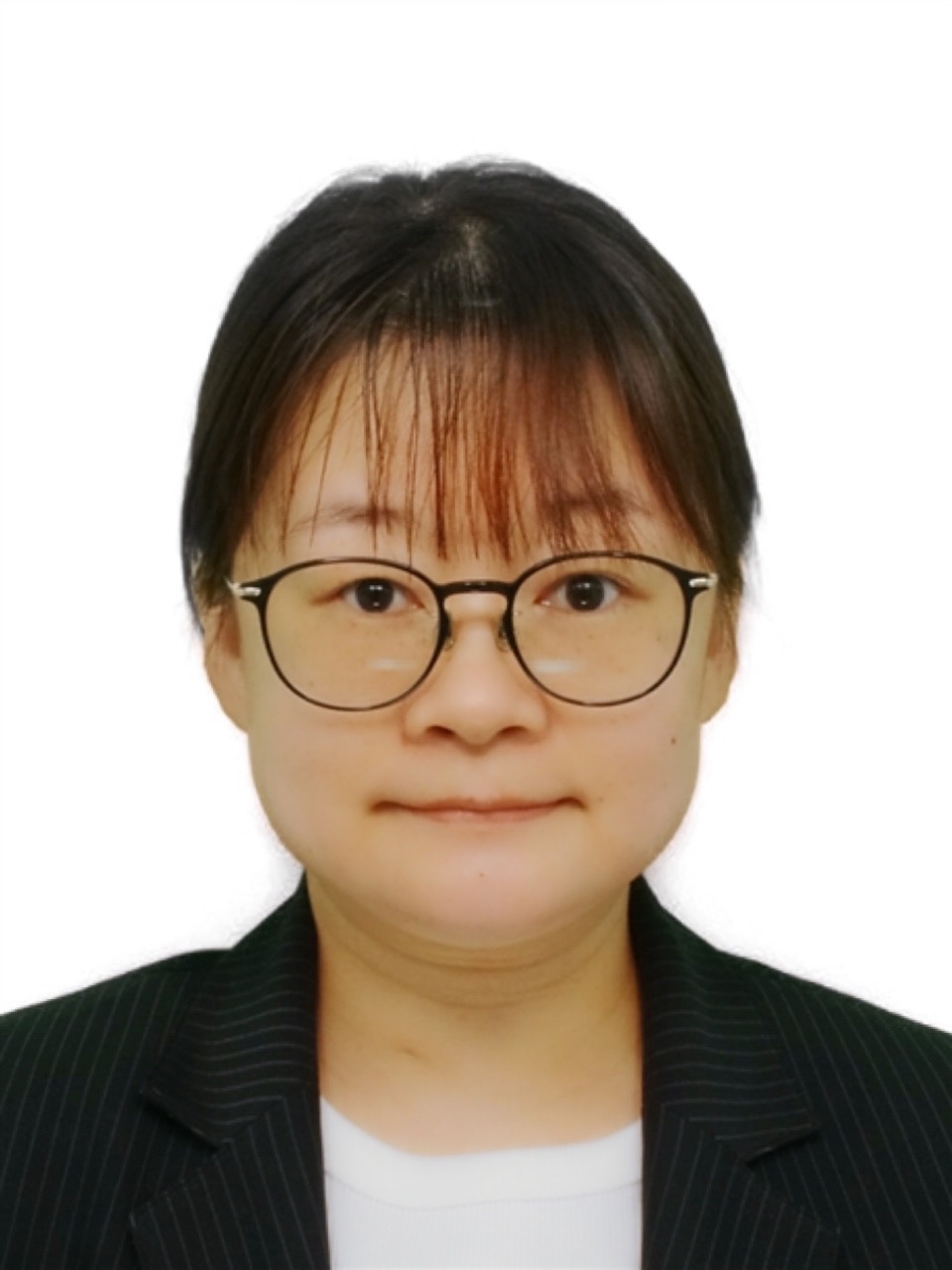
  • Yan CONG

    Nagoya University

    I obtained my Ph.D. in Library and Information Science from the University of Tsukuba in Japan last year. During my doctoral studies, my research focused primarily on metadata standardization, Linked Open Data (LOD), and TEI markup. In addition, I have also been engaged in research on applying AI in the field of education and exploring methods for its validation. After graduation, I took up a position at Nagoya University. My work focuses on metadata and the verification of interoperability with metadata.

Inclusive Metadata in Digital Libraries: A Qualitative Study of R1 Academic Institutions

Authors: Stephanie M. Luke, Trevor Stratton

A qualitative, multi-institutional study investigating how academic libraries in the United States integrate inclusive and reparative description principles and practices into their digital collections. This paper draws on a series of interviews with metadata professionals from nine R1 institutions to assess how they approach the remediation of legacy metadata in their digital collections. The findings demonstrate that, while inclusive metadata is widely recognized as important, its implementation remains underutilized and unevenly applied.
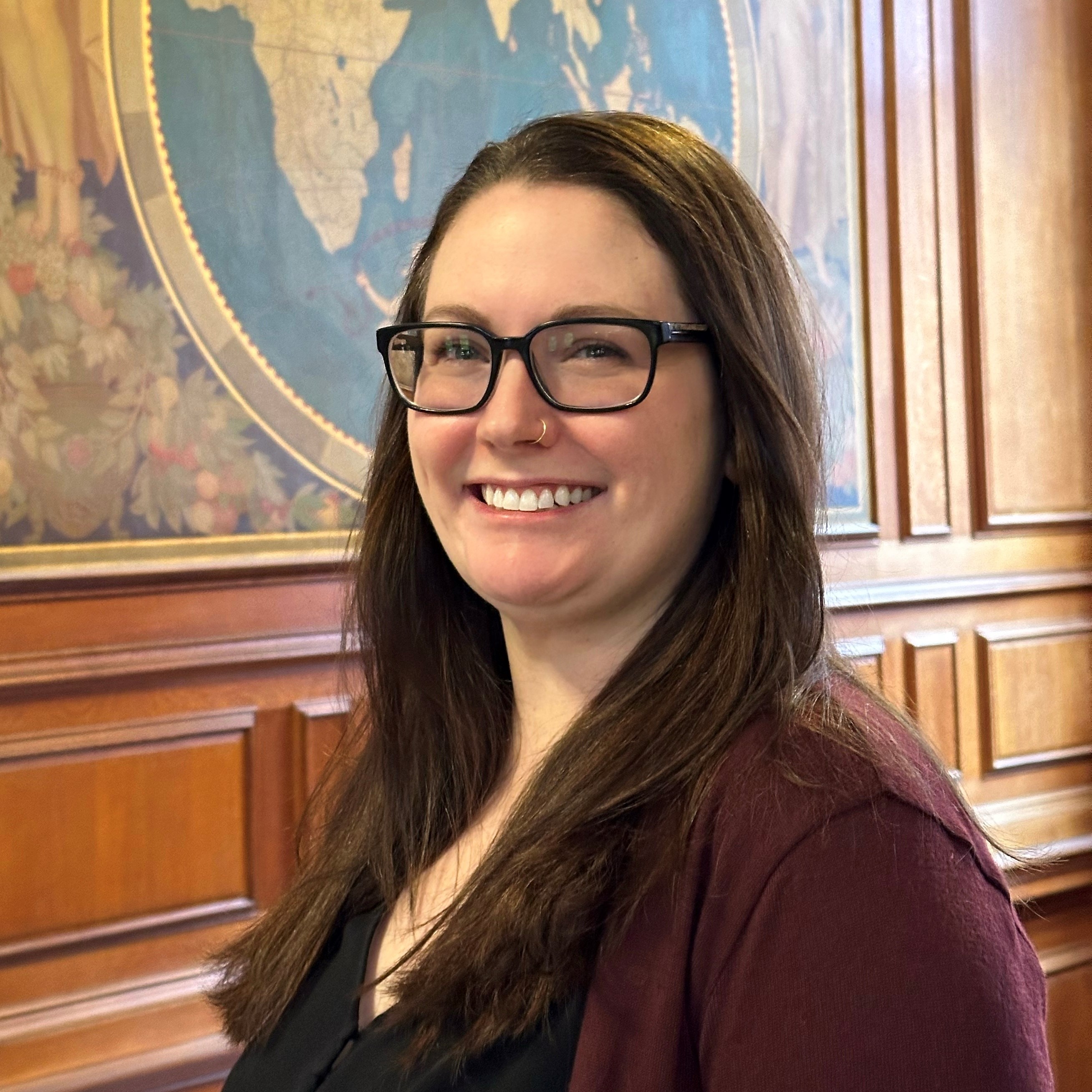
  • Stephanie M. Luke

    University of Illinois Urbana-Champaign

    Stephanie M. Luke (she/her) is Assistant Professor-Metadata Librarian at the University of Illinois Urbana-Champaign. She holds a MA in English and an MLIS in rare book and manuscript librarianship, both from Indiana University-Bloomington. Her research centers on the ethical description and equitable access of cultural heritage materials in GLAM institutions.
  • Trevor Stratton

    Michigan State University

    Trevor Stratton is the Metadata Librarian at Michigan State University where he works on the Michigan State University Libraries’ digital repository and other digital initiatives. Stratton holds an M.A. In History and an M.S. in Library and Information Science from the University of Illinois Urbana-Champaign. His background includes a variety of roles related to bibliographic metadata and digital initiatives. Stratton also holds a B.A. in History from the University of Missouri.

Designing the BMI Model for Interlinking Name Identifier Systems

Authors: Seunghui Lee,
Seungmin Lee

To uniquely identify authors of intellectual works, many institutions operate distinct name identifier systems based on their respective policies and objectives. While these systems share common elements, they differ significantly in terms of format and content, often resulting in confusion in author data management and access due to the coexistence of multiple identifiers for the same individual. This study examines the characteristics of existing name identifier systems and proposes a conceptual framework to enable their semantic interlinking, building on which the Bibliographic–Metadata–Intellectual (BMI) model is introduced.
  • Seunghui Lee

    Department of Library and Information Science, Chung-Ang University

    Seunghui Lee holds a BA and an MLIS from Chung-Ang University in Seoul, South Korea, with a focus on knowledge organization. He worked as a graduate administrative assistant in the Department of Library and Information Science at Chung-Ang University and as a librarian at the Metadata & Sustainable Access Division of the National Library of Korea, where he contributed to managing ISNI assignments. His research interests include knowledge organization, metadata, linked data, and ontology.

Bridging FAIR and CARE in ETD Metadata: An LLM assisted Cross-Repository Evaluation Framework

Authors: Somesh Rai and Rajani Mishra

Electronic Theses and dissertations that are submitted electronically are termed generally as ETDs, and they are distributed through a variety of institutional and aggregated repositories. Even though the majority of ETD platforms adhere to the FAIR principles, which specify that data must be Findable, Accessible, Interoperable, and Reusable, these platforms frequently fail to take into account the ethical and community-centered aspects that are encapsulated in the CARE principles, which are as follows: Collective Benefit, Authority to Control, Responsibility, and Ethics. The purpose of this research is to present a novel cross-repository evaluation framework that utilises an LLM-assisted technique to bridge the gap between the FAIR and CARE principles. A rubric-based review was combined with the reasoning skills of three big language models - ChatGPT, Grok, and DeepSeek R1 - in order to conduct an evaluation of nine of the important open-access electronic text databases (ETD) repositories. A standardised rubric served as a guide for each model, and it was prompted to conduct an analysis of the quality of the metadata as well as ethical constraints. Despite the fact that the data demonstrate that FAIR compliance is resilient across repositories, they also highlight systemic weaknesses in CARE alignment, particularly with regard to cultural context, ethical reuse, and authorial control. Moreover, the comparative analysis among three agents suggests that it should be used for evaluating FAIR compliance. CARE compliance evaluation may need more sophisticated ‘Human in the Loop’ setup. This framework offers a scalable and transparent approach to analysing metadata governance. Additionally, it gives schema-agnostic recommendations for encouraging inclusive and ethical stewardship in digital academic infrastructure. These characteristics are achieved through the triangulation of assessments given by artificial intelligence.
  • Somesh Rai

    Central University of Punjab

    An Assistant Professor of Library and Information Sciences under the School of information and Communication Studies at Central University of Punjab. Earlier worked as a UGC-Senior Research Fellow at the Department of Library and Information Science, Banaras Hindu University. His Broader areas of interest are Information Science, Digital Libraies, and Artificial Intelligence applications. He holds a B Tech in Electrical Engineering at National Institute of Technology Silchar, Assam and MLISc at Banaras Hindu University, Varanasi.
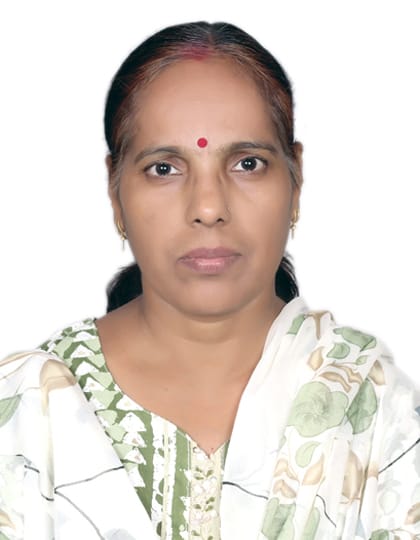
  • Rajani Mishra

    Department of Library and Information Science, Banaras Hndu University

    Rajani Mishra is an Associate Professor with expertise in Knowledge Organization, Information Retrieval, and Information Services. She holds an M.Sc., an M.Lib. & Inf.Sc., and a Ph.D.