Papers: AI Part 2
- Long title
- Papers: AI Part 2
- Starts at
- Thu, Oct 23, 2025, 14:30 GMT+2
- Finishes at
- Thu, Oct 23, 2025, 16:30 GMT+2
- Venue
- Aula Rubió (210)
- Moderator
- Gema Bueno de la Fuente
Moderator
-
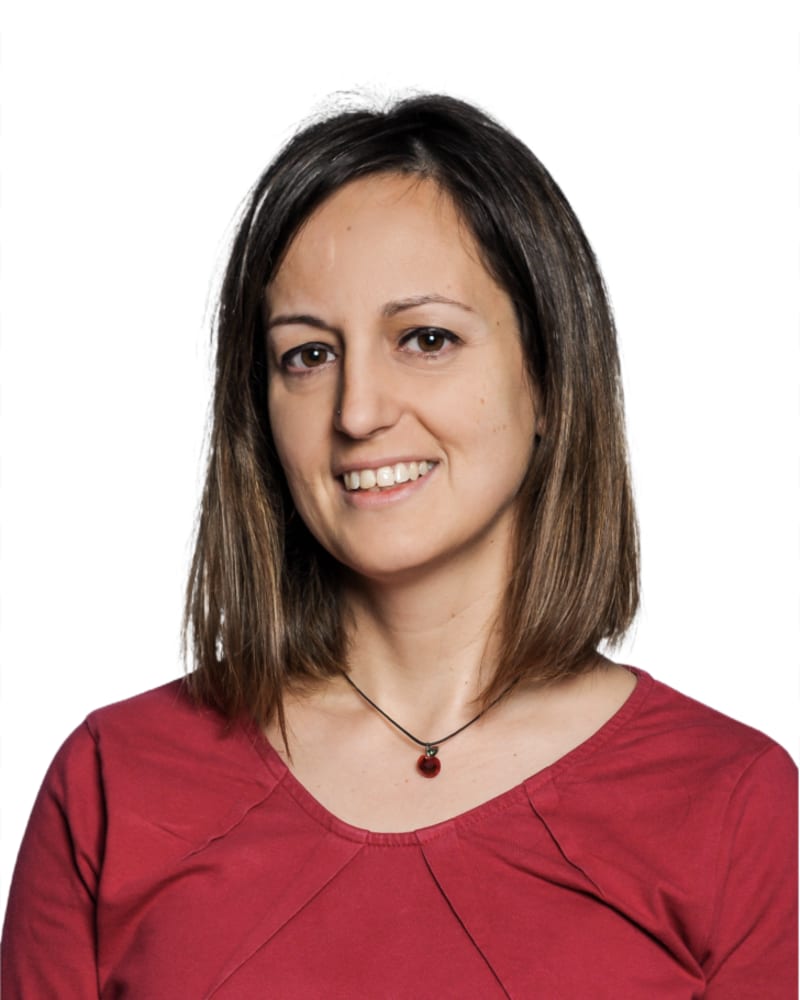
Gema Bueno de la Fuente
University of Zaragoza
Gema Bueno de la Fuente has a PhD. in Information Science (2010), a bachelor’s degree in Information Science from the Carlos III University of Madrid (2003) with National Award, and a bachelor’s degree in Library and Information Science from the University of Zaragoza (2001). Currently, she is Hired Lecturer at the Dept. of Documentation Sciences and History of Science at the University of Zaragoza. She has teaching and research experience since 2005. Her interests include Open Science, Digital libraries, Metadata, Knowledge Organization and Linked Open Data.

Presentations
Assessing the Effectiveness of LLMs (Large Language Models) for Extracting Topics and Themes in Survey Responses
Authors: Ying-Hsang Liu, Xin Yang, Junzhi Jia
-
Ying-Hsang Liu
Chemnitz University of Technology
Ying-Hsang Liu is a researcher at Chemnitz University of Technology (Germany) in Predictive Analytics. With a Ph.D. in Information Science (Rutgers University, USA), he has held academic positions across five countries. His research focuses on human-centered data science, information retrieval, and AI-based systems, supported by grants from the ARC, ARDC, and Airbus. Dr. Liu has authored 65 peer-reviewed publications and two books, serves on ASIS&T and ALISE committees, and is a Distinguished Member of ASIS&T 2022.
HerStory-NeSyAI: Designing inclusive metadata architectures with hybrid AI for epistemic justice in silenced narratives
Authors: Núria Ferran-Ferrer, Miquel Centelles
-
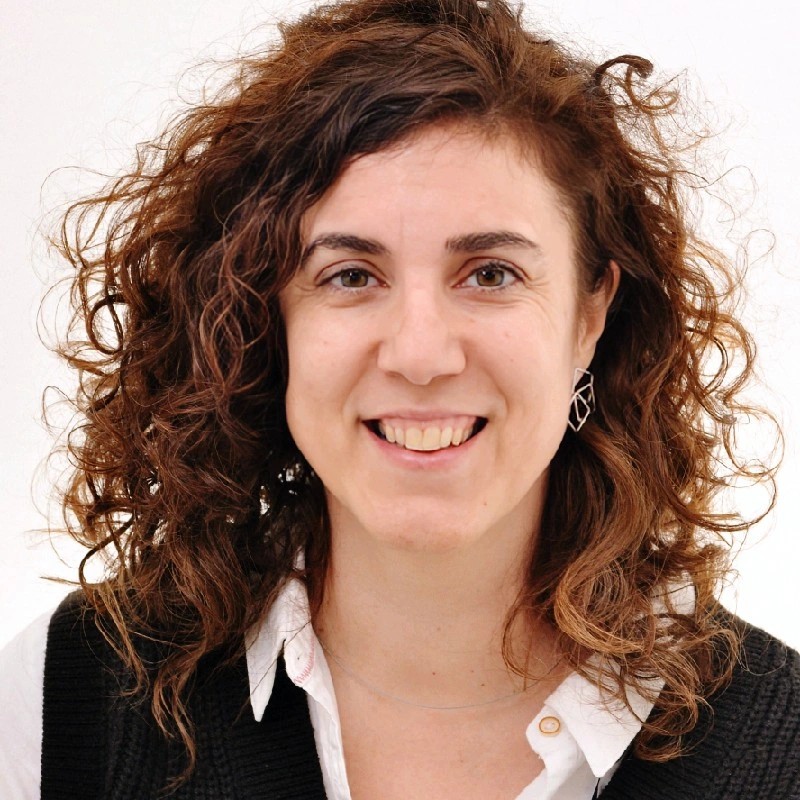
Núria Ferran-Ferrer
Faculty of Information and Audiovisual Media, Universitat de Barcelona (UB)
Núria, Associate Professor at FIMA (UB), serves as Delegate for the rector on Equality and Director of the PhD Program in Information and Communication. She leads research projects like HerStory and Women and Wikipedia, funded by Spain’s Ministry of Science and Wikimedia Foundation. Her research primarily explores the integration of a gender perspective in the field of LIS, addressing areas such as knowledge organization systems (KOS), innovative teaching methodologies, and broader research within the discipline. Núria was a visiting at Sheffield University (2009) and Tallin University (2015). -
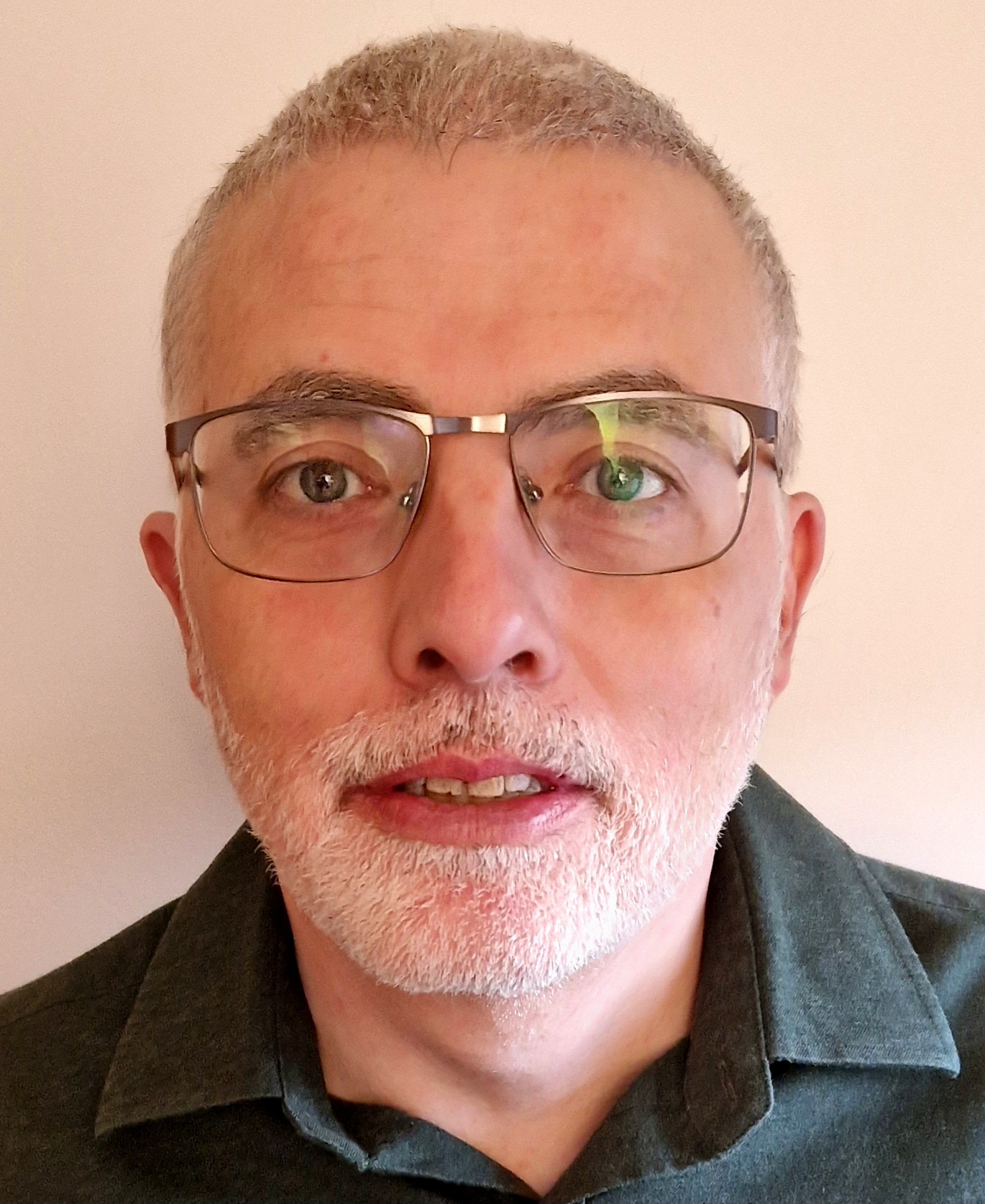
Miquel Centelles
Universitat de Barcelona, Faculty of Information and Audiovisual Media
Miquel Centelles is a professor at the University of Barcelona, specializing in Knowledge Organization, Metadata, and Semantic Web Technologies. He holds degrees in Philology, Library and Information Science, and a PhD on legal thesauri. He coordinates the Master's in Digital Humanities and does research on information retrieval, digital preservation, and accessibility. His current work explores knowledge graphs to enhance generative AI in the project “HerStory: Connecting women’s history to Neuro-Symbolic AI”, funded by the Spanish Ministry of Science.
Assessing Large Language Models: Architectural Archive Metadata and Transcription
Authors: Hannah Moutran, Devon Murphy, Karina Sanchez, Willem Borkgren, Katie Pierce Meyer and Josh Conrad
-

Devon Murphy
University of Texas at Austin Libraries
Devon Murphy (they/them) currently works as the Metadata Analyst at the University of Texas at Austin. In this role, Murphy oversees standards for the libraries’ archival and bibliographic materials. They received dual masters degrees in Art History and Information Science at the University of North Carolina at Chapel Hill (2019). Their previous work includes the Best Practices for Queer Metadata and the Metadata Best Practices for Trans and Gender Diverse Resources. Murphy also serves as a member of the Visual Resources Association’s (VRA) Equitable Action Committee.
Creativity and Authorship in the Age of Artificial Intelligence: A Metadata Perspective.
Authors: Lala Hajibayova
-
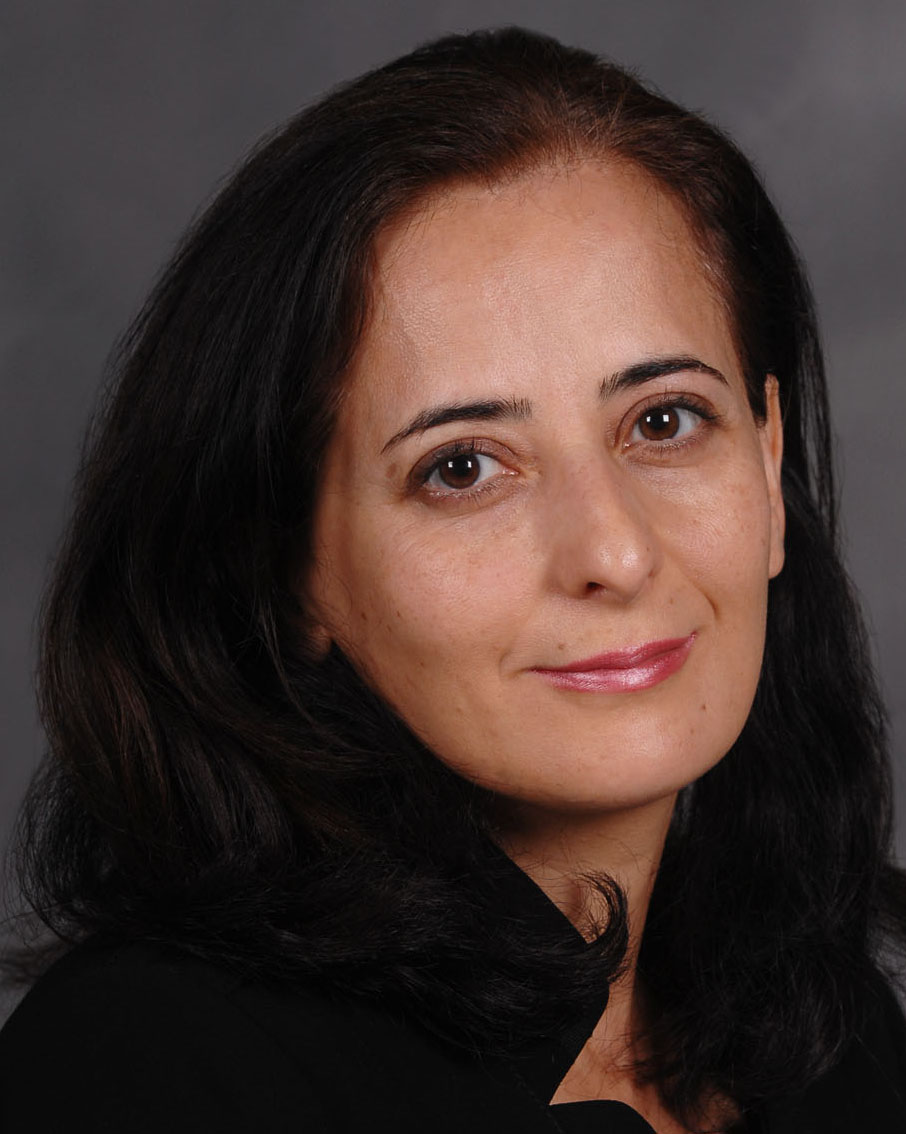
Lala Hajibayova
Kent State University
Lala Hajibayova is an associate professor in the Kent State University School of Information. She received her Ph.D. in Information Science from Indiana University Bloomington. Hajibayova’s research examines interplay between individuals’ contextualized experiences, patterns and behaviors of engaging with systems and the potential of individuals’ collective actions to enrich systems of representation, organization and discovery.
Enhancing Discovery with AI: Volume Extraction and Summary Statements for Holdings Metadata
Authors: Myung-Ja K. Han, Owen Monroe
-
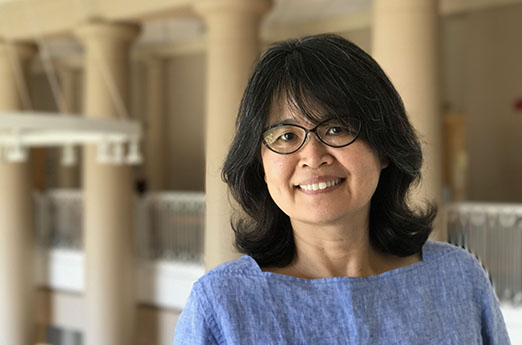
Myung-Ja (MJ) K. Han
University of Illinois Urbana-Champaign
Myung-Ja (MJ) K. Han is a Professor and Metadata Librarian at the University of Illinois Urbana-Champaign. Her research interests include metadata interoperability, information management, and the application of information technologies in libraries. She has served as Co-PI on research projects exploring the benefits for users of linked open data for digitized special collections and Emblematica Online. She is also the co-author of two textbooks on XML. MJ currently serves as Chair of the Program for Cooperative Cataloging (PCC). -
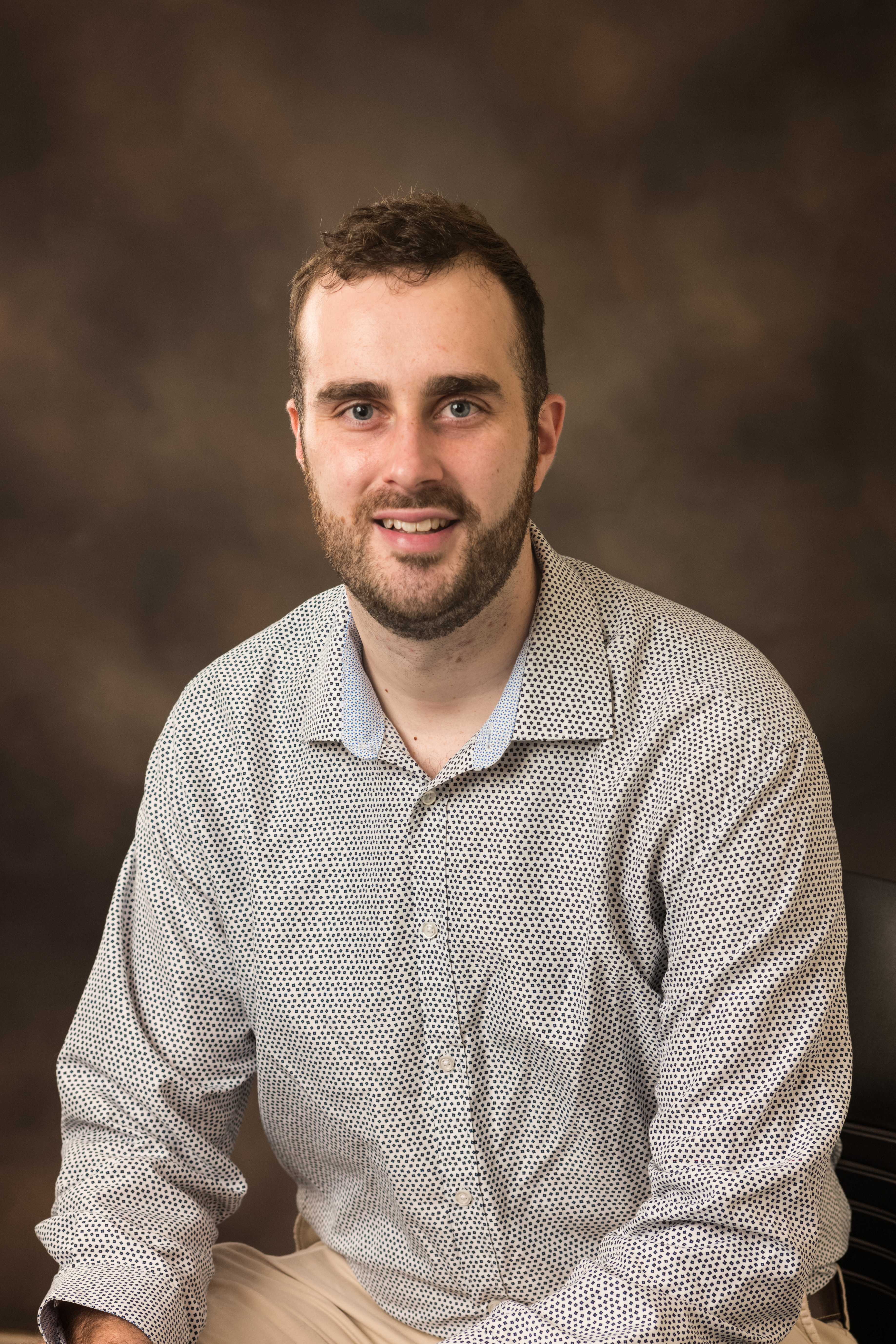
Owen Monroe
University of Illinois Urbana-Champaign
Owen Monroe is a doctoral student at the University of Illinois Urbana-Champaign School of Information Sciences. He studies digital humanities and is interested in using digital methods to study historical literary and information systems. He is also interested in how digital libraries, coding techniques like text mining, and Large Language Models can facilitate research and present data-rich archival materials. He aims to research how digital humanities ideas and skills can be taught and how digital projects can be sustainable and accessible.