Papers: AI Part 1
- Long title
- Papers: AI Part 1
- Starts at
- Thu, Oct 23, 2025, 11:00 GMT+2
- Finishes at
- Thu, Oct 23, 2025, 13:00 GMT+2
- Venue
- Aula Rubió (210)
- Moderator
- Eva Méndez
Moderator
-
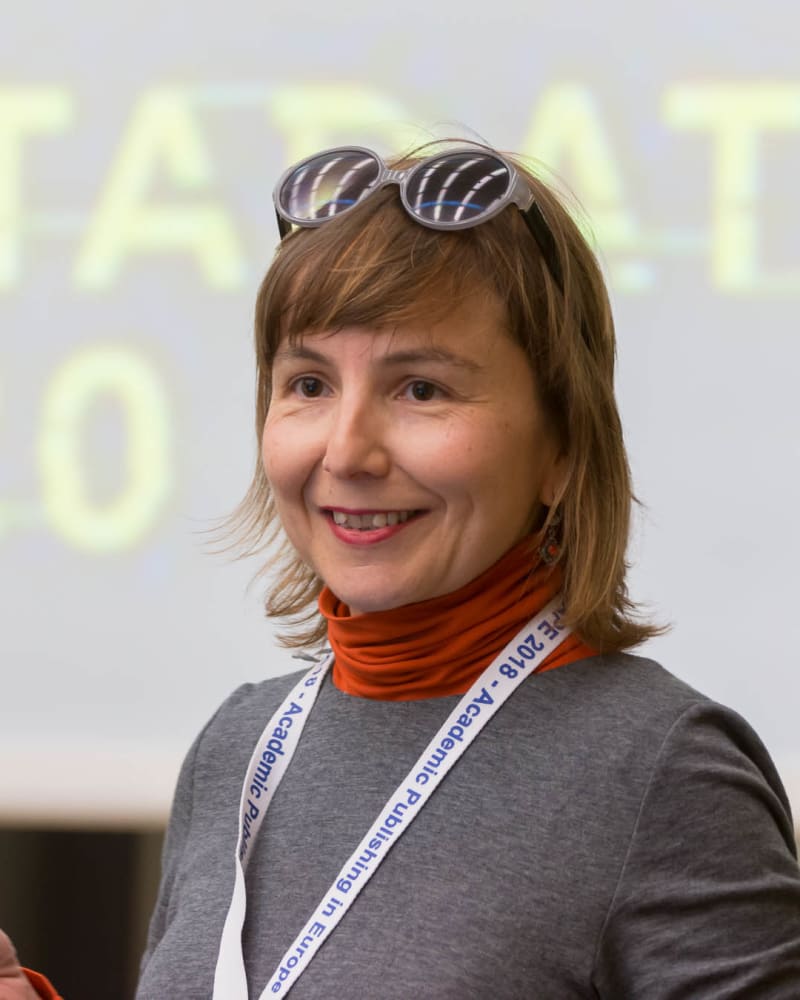
Eva Méndez
Universidad Carlos III de Madrid. LIS department
Eva Méndez is a PhD in Library and Information Science and Associate Professor at Universidad Carlos III de Madrid, where she leads the OpenScienceLab research group. A specialist in metadata, her work focuses on Open Science, FAIR principles, and Open Data. Former Chair of the EC’s Open Science Policy Platform and CoARA Steering Board member, she advocates for a more inclusive and transparent research ecosystem.

Presentations
Streamlining Metadata Creation: Implementing and Assessing AI Workflows to Improve Discoverability
Authors: James Mason, Kyla Jemison
-
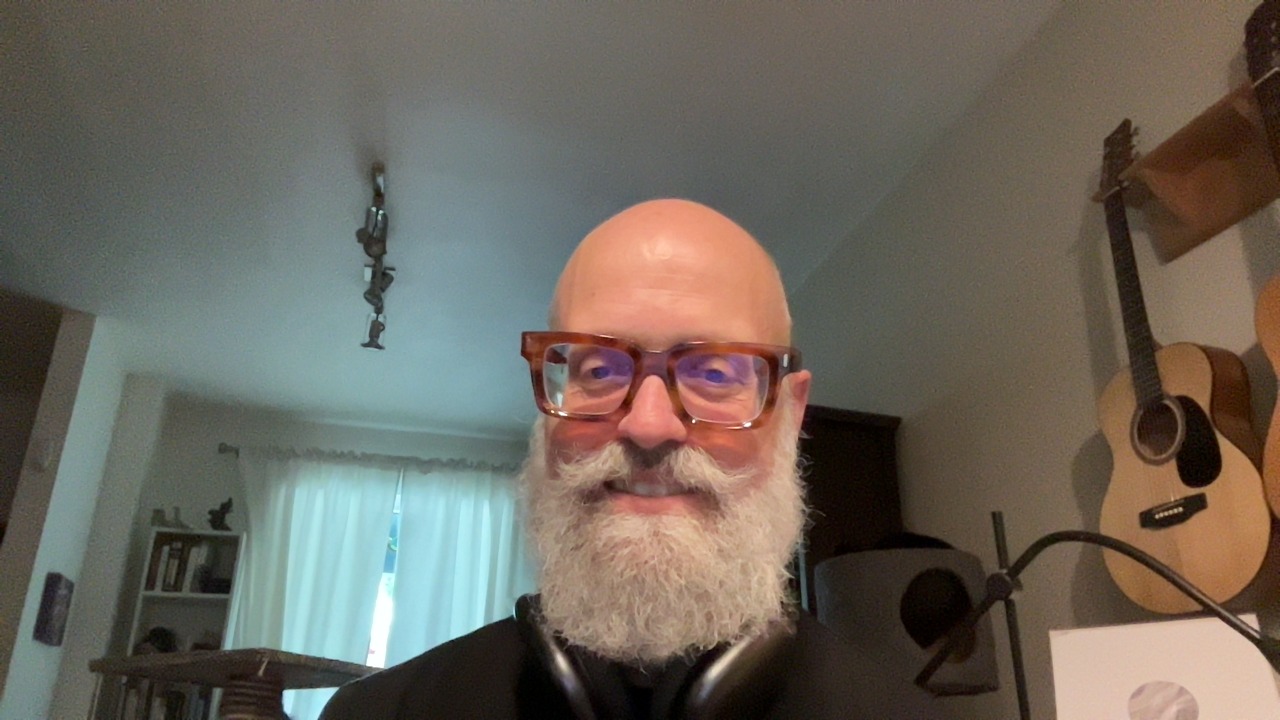
James Mason
University of Toronto
James Mason is the Metadata and Digital Initiatives Librarian at the University of Toronto. He is currently focused on research at the intersection of art and technology, with a particular interest in how libraries can support technology-driven research. His current interests also include metadata workflows and data analysis. -
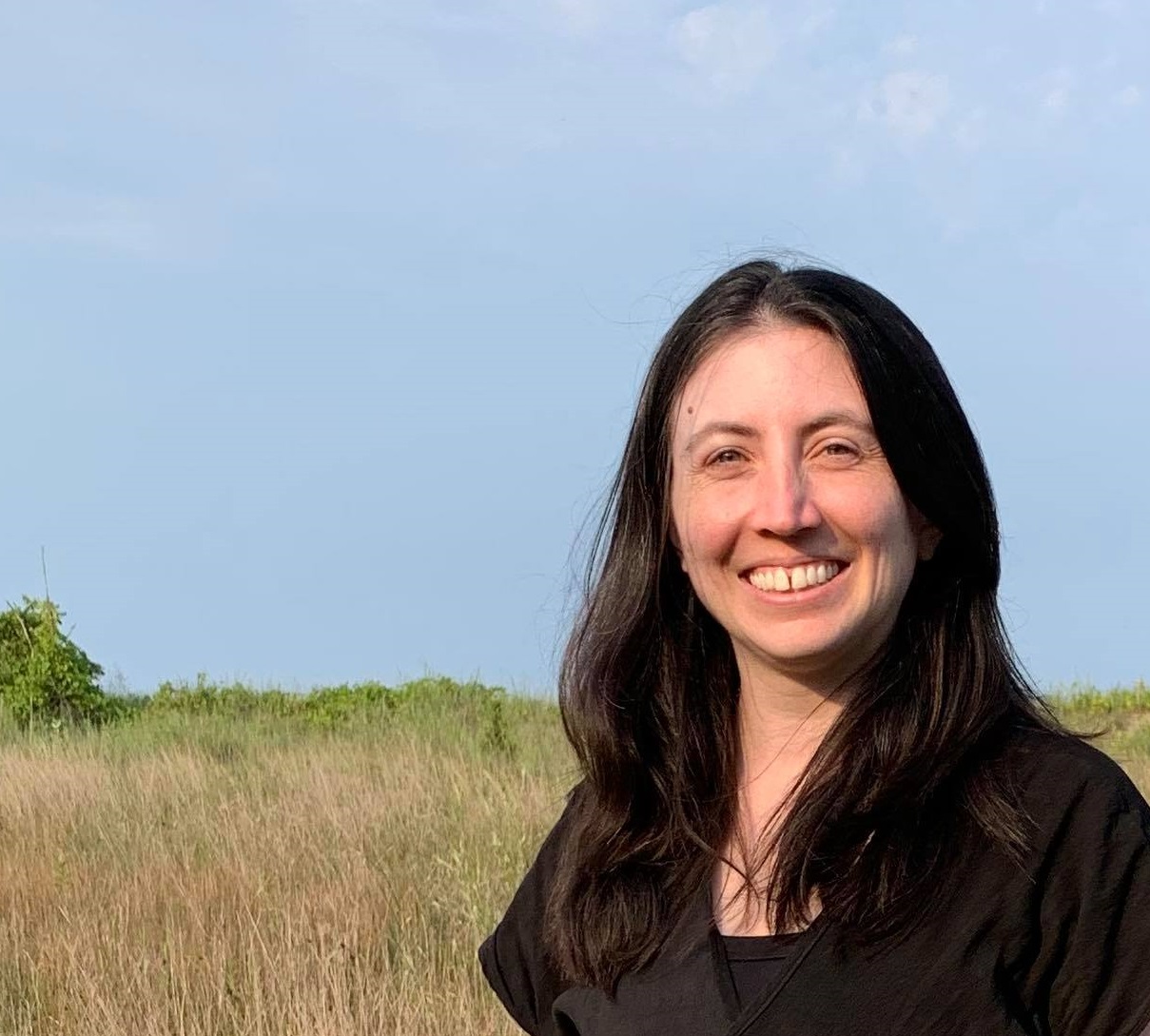
Kyla Jemison
University of Toronto
Kyla Jemison, University of Toronto Kyla Jemison is a Metadata Librarian at the University of Toronto Libraries, working with special formats (music, movies, maps, microfilm, etc.). She is interested in exploring linked data in libraries and how metadata affects discovery.
Bibliographic (Meta)Data vs Bibliographic Information: Using Computational Tools and AI to Datafy and Analyze Information from Library Bibliographic Records
Authors: Linde M. Brocato
-
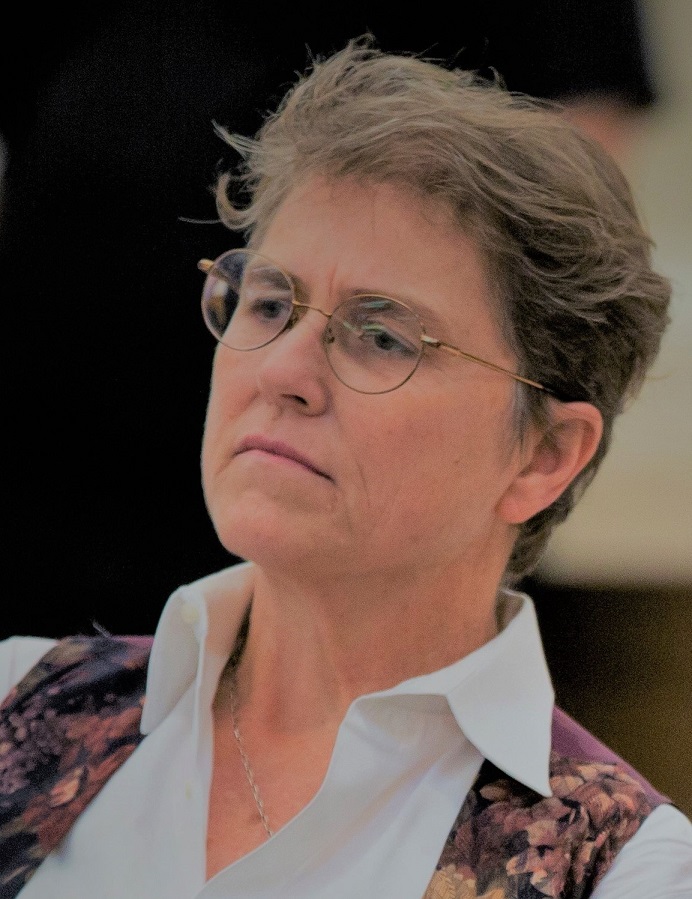
Linde M. Brocato
University of Arkansas
Linde M. Brocato is a metadata librarian at the University of Arkansas, Fayetteville, and an experienced rare book cataloger and book historian (14th-16th century). She is also an active medievalist in Spanish. Raised in Birmingham, Alabama, Brocato has a BA in History from Birmingham-Southern College, an MA in Spanish from the University of Alabama, and a PhD in Comparative Literature (medieval studies) from Emory University, in addition to an MLIS from the University of Illinois, Urbana-Champaign. Her profile and work can be found at https://uark.academia.edu/LindeBrocato.
Metadata and Vocabulary for Knowledge Representation Learning
Authors: Paola Di Maio, Jian Qin
-
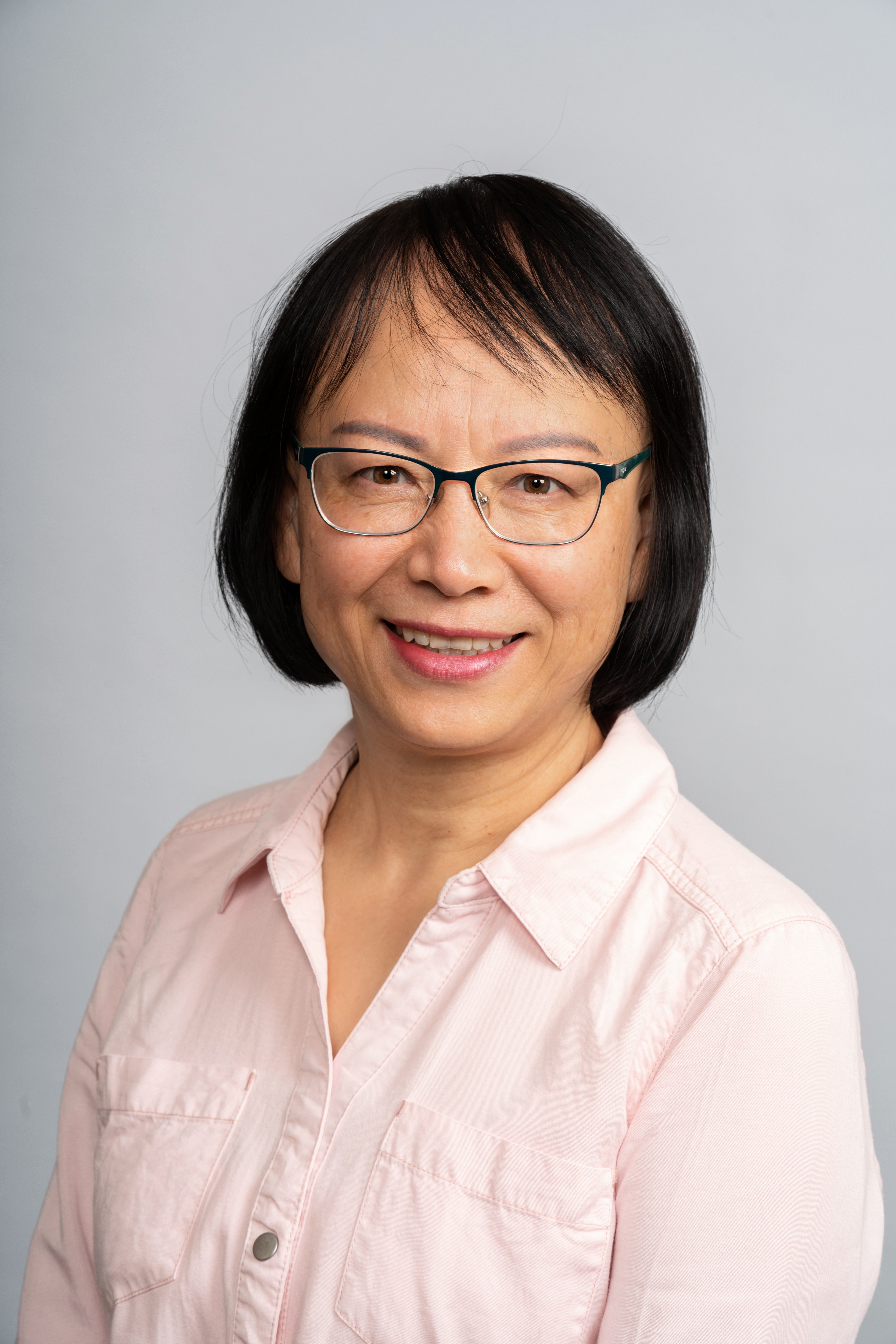
Jian Qin
Syracuse University
Jian Qin is Professor of the iSchool at Syracuse University and currently serves as the Director for Dublin Core Academy. She conducts research in metadata, knowledge organization and representation, data and knowledge modeling, ontologies, research collaboration networks, research impact assessment, and data curation. Her research has received funding from U.S. National Science Foundation, U.S. National Institutes for Health, and U.S. Institute for Museum and Library Services. She was the recipient of the 2020 Frederick G. Kilgour Award for Research in Library and Information Technology.
Large Language Model–Driven Construction of a Spatial-Narrative Knowledge Graph for Beijing’s Central Axis
Authors: Kunhao Zhu, Chunqiu Li, Shiyan Ou
-

Wirapong Chansanam
Khon Kaen University
Wirapong Chansanam is an experienced associate professor with a demonstrated history of working in information science. He earned his Ph.D. in the Department of Information Science, Faculty of Humanities and Social Sciences, Khon Kaen University, Thailand, in 2014. He is the head of the Information Science Department and chair of the Digital Humanities Research Group at Khon Kaen University. His research interests include information sciences, ontology, knowledge organization systems, and linked open data. He can be contacted via email: [email protected].