Panel : Schema and Value Vocabularies for Consistency
- Long title
- Using Schema and Value Vocabularies to Provide Consistency Across Structured Content
- Starts at
- Thu, Oct 23, 2025, 14:30 GMT+2
- Finishes at
- Thu, Oct 23, 2025, 16:30 GMT+2
- Venue
- Auditorium
- Moderator
- Lief Erickson
Moderator
-

Lief Erickson
Intuitive Stack
Lief is co-founder of Intuitive Stack, a content strategy consultancy for businesses with outdated technical documentation practices. He holds a master’s degree in Content Strategy from FH Joanneum (Austria), where he also teaches information architecture. With expertise in metadata, search optimization, and ContentOps, Lief has held roles as a technical writer and information architect. At Intuitive Stack, he helps organizations modernize their content strategy so they can focus on their next innovation.

Using Schema and Value Vocabularies to Provide Consistency Across Structured Content
Application profiles provide a framework for structuring information related to a particular application. These can include two types of vocabularies – schema and value vocabularies. Schema vocabularies specify the properties and attributes related to the application, while value vocabularies specify the valid instances for those properties and attributes.
Schema vocabularies can point to existing schemas such as SKOS (Simple Knowledge organization Scheme), RDFS (RDF Schema), Dublin Core, FOAF (Friend of a Friend), Schema.org, etc. They can also be specialized to add combinations of properties and attributes from multiple existing schemas or localized to add custom properties and attributes. Schema vocabularies are crucial for interoperability of applications when querying federated resources, aggregating disparate resources into a common resource such as a data warehouse or data lakehouse, or conducting transactions with an external application.
Value vocabularies can be simple controlled vocabularies, or taxonomies, ontologies, or other types of terminologies. Value vocabularies are crucial for consistency, discoverability, and reusability. Whether tagging, filtering, or defining relationships between concepts, value vocabularies bring clarity and reduce ambiguity.
This panel will discuss the interplay between schema vocabularies that structure content with value vocabularies that provide consistency across structured content, and particularly how automation can optimize the linked data ecosystem. Panelists will provide a 5-minute overview of their background and interest in schema and value vocabularies, then the panel will discuss the following questions:
• Why do application profiles primarily focus on schema vocabularies and not on value vocabularies?
• What are the greatest challenges in getting agreement on what value vocabularies to include in an application profile?
• Are domain use cases sufficiently specified in application profiles?
• What are the technical challenges and solutions in structuring content to comply with application profiles like DITA (Darwin Information Typing Architecture), DCAT (Data Catalog Vocabulary), and iiRDS (intelligent information Request and Delivery Standard)?
• What are the differences and similarities between Dublin Core applications profiles, iiRDS, and DITA?
-

Joseph Busch
Taxonomy Strategies
Joseph Busch is the Senior Business Classification Consultant at the African Development Bank and Principal Consultant of Taxonomy Strategies. Taxonomy Strategies guides global companies, government agencies, international organizations, and NGO’s in developing metadata frameworks and taxonomy strategies to help information achieve its highest value. Previously, Mr. Busch held management positions at Interwoven, Metacode Technologies, the Getty Trust, PriceWaterhouse, and Hampshire College. He is a Past President of ASIS&T, and a past member of the DCMI Executive Committee. -
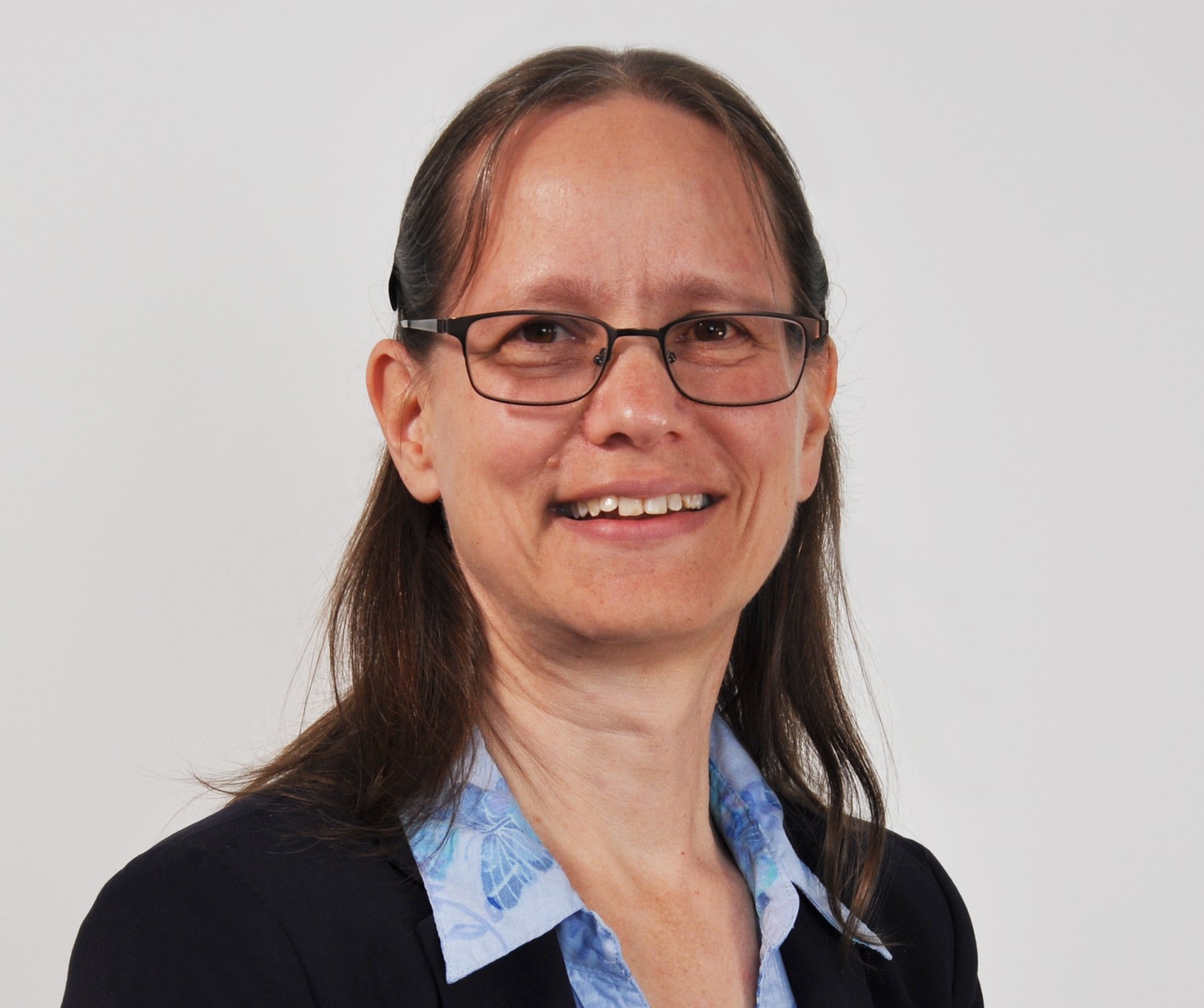
Heather Hedden
Hedden Information Management
Heather Hedden is a taxonomy consultant who has worked in information management for 30 years, initially with the library vendor Gale. She has also been employed as a taxonomist at companies including Cengage, Semantic Web Company, and Enterprise Knowledge. Currently she is improving the taxonomies for Northern Light, a competitive intelligence vendor. Heather taught taxonomy workshops through the continuing education program of Simmons University School of Library Science and continues to offer taxonomy training on her own. She is author of the book The Accidental Taxonomist. -

Lief Erickson
Intuitive Stack
Lief is co-founder of Intuitive Stack, a content strategy consultancy for businesses with outdated technical documentation practices. He holds a master’s degree in Content Strategy from FH Joanneum (Austria), where he also teaches information architecture. With expertise in metadata, search optimization, and ContentOps, Lief has held roles as a technical writer and information architect. At Intuitive Stack, he helps organizations modernize their content strategy so they can focus on their next innovation. -

Noz Urbina
Urbina Consulting SL
Noz Urbina is a globally recognised leader in the field of content strategy and user experience. He’s known as a pioneer in audience journey mapping and adaptive content modelling for delivering personalised, omnichannel experiences. He interviews industry leaders on the OmnichannelX and Truth Collapse podcasts and is co-author of the book “Content Strategy: Connecting the dots between business, brand, and benefits”. Past clients of his company Urbina Consulting include Pfizer, Moderna, Microsoft, IKEA, Eli Lilly, Mastercard, Barclays Bank, National Geographic Society, and many more. -

Peter Winstanley
Semantic Arts
Peter is an ontologist in the Semantic Arts team. He has a diverse background with experience in medical research, government, and in standards development. He was a contributor to the W3C “Data on the Web Best Practices” recommendation and an editor of the W3C “Data Catalog” vocabulary recommendation. A former interoperability specialist with the UK Government Linked Data and Data Architects’ Working Groups and the European Commission “Joinup” and SEMIC semantic technologies community, he is currently co-Chair of the W3C Dataset Exchange Working Group.
Hosted by

Supported by