Best Practices
- Starts at
- Sat, Oct 25, 2025, 09:00 GMT+2
- Finishes at
- Sat, Oct 25, 2025, 11:00 GMT+2
- Venue
- Auditorium
- Moderator
- Francisco Carlos Paletta
Moderator
-
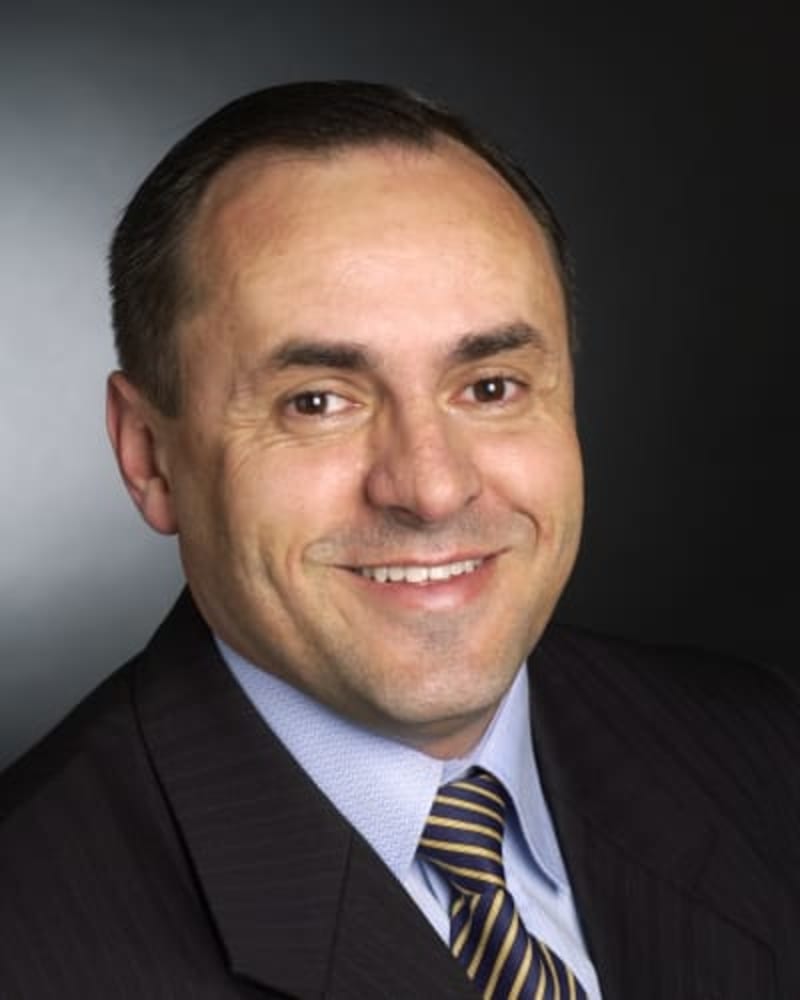
Francisco Carlos Paletta
University of São Paulo
Professor at School of Communication and Arts of University of São Paulo. His research interests include Digital Humanities, Information Technology Systems, Data Science and Analytics, Machine Learning, Information and Knowledge Organization, Linked Data, Metadata, Artificial intelligence, Web of Things, and Open Science.

Presentations
Business Classification Semantics and Metadata to Support Risk and Compliance Use Cases
The African Development Bank is a leader in documentation of development project activities, and of policies that promote the disclosure and access to project activities documentation. This paper discusses what a business classification scheme (BCS) is and how BCS semantics and metadata support risk and compliance use cases that are common to multilateral development organizations as well as other public and commercial organizations with public accountability. Best practices in the design of a BCS taxonomy with metadata inherited from each hierarchical level and methods for automating metadata population are briefly described.
-

Joseph Busch
Taxonomy Strategies
Joseph Busch is the Founder and Principal Analyst at Taxonomy Strategies. Taxonomy Strategies guides global companies, government agencies, and NGO’s in developing metadata frameworks and taxonomy strategies to help information achieve its highest value. Joseph is currently on a long-term assignment at the African Development Bank in Abidjan, Côte d’Ivoire where he is working on the implementation of a new document and records management platform. He is a Past President of ASIST, a past member of the DCMI Executive Committee, and currently a member of ISO-TC 46-SC 9-WG 8.
Automation of Subject Indexing (AutoSE) Using Methods From Artificial Intelligence at ZBW
At ZBW the efforts to automate the subject indexing process have started as early as 2000, and since 2014 the necessary applied research in the field of artificial intelligence is done in-house. However, the prototypical machine learning solutions that the researchers had developed until 2019 were yet to be integrated into productive operations at the library. Therefore in 2020 a pilot phase was initiated (planned to last until 2024) with the task to transfer those solutions into practice by building a suitable software architecture that allows for real-time subject indexing of economic literature resources with our trained machine learning models and the integration thereof into the other metadata workflows at ZBW. The AutoSE subject indexing service has been in productive operations since 2021 and is continually evolving, with the most current activities pertaining to the introduction of the next generation of language (transformer) models into the model portfolio.
-

Argie Kasprzik
ZBW Leibniz Information Centre for Economics
Argie has been coordinating the automation of subject indexing using methods from artificial intelligence at ZBW Leibniz Information Centre for Economics, Germany, since 2018. They have obtained a PhD in theoretical computer science and an additional qualification in the library domain and have previously worked for the Bavarian State Library and in research and development at TIB Leibniz Centre for Science and Technology. Their interests focus on semantic technologies, machine learning models, and how those two branches can be integrated sustainably for the purposes of knowledge organization.
How to build applications easily for Digital Humanities on top of SPARQL endpoints and a cloud of interlinked Knowledge Graphs: Lessons learned in using the Sampo model and Sampo-UI framework in practise
This talk reviews experiences in Finland and beyond on building a series of semantic portal applications in use, based on using a new declarative version of the Sampo-UI framework [1,2] and Sampo Model [3]. The key idea is to re-use a shared semantic web infrastructure [4] and existing user interface (UI) models for fast prototyping and development. In this model, the data service is completely separated from the UI and accessed only with SPARQL querying. It is also shown, how the Sampo model can be applied on top of a cloud of interlinked Knowledge Graphs to create a meta-sampo “SampoSampo” [5] based on other Sampo portals.
[1] Esko Ikkala, Eero Hyvönen, Heikki Rantala and Mikko Koho: Sampo-UI: A Full Stack JavaScript Framework for Developing Semantic Portal User Interfaces. Semantic Web – Interoperability, Usability, Applicability, vol. 13, no. 1, 2022.
https://doi.org/10.3233/SW-210428
[2] Heikki Rantala, Annastiina Ahola, Esko Ikkala and Eero Hyvönen: How to create easily a data analytic semantic portal on top of a SPARQL endpoint: introducing the configurable Sampo-UI framework. VOILA! 2023 Visualization and Interaction for Ontologies, Linked Data and Knowledge Graphs 2023, CEUR Workshop Proceedings, Vol. 3508, October, 2023.
https://ceur-ws.org/Vol-3508/paper3.pdf
[3] Eero Hyvönen: Digital Humanities on the Semantic Web: Sampo Model and Portal Series. Semantic Web – Interoperability, Usability, Applicability, vol. 14, no. 4, pp. 729-744, IOS Press, 2023.
https://ceur-ws.org/10.3233/SW-223034
[4] Eero Hyvönen: How to Create a National Cross-domain Ontology and Linked Data Infrastructure and Use It on the Semantic Web. Semantic Web - Interoperability, Usability, Applicability, vol. 15, no. 4, 2024.
https://doi.org/10.3233/SW-243468
[5] Eero Hyvönen, Annastiina Ahola, Petri Leskinen, Heikki Rantala and Jouni Tuominen: How to Create a Portal for Digital Humanities Research Using a Linked Open Data Cloud of Cultural Heritage Knowledge Graphs: Case SampoSampo. Proceedings: SemDH 2025 Second International Workshop of Semantic Digital Humanities, co-located with ESWC 2025, Portoroz, Slovenia, CEUR Workshop Proceedings, 2025. Forth-coming.
https://seco.cs.aalto.fi/publications/2025/hyvonen-et-al-samposampo-semdh-2025.pdf
-
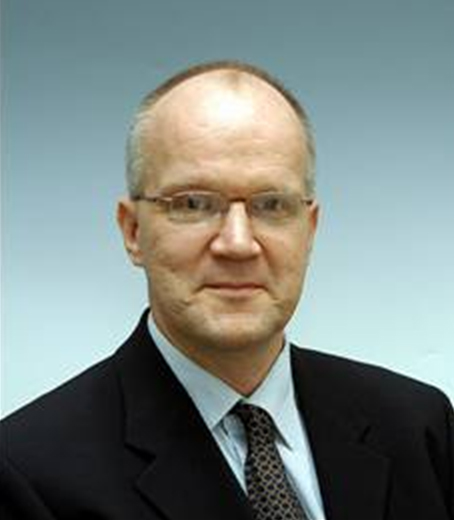
Eero Hyvönen
Aalto University and Univeristy of Helsinki
Eero Hyvönen (https://seco.cs.aalto.fi/u/eahyvone/) is professor (emer.) at the Aalto University, Department of Computer Science, and director of Helsinki Centre for Digital Humanities (HELDIG) (emer.) at the University of Helsinki. His research has focused since 2001 on Semantic Web and Linked (Open) Data technologies, developing the national semantic web infrastructure in Finland and its in-use applications especially in Cultural Heritage and for Digital Humanities research (https://seco.cs.aalto.fi/applications/sampo/). Eero Hyvönen has published nearly 600 articles and books.
Metadata as a Mediation Framework: MARC21, OAI-PMH, XSLT and DUBLIN CORE streams at BBM Digital
This paper examines the Brasiliana Guita Library e José Mindlin's (BBM) experience with metadata flow structuring as a component of its digital curation policy. From the integration between the ALEPH/DEDALUS and DSpace systems, via MARC21, Dublin Core Qualified, OAI-PMH, and XSLT, it is discussed how metadata started to act as a technical and cognitive infrastructure for the preservation and access to information. This study is characterized as a descriptive research, based on the documentary analysis of the metadata management processes at BBM Digital The text presents the theoretical foundations of metadata mediation, BBM's internal operational flows and the perspectives of evolution, with emphasis on the FAIR principles and the possibilities of Linked Data as future ways to expand interoperability, the visibility and democratization of access to bibliographic and cultural heritage.
-
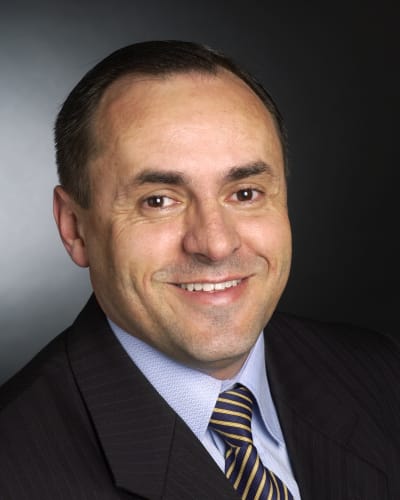
Francisco Carlos Paletta
University of São Paulo
Professor at School of Communication and Arts of University of São Paulo. His research interests include Digital Humanities, Information Technology Systems, Data Science and Analytics, Machine Learning, Information and Knowledge Organization, Linked Data, Metadata, Artificial intelligence, Web of Things, and Open Science. -

Rodrigo Moreira Garcia
Universidade de São Paulo
PhD candidate in Information Science (ECA/USP), master's and bachelor's degrees from UNESP. Librarian at the Guita and José Mindlin Brasiliana Library (USP), member of the research groups Studies and Practices of Digital Preservation (IBICT), and the Observatory of the Job Market for Information Professionals in the Digital Age. Experience in digital libraries, curation, metadata, and project coordination.
Enhancing Global Agricultural Knowledge Sharing: Recent Advancements in FAO’s AGRIS
The Food and Agriculture Organization of the United Nations (FAO)’s AGRIS (the International System for Agricultural Science and Technology), has long served as a vital global hub for agricultural and related scientific knowledge. Recently, AGRIS has undergone a series of strategic enhancements aimed at improving data quality, user experience, multilingual access, and interoperability. This presentation will showcase the best practices adopted to strengthen AGRIS as an open-access, inclusive, and high-impact information system.
Key improvements include the implementation of a clustering feature to group duplicate bibliographic records, significantly streamlining search results and reducing redundancy. AGRIS has also achieved Digital Public Good (DPG) certification by the Digital Public Goods Alliance, recognizing its commitment to open standards and universal access.
To support greater discoverability, a new mechanism has been introduced to better identify records with available full-text resources. The system now offers access to over 15.5 million records in 121 languages, reinforcing AGRIS’s role as a truly multilingual knowledge platform. Additionally, the growing network of new data providers has enriched content diversity and expanded the geographical scope of contributions.
The presentation will outline the design and implementation strategies behind these advancements, highlighting the importance of collaboration, metadata harmonization, and inclusive design. It will also explore how AGRIS aligns with the FAIR data principles and supports global efforts toward more equitable and open knowledge dissemination as the leading global repository for agricultural research
-
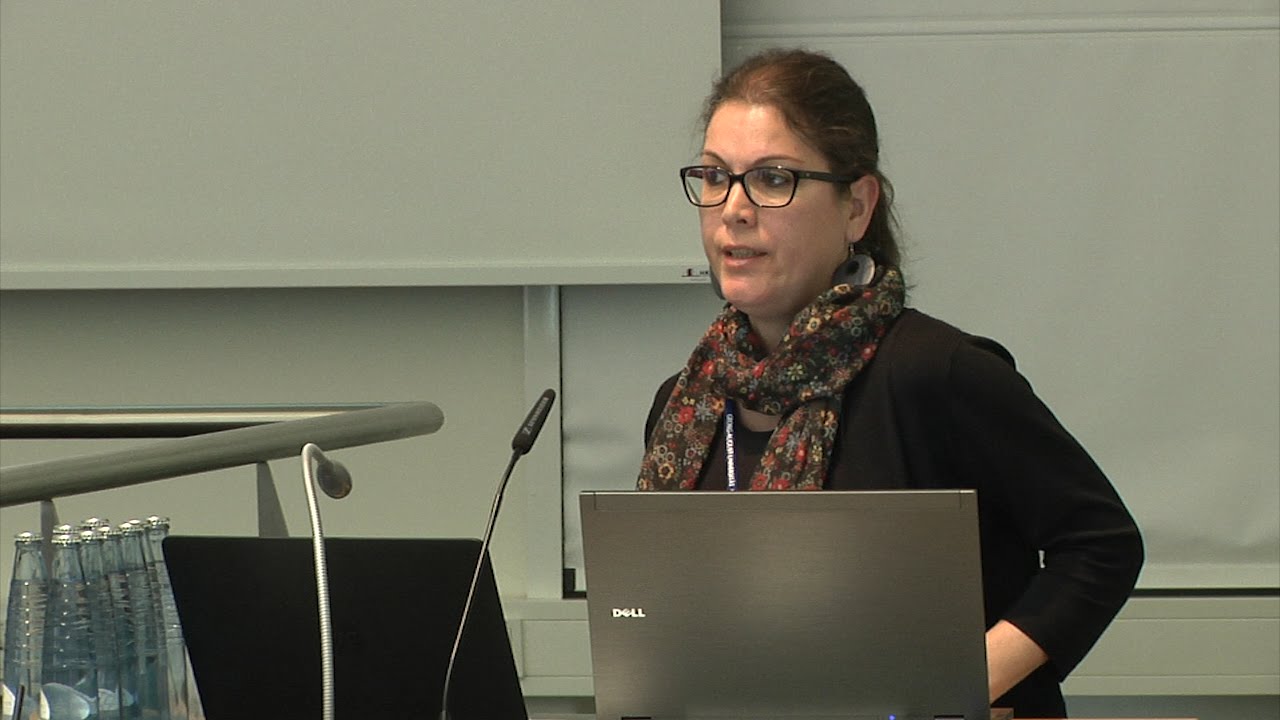
Imma Subirats-Coll
Food and Agriculture Organization of the United Nations
Imma Subirats is an Information Management Officer at the Food and Agriculture Organization of the United Nations (FAO). She currently manages three FAO programmes (a) the AGROVOC thesaurus, (b) the Agricultural Science and Technology International System (AGRIS) and (c) the Access to Global Agricultural Research Online (AGORA) with the aim of improving the accessibility and visibility of knowledge, information and data produced by FAO Members. Her areas of interest include library and information science, open science, research data, semantics, multilingualism, knowledge management.
Designing AI Ethics-Based Semantic Roadmaps for Sustainable Metadata Generation
AI-powered metadata generation is reshaping knowledge organization but raises critical ethical concerns. This workshop addresses the need for transparency, accountability, and social responsibility in AI-powered metadata practices. Participants will explore real-world risks, identify ethical gaps, and collaboratively develop semantic guidelines for sustainable metadata ecosystems. The proposed framework aims to support responsible AI adoption in linked data and bibliographic ontology contexts.
-
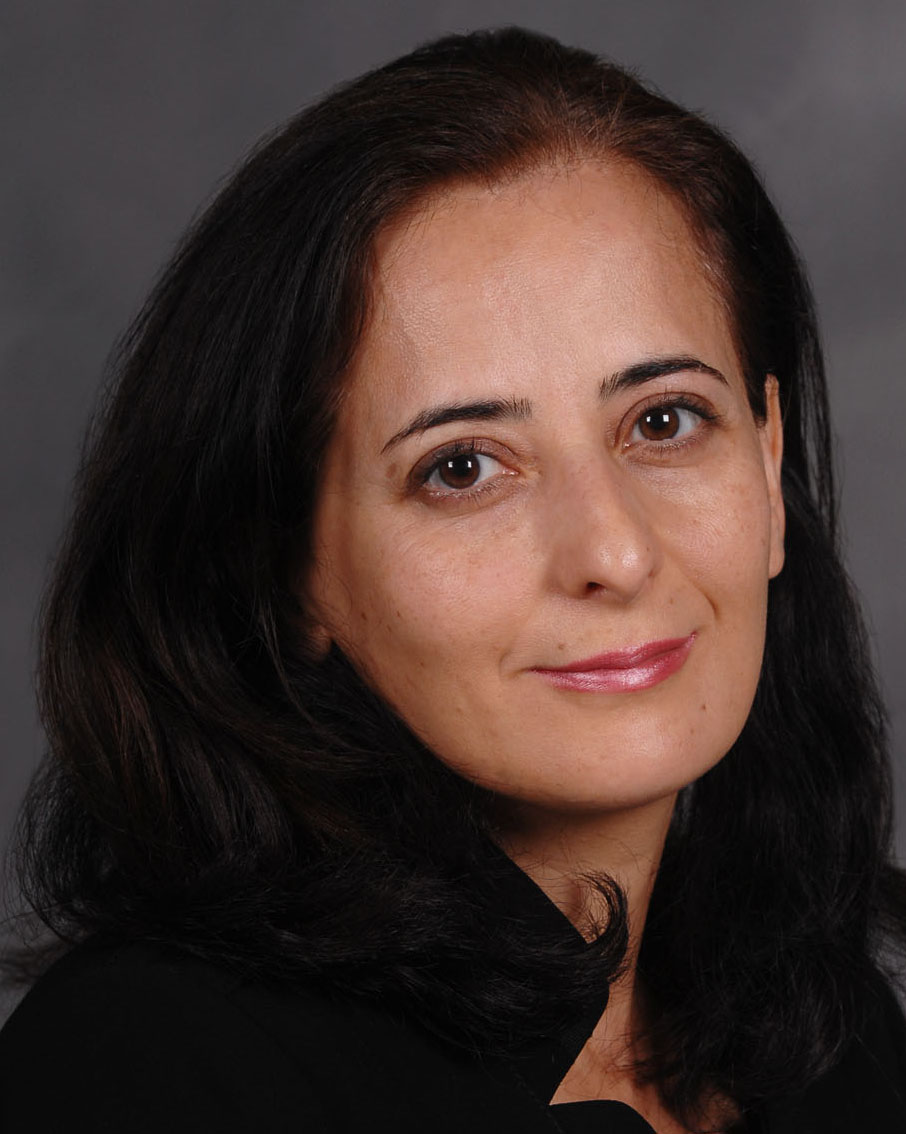
Dr. Lala Hajibayova
Kent State University
Lala Hajibayova is an associate professor in the Kent State University School of Information. Lala received her Ph.D. in Information Science from Indiana University Bloomington. Hajibayova’s research falls into a broad category of sociotechnical studies, information representation and organization, and scholarly communication. Her research has been published in leading peer-reviewed information science journals including Information Processing and Management, Scientometrics, and Journal of Association for Information Science and Technology.
Hosted by

Supported by